_1751965378790.webp)

What Defines Premium Bitter Melon Powder Quality?
Bitter Melon Powder is defined by the high content of bioactive substances, especially charantin, polypeptide-p, and momordicin, and strict production standards that make sure it is pure, effective, and safe. Advanced analytical testing methods, such as HPLC and UV spectrophotometry, are used to check the quality. GMP-certified production settings are also used to make sure that the quality of each batch is the same. The best powder comes from carefully chosen Momordica charantia sources, goes through full microbial and heavy metal testing, and has the best solubility properties that allow it to be easily added to medicinal, nutritional, and functional food formulas. These strict quality standards lower the risk of buying and help global markets follow the rules.
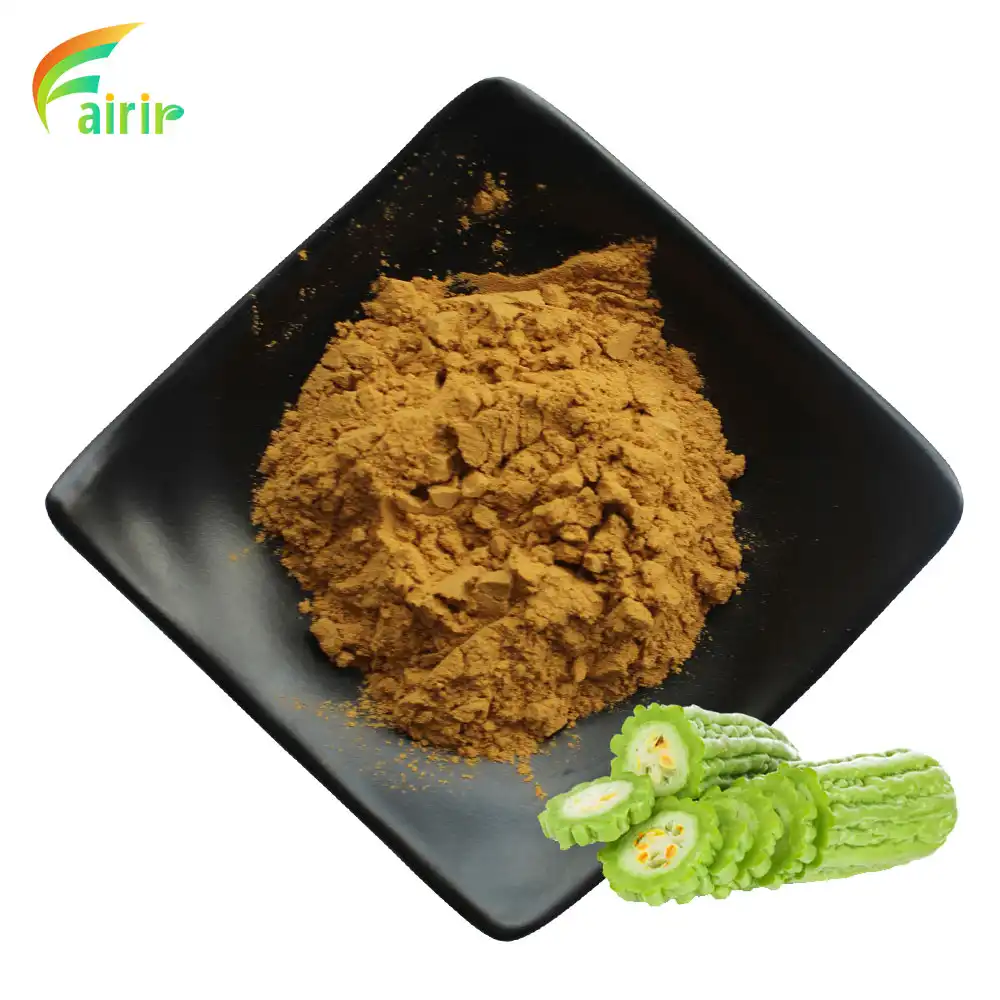
Understanding Bitter Melon Powder Quality: Key Dimensions
Botanical Source and Processing Methods
Momordica charantia is a tropical plant that is grown in Asia, Africa, and the Caribbean and is used to make Bitter Melon Powder. The manufacturing method has a big effect on the quality rating of the finished product. Spray drying quickly removes wetness while protecting bioactive chemicals that are sensitive to heat. Freeze drying, on the other hand, keeps the structure intact but costs more. Both ways make powders that are very concentrated, but their molecular profiles may be different depending on things like the temperature at the start, the rate of feed, and the length of time the powder is dried.
Essential Bioactive Compounds
Bitter Melon Powder is useful for health reasons because it contains many different phytochemicals. Charantin works as a diabetic by making it easier for cells to take in glucose. Polypeptide-p acts like insulin, Bitter Melon Powder, which helps keep biochemical processes in check. Momordicin has antioxidant qualities that help keep cell structures safe from reactive stress. Vicine and other cucurbitane triterpenoids give the fruit its characteristic bitter taste and may also help the defense system work better. Premium powders keep the same amounts of these substances in them, which is proven by analytical testing methods that make sure all production batches have the same biological activity.
Organic Versus Conventional Cultivation
Agricultural methods have a big effect on the quality of raw materials and the specs of products that come after them. Synthetic pesticides, herbicides, and chemical fertilizers are not allowed in organic farming. This means that the raw materials are cleaner and have lower amounts of waste. The USDA Organic and EU Organic certifications are third-party checks on growing methods and tools for keeping track of products. Conventional farming might be better for the economy, but it needs more tests to make sure it's safe. When setting seller qualification standards, procurement professionals have to weigh the costs of certification against the benefits of lowering risk.
Core Criteria to Evaluate Premium Bitter Melon Powder: Purity and Potency Verification
Advanced analytical instruments are used by premium sellers to measure the amounts of active ingredients. High-Performance Liquid Chromatography accurately separates and counts individual chemicals, creating fingerprints with lots of information that prove the identity of plants and their levels of strength. UV spectrophotometry is a quick way to check for total bioactive material. Standardized formulas make sure that every batch has the right amount of marker chemicals, so no variation could affect how well the end product works. Before signing buy agreements, procurement teams should ask for Certificates of Analysis that list these factors.
Source Traceability and Supply Chain Transparency
Different soil types, temperature trends, and farming methods can change phytochemical profiles depending on where the plant comes from. Southeast Asian suppliers often have large amounts of goods available, and Indian sellers may have special organic certificates. Transparent supply lines make it possible to track goods from the farm to the factory by keeping records of how they were handled, stored, and transported. This paperwork backs up the need for due diligence and makes it easier to respond quickly to quality concerns. When suppliers show complete tracking systems, it lowers the risk of buying something and makes it easier to follow the rules.
Laboratory Testing Protocols
Tough quality control programs include many testing steps throughout the production process. Microbial screening looks for infection with bacteria, yeast, and mold that could make a product less safe. Heavy metal research finds possibly harmful elements like arsenic, cadmium, mercury, and lead, making sure that the limits set by the pharmaceutical industry are met. Testing for pesticide residues makes sure that farming poisons stay below the limits set by regulators. Sensitive people are protected by allergen screening. These tests are done on every batch of goods made by high-end makers. This is proof that the products meet international safety standards.
Certification Frameworks
Good Manufacturing Practice approval shows that factories keep an eye on their workers, their tools, their supplies, and their processes. Standard operating procedures are followed in GMP-certified plants, equipment is calibrated regularly, environmental tracking systems are kept up to date, and all production activities are recorded. ISO 9001 approval proves that quality management systems help with efforts to keep getting better. Organic certificates show that farmers are following the rules. HACCP systems find and control risks to food safety. These frameworks give clear proof of Bitter Melon Powder's operational success, which procurement professionalscan check with databases from outside sources and facility audits.
Comparing Leading Bitter Melon Powder Brands and Suppliers
There are a number of well-known names in the Bitter Melon Powder market that cater to different types of customers. Himalaya puts a lot of emphasis on its Ayurvedic roots and keeps a lot of clinical paperwork to back up its product claims. Nature's Way focuses on using standardized plant products and clear labels. Organic India puts a high value on approved organic farming and long-term relationships with farmers. NOW Foods has low prices because they are efficient at making a lot of food at once. There are clear strengths and weaknesses between each provider when it comes to their certifications, production powers, and expert support. The way prices are set reflects the quality of the investment. For example, organic approved powders cost more because they have to pay more for farming and licensing. When you buy in bulk, the price per kilogram usually goes down, but buyers have to weigh the number savings against the cost of keeping inventory. Private label services let brands sell Bitter Melon Powder goods under their own names, and Original Equipment Manufacturer (OEM) programs help with making special formulations. When comparing seller offers, procurement managers should look at the total cost of ownership, which should include quality risk, supply stability, and the value of expert assistance.
Practical Uses and Applications in the B2B Procurement Context
Dietary Supplement Formulations
In products for managing glucose that are aimed at people with metabolic health, Bitter Melon Powder is one of the main ingredients. The usual daily dose is between 500 mg and 1000 mg, which can be taken in pills, tablets, or powder packs. When formulating tasty goods, formulators have to take into account the strong bitter taste and often use neutralizing agents or encapsulation technologies. The powder mixes easily with other plant-based ingredients that work in synergistic ways, like chromium complexes, cinnamon bark, and gymnema sylvestre. Quality standards must make sure that the drug is strong enough to have healing benefits and safe enough to be used for a long time.
Functional Food and Beverage Applications
Companies that make food use Bitter Melon Powder in health-focused products like protein drinks, meal replacement shakes, and functional snack bars. Micro-encapsulation technology lowers taste and protects bioactive chemicals, which lets more of them be included. The powder doesn't add many calories but does add fiber, vitamins, and minerals, which are good for you. Stability testing is done by formulators to make sure that working factors like heat, pH, and oxidative stress don't break down the active ingredients. Sensory panels help make flavor combinations that are both healthy and appealing to consumers.
Storage and Handling Best Practices
Controlling the surroundings and following the right handling procedures are needed to keep the standard of ingredients high throughout the supply chain. Bitter Melon Powder should be kept in cool, dry places that are out of direct sunlight and below 25°C with a relative humidity of less than 60%. Sealed packages stop moisture from getting in, which speeds up the breakdown process. By reducing oxidation processes, nitrogen blanketing makes food last longer on the shelf. First-in, first-out inventory movement makes sure that older stock is used up before it goes bad. To keep products from getting contaminated with each other, warehouses should have programs to get rid of pests and keep different types of products in separate areas.
How to Choose the Right Bitter Melon Powder Supplier: A Decision Support Framework
Aligning Procurement Needs with Quality Benchmarks
A good way to choose a provider is to start by making clear specifications that include the needs of the end product and the rules of the target market. For pharmaceutical uses, you need materials that are pharmacopeial-grade and have a lot of proof to back up claims of purity and effectiveness. Manufacturers of nutraceuticals require uniform specs that let label claims be made in a standard way. When used in food, safety and taste qualities are the most important things. To find possible sellers, procurement teams should write thorough specification documents that list the accepted ranges for active ingredients, contaminants, physical characteristics, and microbiological parameters. They should then use these documents to narrow down the list of candidates.
Supplier Evaluation Metrics
Objective rating tools make it possible to compare different sources in a structured way. Verification of certification shows that quality control systems meet common requirements. Sample testing makes sure that the materials provided fit what was said in the specifications and show the right stability profiles. Assessments of providers' production ability make sure they can meet current demand and plan for future growth. Delivery dependability checks how well things are done on time, how accurate the orders are, and how quickly Bitter Melon Powder people respond to messages. Reviews of financial health lower the risk of supply disruptions. Site checks let people see for themselves how things are made, how often the equipment is maintained, and how employees are trained. Scoring rubrics that put different weights on these factors based on business needs help people make decisions based on facts.
Negotiating Commercial Terms
Cost optimization, quality guarantee, and supply security must all be balanced in good talks. When talking about prices, people should think about how much the goods will cost to make, when they will be delivered, how much they will be paid for, and what quality standards they have. Lead time deals must take into account the needs of production plans while giving suppliers the freedom to control the supply of raw materials. Minimum order amounts affect how much it costs to store and buy goods. Long-term contracts often get better prices and make sure that suppliers can get their goods when the market is tight. After-sales support terms spell out how to get technical help, file a complaint, and get a new product.
Building Long-Term Partnerships
Strategic ties with suppliers offer more value than just buying things. Collaborative relationships allow people to work together to make new products, which helps meet growth goals. Clear lines of contact make it easier to solve problems quickly and implement programs for continuous growth. Regular reviews of a business compare its performance to set standards and look for ways to make it better. When two companies agree on a preferred source, they both commit to working together, which makes it worth investing in custom solutions, specialized production capacity, and better technical support. These connections lower the costs of buying things, make supplies more reliable, and speed up the time it takes to release new products.
Conclusion
The best Bitter Melon Powder is made by combining real botanicals, high-quality production, and careful analysis. To judge quality, you have to look at a lot of different factors, such as phytochemical profiles, processing methods, licensing systems, and the openness of the supply chain. When procurement professionals who set up structured processes for choosing suppliers put an emphasis on objective quality metrics and build strategic partnerships, their companies can find ingredients that meet regulatory requirements and help their products stand out and build their brands' reputation. Investing in quality verification yields tangible returns through reduced risk, enhanced efficacy, and sustainable competitive advantage within dynamic health and wellness markets.
FAQ
1. What distinguishes bitter melon powder from bitter melon extract?
Bitter Melon Powder is made from whole, dried fruits that have been ground up. The fiber, vitamins, and phytochemicals are still in the powder. Extracts go through solvent-based concentration processes that separate specific bioactive chemicals. This makes the extracts more powerful per gram, but it may also get rid of components that work together. Powders work well in situations that need to highlight whole foods and include fiber, while extracts allow for consistent dosing and smaller dose sizes in pill forms.
2. How can buyers verify the authenticity of bitter melon powder?
As part of the authentication process, you can ask for Certificates of Analysis that show HPLC fingerprints that prove the identity of the plant, look at microscopic features that show cellular structures that are unique to Momordica charantia, and have third-party testing done by independent laboratories. DNA barcoding is the only way to be sure of a species' identity. Comparing source paperwork to industry standards and doing regular checks builds trust in the authenticity of materials and their ability to meet specifications.
3. What safety considerations apply to bitter melon powder procurement?
When looking at safety ratings, you need to pay attention to the right dose levels, possible interactions with diabetes medicines, and warnings About using the drug during pregnancy. Good providers give out safety data sheets with studies on acute poisoning and the highest amount that should be taken each day. Testing for microbes and heavy metals makes sure that contaminants stay below the limits set by regulators. Allergen statements help people who are sensitive. Making these factors clear helps with responsible formulation practices and protecting consumers.
Partner with Fairir: Your Trusted Bitter Melon Powder Manufacturer
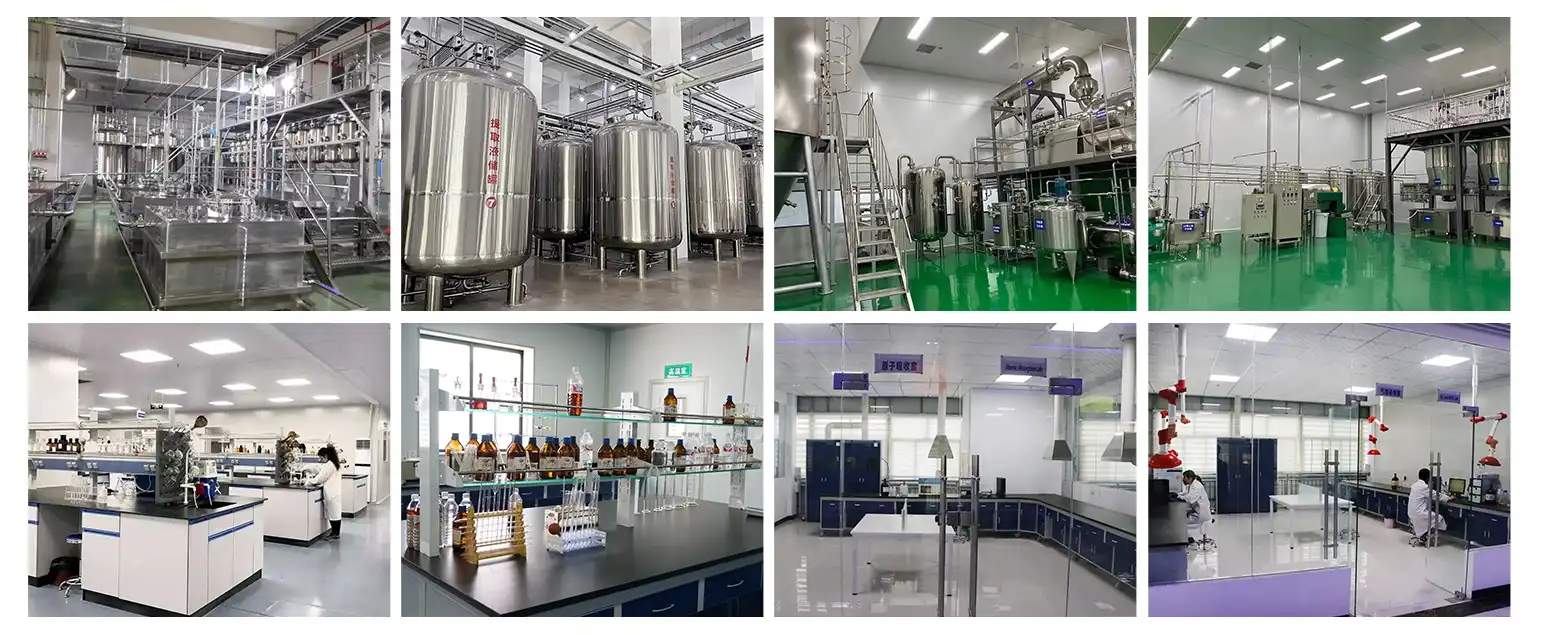
Shaanxi Fairir Biotech Co., Ltd. sells Bitter Melon Powder that is GMP-certified and is backed by accurate analysis and top-notch production. Our 10,000-square-meter building has 14 stainless steel extraction tanks, two fully automatic production lines that are 98% efficient, and a wide range of testing instruments, such as HPLC and UV spectrophotometers. Pharmaceutical companies, nutraceutical companies, and private label partners come to us when they need a reliable Bitter Melon Powder source that is dedicated to quality, openness, and quick technical support. Contact our team at sales@fairirbiotech.com to request product samples, review our complete certification portfolio, and discuss custom formulation requirements that align with your specific procurement objectives.
References
1. Grover JK, Yadav SP. "Pharmacological Actions and Potential Uses of Momordica charantia: A Review." Journal of Ethnopharmacology, 2004, 93(1): 123-132.
2. Tan MJ, Ye JM, Turner N, et al. "Antidiabetic Activities of Triterpenoids Isolated from Bitter Melon Associated with Activation of the AMPK Pathway." Chemistry & Biology, 2008, 15(3): 263-273.
3. Joseph B, Jini D. "Antidiabetic Effects of Momordica charantia (Bitter Melon) and its Medicinal Potency." Asian Pacific Journal of Tropical Disease, 2013, 3(2): 93-102.
4. Krawinkel MB, Keding GB. "Bitter Gourd (Momordica Charantia): A Dietary Approach to Hyperglycemia." Nutrition Reviews, 2006, 64(7): 331-337.
5. Alam S, Sarker MMR, Afrin S, et al. "Traditional Herbal Medicines, Bioactive Metabolites, and Plant Products Against COVID-19: Update on Clinical Trials and Mechanism of Actions." Frontiers in Pharmacology, 2021, 12: 671498.
6. Nerurkar PV, Lee YK, Motosue M, et al. "Momordica charantia (Bitter Melon) Reduces Plasma Apolipoprotein B-100 and Increases Hepatic Insulin Receptor Substrate and Phosphoinositide-3 Kinase Interactions." British Journal of Nutrition, 2010, 104(11): 1613-1620.