_1751965378790.webp)

Matcha Powder for Detox Smoothies: A Delicious Health Kick
One of nature's most powerful green superfoods, matcha powder, is useful in detox smoothies. This brilliant emerald powder from shade-grown Camellia sinensis leaves provides concentrated antioxidants, natural detoxifying chemicals, and prolonged energy for health-conscious smoothies. Matcha powder maximizes nutritional benefits and adds the umami flavor people desire in wellness beverages by consuming the entire leaf.
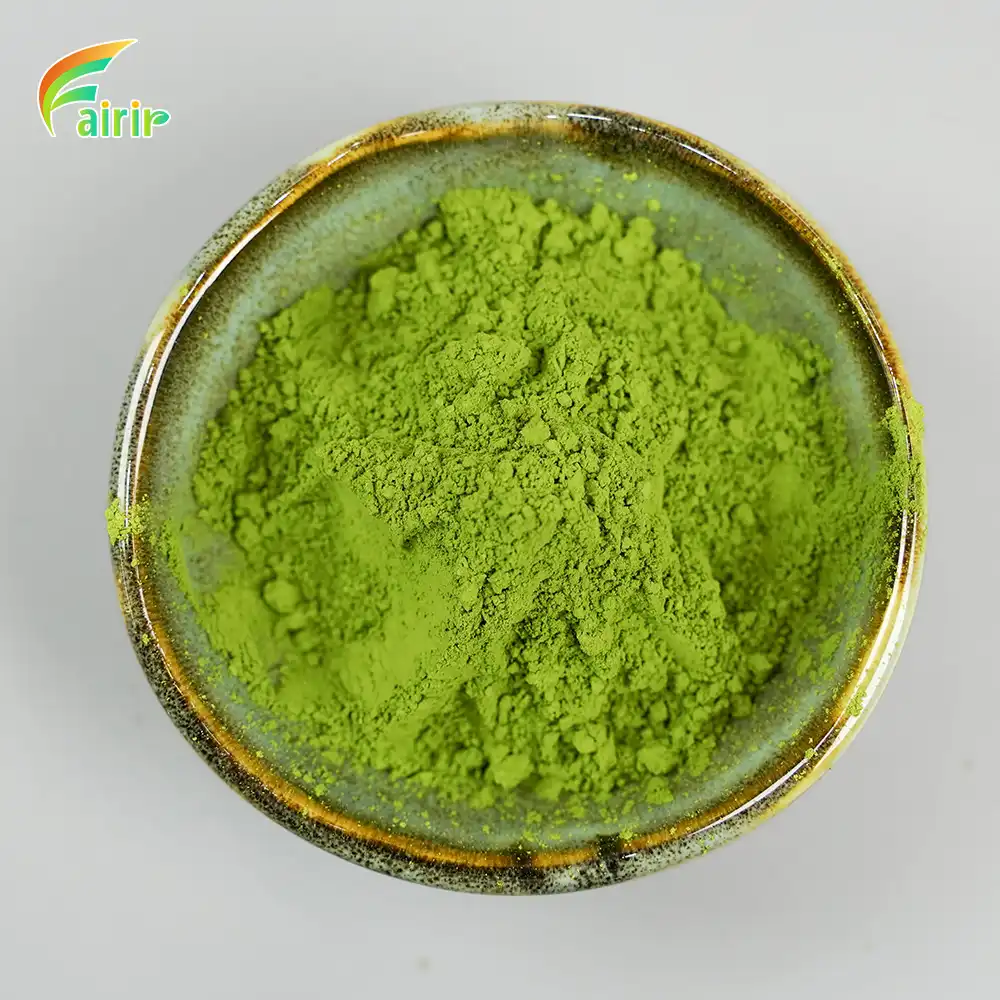
Understanding Matcha Powder: Basics and Benefits
Any successful detox smoothie starts with understanding what makes matcha powder special among botanical extracts. This jade powder represents generations of Japanese tea cultivation knowledge, where farmers use the "Oishita saibai" shady growth method, which involves covering the tea plants to enhance their growth, 20-30 days before harvest.
What Makes Matcha Different from Regular Green Tea?
Shadowing changes the chemical composition of tea as it takes off, expanding chlorophyll generation and L-theanine levels to over 18 mg per gram in premium grades. This development strategy gives matcha its sweet, umami-rich flavor. Steaming, air-drying, de-stemming, and stone-grinding the take-off into 5-20 micron particles optimizes bioavailability and suspension in fluid formulations.
Matcha has more useful components than brewed green tea due to its handling strategy. Normal green tea requires disposing of the tea bag after brewing, whereas matcha powder gives the full wholesome profile.
Nutritional Profile and Detoxification Properties
Matcha powder detoxifies due to its high antioxidant density, especially catechins like EGCG (10-18% by weight). These polyphenols aid liver function and cellular detoxification, making them useful for wellness-conscious formulations.
Key nutritional components include:
- Catechins and EGCG: Powerful antioxidants that neutralize free radicals and support cellular repair mechanisms
- Chlorophyll: A natural detoxifying agent that aids in eliminating heavy metals and environmental toxins
- L-Theanine: An amino acid that promotes calm alertness and balances caffeine effects
- Dietary Fiber: Supports digestive health and toxin elimination through regular bowel movements
The chlorophyll in matcha, which is increased by growing it in the shade, helps the body get rid of toxins by sticking to them. This makes matcha powder particularly valuable for detox smoothie formulations targeting health-conscious market segments.
Caffeine Content and Safety Considerations
With 25–35 mg of caffeine per serving, pure matcha powder provides continuous energy without the crash of synthetic caffeine. L-Theanine synergistically promotes calm focus over frenetic stimulation.
Keep moisture level below 5% to prevent oxidation and storage temperatures below 176°F (80°C) to preserve color vibrancy and nutritional integrity for commercial purposes. These characteristics are essential for product quality from manufacturing to consumption.
Selecting the Right Matcha Powder for Detox Smoothies
Product development teams must navigate various matcha grades and supplier credentials to ensure optimal formulation results and regulatory compliance. The selection process directly impacts final product quality, cost structure, and market positioning.
Ceremonial vs Culinary Grade Considerations
Ceremonial review matcha powder is the culmination of high-end smoothies due to its superior color maintenance, smoother surface, and refined flavor characteristics. This review suspends well in dairy and plant-based fluid frameworks due to its shining emerald tint and moo astringency.
Culinary review matcha powder is a cost-effective way to create nutritious matcha at scale. Although matcha is a utilitarian fix in fruit-forward smoothies, its more grounded flavor profile can improve them. Combining astringency with common desserts and velvety bases makes strides in flavor balance.
Manufacturing components, counting molecules, measuring dissemination influence, item feel, and bioavailability. Premium grades avoid fluid settling and have a smoother mouthfeel due to stricter molecule measure limitations.
Organic Certification and Quality Verification
Organic certification is vital for competitive market positioning due to consumer desire for clean-label products. Certified organic matcha powder meets health-conscious consumer desires and regulatory requirements in premium market segments by avoiding synthetic pesticides, herbicides, and fertilizers.
Third-party heavy metal, pesticide, and microbiological testing should be part of verification methods. Certificates of analysis from suppliers should show FDA and organic certification compliance. Color consistency (color values in the Lab color space), moisture content, and particle size dispersion across production batches are quality parameters.
Supplier Evaluation and Credentialing
Effective provider understandings include intensive fabricating, quality control, and administrative compliance assessments. GMP certification, expository testing, and generation capacity to fulfill requests are imperative evaluation criteria.
Requirements should include facility certifications, quality administration frameworks, and cultivation-to-packaging traceability records. Commercial applications require steady quality from HPLC, UV spectrophotometers, and other analytical instrument providers.
How to Use Matcha Powder Effectively in Detox Smoothies?
Optimal incorporation of matcha powder into smoothie formulations requires understanding its unique physical and chemical properties. Proper preparation techniques ensure maximum nutritional benefits while achieving desired sensory characteristics.
Preparation Techniques for Maximum Benefits
Legitimately processed matcha powder requires certain planning strategies to maximize scattering and anticipate settling. Conventional whisking strategies work for little amounts but require scale for commercial output.
High-shear blending or homogenization makes steady suspensions that maintain a strategic distance from color partition amid capacity in mechanical applications. Processors must oversee temperature to dodge debasing chlorophyll and losing the distinctive green tone buyers anticipate.
Pre-mixing matcha powder with small amounts of liquid before adding it to the main mixture prevents clumping and ensures even distribution. This strategy is valuable for protein powders and other added substances that may ruin scattering.
Innovative Recipe Development with Superfoods
Modern detox smoothie formulations benefit from combining matcha powder with complementary superfoods that enhance both nutritional value and market appeal. Strategic ingredient pairings can create synergistic effects that amplify the detoxification benefits while improving taste profiles.
Successful combinations include:
- Spirulina and Chlorella: Enhance the detoxification properties while adding protein content and creating visually appealing green coloration
- Coconut Water and MCT Oil: Provide electrolyte balance and healthy fats that improve nutrient absorption
- Ginger and Turmeric: Add anti-inflammatory properties and create complex flavor profiles that mask any residual astringency
- Chia Seeds and Flax: Contribute omega-3 fatty acids and fiber while providing textural interest
These combinations allow product development teams to create unique formulations that stand out in competitive markets while delivering genuine health benefits that support marketing claims.
Storage and Preservation Best Practices
Matcha powder quality during storage depends on limiting environmental conditions that impair color, flavor, and nutrition. Light, heat, oxygen, and moisture increase product deterioration, thereby decreasing shelf life.
Temperatures below 40°F, relative humidity below 60%, and UV protection are ideal storage conditions. Nitrogen flushing prevents oxidation, and opaque, airtight containers protect products during distribution and sale.
Commercial bulk storage includes rotation systems to use older inventory before quality decline. Inventory control guarantees batch-to-batch product quality and minimizes waste.
Procurement Insights: Buying Matcha Powder for Business
Strategic procurement decisions significantly impact product quality, cost structure, and supply chain reliability. Understanding market dynamics and supplier capabilities enables informed purchasing decisions that support long-term business objectives.
Identifying Reliable Bulk Suppliers
The global matcha powder supply chain has many supplier types, each with benefits for commercial buyers. Direct contacts with cultivation regions improve traceability and cost control, while established wholesalers offer convenience and lower minimum order volumes.
Evaluation of suppliers should include production capacity, quality control, and financial soundness. For regular commercial supply, suppliers need dedicated extraction facilities, analytical testing, and GMP certification, which ensures that products are consistently produced and controlled according to quality standards. Extraction efficiency rates of 98% or higher suggest advanced processing that maximizes production and cost-effectiveness.
Geographic factors, including shipping port proximity, destination country regulatory compliance, and political stability, might affect supply continuity. Diversified supplier networks reduce single-source dependency concerns and ensure quality throughout procurement channels.
International Logistics and Quality Preservation
If fumbled, cross-border coordination can lower item quality. Matcha powder's natural sensitivity requires particular dealing with amid shipment to protect color and nutrition.
Packaging ought to consolidate moisture barriers, UV security, and temperature-controlled shipment where required. Defilement and travel harm must be maintained at a strategic distance from amid holder stacking. Certificates of examination, natural certifications, and traditional affirmations offer assistance at border crossings.
Due to regular matcha generation and shipping delays, arranging lead time is fundamental. Vital stock administration equalizes carrying costs, stockout dangers, and item freshness all through dispersion.
Cost-Quality Balance Optimization
To maximize commercial value, procurement methods must balance cost and quality. Premium grades cost higher prices but give stronger sensory features and marketing advantages that can justify the investment in high-end market niches.
Large-scale companies can save money and secure supplies with volume purchase agreements. Long-term contracts with established suppliers sometimes include price stability provisions to hedge against market volatility and assure quality through comprehensive specifications.
A total cost of ownership study should include shipping, customs, storage, and quality testing costs beyond the product price. Unexpected costs like quality rejections or regulatory approval delays might hurt procurement economics.
Maximizing ROI and Customer Satisfaction Using Matcha Detox Smoothies
Commercial success with matcha-based products requires strategic positioning that leverages health benefits while addressing consumer preferences and market trends. Understanding the competitive landscape enables informed decisions about product positioning and marketing strategies.
Market Positioning and Health Benefit Communication
Due to the wellness industry's increasing expansion, matcha-based goods can effectively communicate health benefits to target consumers. Healthy customers trust marketing based on scientific studies on antioxidants, metabolism, and detoxification.
Premium matcha's real Japanese heritage and traditional farming methods set it apart from commodity green tea. Educational content about shade-growing and stone-grinding offers value for premium pricing.
Health claim substantiation and FDA dietary supplement marketing standards are crucial to regulatory compliance. Experienced regulatory experts help manage complex rules and maximize marketing impact legally.
Case Studies in Commercial Success
Strategic matcha smoothie debuts that capitalize on consumer wellness trends have boosted revenue for leading food service organizations. After launching a matcha detox smoothie, one major smoothie business saw 23% sales growth and higher customer retention than fruit-based products.
Private label producers who differentiated their smoothie mixes with premium organic matcha formulations that earn 40% more profit have succeeded in retail. These results show that high-quality matcha powder can be profitable for competitive positioning.
Quality control, supply chain management, and marketing that highlight matcha's advantages over other superfoods are crucial to success.
Future Market Trends and Innovation Opportunities
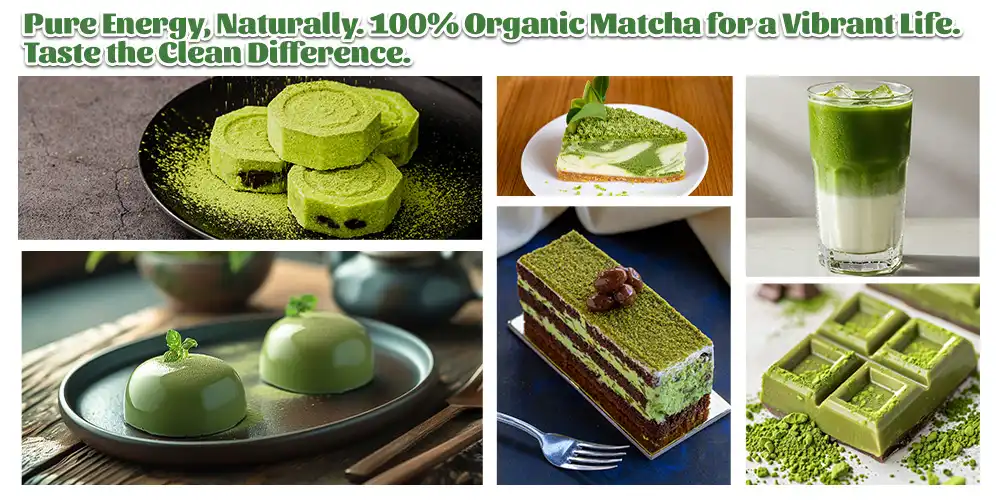
Functional beverage trends provide new matcha applications beyond smoothies. Matcha's unique qualities make it competitive in growth sectors such as ready-to-drink, protein-enhanced, and adaptogenic mixes.
Sustainability factors increasingly affect purchasing decisions, generating opportunities for environmentally responsible suppliers. Environmentally concerned brands and consumers like farming and processing traceability systems.
Tailored nutrition platforms and direct-to-consumer delivery enable innovative distribution methods for premium ingredients and authentic source stories. These trends reward suppliers who can supply thorough product information and quality documentation for premium positioning.
Conclusion
Matcha powder offers a fantastic opportunity for companies looking to capitalize on the detox smoothie market while providing real health advantages. The unusual combination of antioxidants, natural caffeine, and detoxifying appeals to wellness-focused consumer segments. Supplier selection, quality control, and strategic positioning that stress traditional Japanese growing methods and exceptional nutritional profiles are essential for success. Businesses can create successful product lines that meet commercial and consumer wellness goals by knowing formulation technical requirements and market dynamics.
FAQ
What makes matcha powder more effective than regular green tea for detox smoothies?
Matcha powder provides complete leaf consumption rather than just steeped extracts, delivering 137 times more antioxidants than regular green tea. The way matcha is grown in the shade boosts its chlorophyll levels, which helps remove toxins from the body better than regular tea.
How should matcha powder be stored to maintain quality in commercial applications?
Keep matcha powder in airtight, UV-resistant containers at temperatures below 40°F and relative humidity below 60%. Nitrogen flushing during packaging prevents oxidation, while proper rotation systems ensure older inventory gets used before quality degradation affects color vibrancy or nutritional content.
What particle size should I look for when procuring matcha powder for smoothie production?
Optimal matcha powder exhibits particle sizes between 5 and 20 microns (600-800 mesh or finer) to ensure smooth texture and stable suspension in liquid formulations. This ultra-fine milling prevents grittiness while maintaining the characteristic frothy texture consumers expect from quality matcha products.
Partner with Fairir for Premium Matcha Powder Supply
Shaanxi Fairir Biotech stands ready to support your matcha powder procurement needs with our comprehensive extraction capabilities and quality assurance systems. Our 10,000-square-meter GMP-certified facility features advanced processing equipment, including HPLC testing, UV spectrophotometry, and precision grinding systems that ensure consistent particle size and nutritional integrity. As an experienced matcha powder supplier, we maintain strict quality controls through our 14 stainless steel extraction tanks and fully automated production lines that achieve up to 98% extraction efficiency. Contact our team at sales@fairirbiotech.com to discuss your specific requirements and discover how our reliable supply chain can support your product development goals.
References
1. Kochman, J., Jakubczyk, K., Antoniewicz, J., Mruk, H., & Janda, K. (2021). Health Benefits and Chemical Composition of Matcha Green Tea: A Review. Molecules, 26(1), 85.
2. Dietz, C., Dekker, M., & Piqueras-Fiszman, B. (2017). The study conducted an intervention on the impact of matcha tea in drink and snack bar formats on mood and cognitive performance. Food Research International, 99, 72-83.
3. Unno, K., Furushima, D., Hamamoto, S., Iguchi, K., Yamada, H., Morita, A., ... & Nakamura, Y. (2018). Stress-reducing function of matcha green tea in animal experiments and clinical trials. Nutrients, 10(10), 1468.
4. Jakubczyk, K., Kochman, J., Kwiatkowska, A., Kałduńska, J., Dec, K., Kawczuga, D., & Janda, K. (2020). Antioxidant properties and nutritional composition of matcha green tea powder. Foods, 9(4), 483.
5. Ku, K. M., Kim, J. G., Park, H. J., Liu, K. H., & Lee, C. H. (2010). They applied metabolomics to analyze the manufacturing type of pu-erh tea and how its composition changes with different post-fermentation years. Journal of Agricultural and Food Chemistry, 58(1), 345-352.
6. Wang, R., Zhou, W., & Jiang, X. (2008). Mathematical modeling of the stability of green tea catechins in the brewing process. Journal of Food Engineering, 89(3), 378-383.