_1751965378790.webp)

Pure Astaxanthin Powder: Key Nutrients & Functions
Pure astaxanthin powder is a big step forward in the field of natural antioxidants. It is mostly made from Haematococcus pluvialis, a microalgae that is harvested using high-tech methods. This keto-carotenoid molecule is a powerful antioxidant that is 6,000 times stronger than vitamin C and 550 times stronger than vitamin E. It does a great job of protecting cells. Because it is made up of conjugated double bonds, astaxanthin powder can pass through whole cell walls and neutralise reactive oxygen species inside and outside of cells. Pharmaceutical, nutraceutical, and cosmetic businesses that need bioactive ingredients can get the purest, most stable, and most effective bioactive ingredient from this natural extract. In many commercial forms, it helps keep the face healthy, the eyes working well, the heart healthy, and the body's anti-inflammatory systems working well.
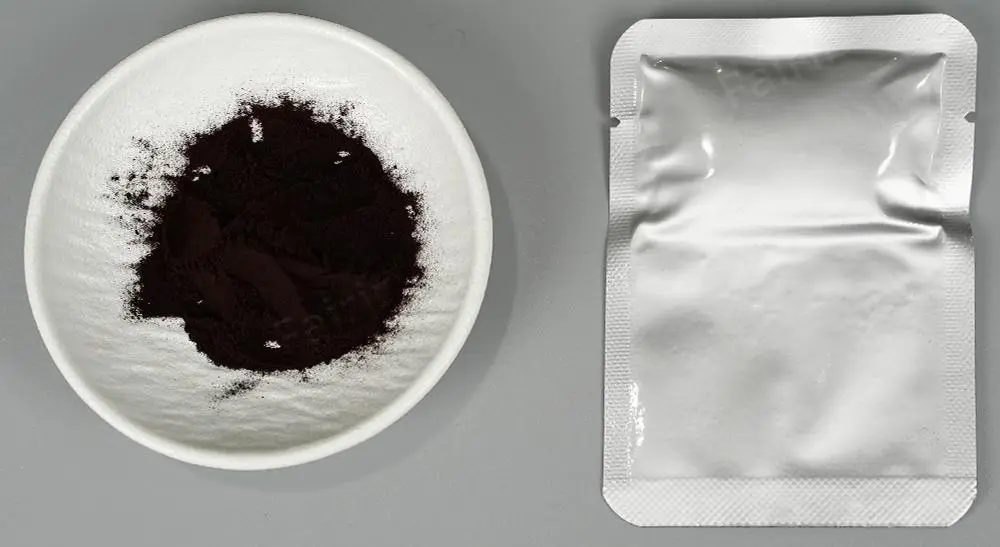
Understanding Pure Astaxanthin Powder: Composition and Benefits
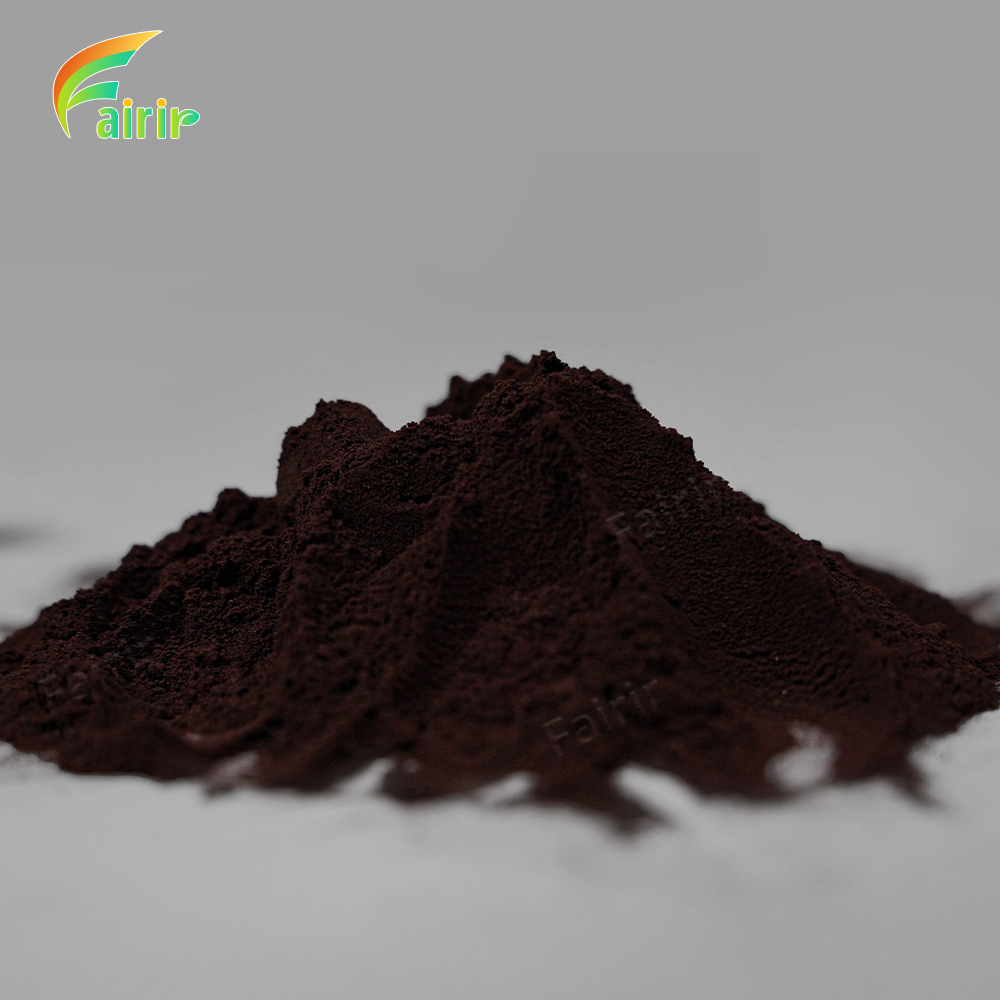
Astaxanthin belongs to the carotenoid family but possesses distinctive structural characteristics that elevate its biological activity far beyond common antioxidants. The naturally derived version contains the biologically active (3S, 3'S) stereoisomer, which exhibits superior bioavailability compared to synthetic racemic mixtures. When sourced from Haematococcus pluvialis microalgae, the extraction process yields a deep red to violet-brown powder with exceptional purity levels.
Chemical Structure and Molecular Advantages
The chemical formula for astaxanthin is C40H52O4, which shows that its polyene chain has hydroxyl and keto groups at its ends. The molecule can stick to lipid bilayers because of its shape, and its long conjugated system neutralises singlet oxygen and gets rid of free radicals. Because it protects the whole structure of cells, astaxanthin is better than beta-carotene or CoQ10, which only work in places that don't absorb water. We can see from lab data that natural astaxanthin stays steady when it is handled in a planned way. We at Shaanxi Fairir Biotech use a supercritical CO₂ extraction method that doesn't leave any solvent residues and saves the structure of the molecules. It can reach concentrations of up to 96%. The process keeps the naturally occurring levorotatory optical action. Our product is different from others made from petrochemicals that have about the same amount of each stereoisomer because of this.
Nutrient Profile and Biological Functions
That's not all—the powder also has extra pigments and fatty acids that help it work better and be absorbed better. Nutrition science journals say that astaxanthin can get into nerve cells and photoreceptor cells directly by crossing the blood-brain barrier and the blood-retinal barrier. It changes the pathways that cause inflammation by blocking NF-kB signals and reducing the production of cytokines that cause inflammation. It's great for eye health products that want to help with age-related macular degeneration and digital eye strain because of this. Astaxanthin powder is a key ingredient in anti-ageing skin care lines because it works as a sunscreen and in dermatology. Supplementing regularly has been shown to improve the skin's elasticity, its ability to hold water, and the depth of lines. Users are happy and can see results in eight weeks when this ingredient is added to serums and pills that you take by mouth. In more than one way, this ingredient is also good for the heart. The reactive modification of LDL cholesterol is slowed down by astaxanthin. This is an important step in the development of atherosclerosis. Another way it helps blood flow is by pushing the vascular endothelium to make more nitric oxide. This helps keep your blood pressure at a good level. This part is a key part of heart health vitamins for older people because of its well-known benefits.
Application Versatility Across Industries
Astaxanthin is liked by drug makers because it helps keep drug formulations stable and works well with active ingredients. It is easy to use in lipid-based delivery systems because it is lipophilic. This makes other ingredients that are given at the same time more bioavailable. Our changes that dissolve in cold water are used by nutraceutical businesses to make capsules, tablets, and powdered drink mixes. This makes it possible to dose consistently in a range of materials without any colour bleeding or precipitation. People who make cosmetics like that the ingredient can be used as both an active ingredient and a natural colourant. The brown-red colour makes lotions and creams look nice and has anti-ageing benefits that can be seen. We can make custom powder sizes that work best for different viscosity needs and penetration profiles. This means that they can be used in beauty items that are put on the skin or eaten. Astaxanthin is being looked at more and more by food and drink makers as a useful additive. It seems to be especially useful in sports diet, where it could help muscles heal and lower the oxidative stress that comes from exercise.
How Pure Astaxanthin Powder Works: Mechanisms and Usage
Understanding the biochemical action of astaxanthin enables optimal formulation strategies that maximise therapeutic outcomes while maintaining product stability. The compound operates through multiple interconnected pathways that Pure astaxanthin powder collectively promote cellular resilience against environmental and metabolic stressors.
Cellular Protection Mechanisms
At the molecular level, astaxanthin fits between membrane structures. Its polar hydroxyl groups are where water meets the membranes, and its hydrophobic core is lined up with the chains of fatty acids. This place lets free radicals be scavenged on both the membrane sides and the lipid innards at the same time. Scientists who used electron paramagnetic resonance spectroscopy have proven that astaxanthin stops peroxyl radicals from damaging lipid peroxidation chains. This stops damage to the membranes that make cells not work properly. Singlet oxygen is a very reactive species that is made when skin is exposed to UV light. The molecule is very good at fighting it. Astaxanthin cools down this dangerous species, which stops DNA mutations and collagen breakdown that speed up photoaging. Comparative studies show that it deactivates singlet oxygen about 100 times better than beta-carotene. This is why it is better at protecting skin from UV light in dermatology uses. Studies on gene expression show that astaxanthin changes transcription factors that manage the creation of antioxidant enzymes. Superoxide dismutase, catalase, and glutathione peroxidase levels go up when you take vitamins. This does more than just get rid of radicals; it also makes the body's defence system better. Over the course of a few weeks, this genomic effect slowly shows up. It helps explain why the protective effects seen in clinical studies that ran longer than three months were so strong.
Dosage Guidelines for B2B Formulations
Because effective treatment is different for each type of application, you should give some thought to the people you want to help and the goals you want to reach. The amounts of nutraceutical vitamins that help with antioxidants are usually spread out during the day. Eye health products usually have between 6 and 12 mg, and heart health products can have between 12 and 20 mg for people who have a lot of oxidative stress signs. For makeup uses, you need to use different ways to concentrate the ingredients. Topical serums that help with ageing usually have astaxanthin powder in amounts ranging from 0.01% to 0.1%. On the other hand, more than 0.5% can be in high-end recipes. There are 4 to 8 mg of antioxidants in most health pills that you can swallow every day. This works with products that you put on your skin to make it look brand new. Our expert team helps people who make cosmetics figure out what concentrations work best for each product based on its purpose and how long it needs to stay fresh. Another important field is animal nutrition. Astaxanthin is used in farming to make salmon and trout brighter, but the right amount needs to be given based on the fish's size and the length of time it will be grown. Using chicken for certain things can make egg yolks look better and boost the immune system. The ingredient is being added to more and more pet pills to help the mind and joints of older animals. We can change how we make things to fit the needs of each application because there are many ways to make things.
Safety Profile and Regulatory Compliance
Many tests on how safe astaxanthin is have shown that it is, even at amounts that are much higher than what is usually found in supplements. When given to people up to 40 mg a day for long periods of time, there were no major side effects found. Sensitive people did experience mild stomach pain. The ingredient can be used in food in the US because it is generally accepted as safe (GRAS). In the EU, it also meets the rules for new food ingredients. We follow Good Manufacturing Practice when we make our products, and we test each batch carefully with High-Performance Liquid Chromatography and UV spectrophotometry. To keep the product from breaking down, the amount of heavy metals must be less than 10 ppm, the number of microbes must be below the standards set by the pharmaceutical industry, and the amount of water must be less than 5%. All packages come with full Certificates of Analysis that show how pure, effective, and free of contaminants the product is. These are needed to send to regulators in key markets. Our microencapsulated powder formulations keep their effectiveness above 90% for 24 months when stored correctly in vacuum-sealed aluminium foil bags inside fibre drums, according to tests done under accelerated circumstances. This makes sure that end users get the full therapeutic value of the product for as long as it lasts and lowers the risk of wholesalers losing stock. To help warehouse managers make choices, we give them detailed stability data for a range of packaging types and storage temperatures.
Comparison and Evaluation of Pure Astaxanthin Powder in the Market
Procurement professionals face numerous decisions when selecting astaxanthin sources, with product format, purity standards, and supplier capabilities significantly impacting final formulation performance and commercial viability. A systematic evaluation framework helps identify optimal partnerships that balance quality requirements with cost considerations.
Format Advantages: Powder Versus Capsules and Oils
Powder formats have clear benefits for makers who need to be able to change the formulation easily and save money by buying in bulk. Powder can be precisely titrated to reach the desired concentrations across a wide range of delivery methods, unlike pre-encapsulated products that are locked into specific dosages and carriers. Because of this, one raw material can be used for many different product lines, which makes inventory management easier and lowers the complexity of the minimum order. Astaxanthin oleoresins and oil suspensions are hard to work with because they are thick, change colour when heated, and don't mix evenly in water. Even though these forms work well in some situations, powder is more stable when it is properly enclosed in protective matrices. Our changes to cold-water-dispersible powder use HPMC or cyclodextrin carriers that quickly dissolve in beverages without leaving oil slicks or needing a lot of equipment for homogenisation. A cost analysis shows that powder usually gives better value per unit of active ingredient, especially when concentration requirements are higher. Transportation costs go down because the format is lighter and smaller than oil-based forms that have a lot of carrier material. Shipping bulk powder in 25 kg fibre drums makes transportation more efficient, while custom packaging can hold smaller amounts for formula development and stability testing before going commercial.
Comparative Antioxidant Analysis
When compared to other antioxidants, astaxanthin has unique benefits that make it worth the higher price in high-performance versions. Even though krill oil has astaxanthin and omega-3 fatty acids, it doesn't have very many carotenoids, so you need to eat a lot of it. A direct comparison shows that isolated astaxanthin powder has 50–100 times more antioxidants per gram, which makes it easier for people who don't like taking big capsules to get the dose they need. Beta-carotene, on the other hand, is cheap and easy to find, but it can't cross membranes or be as effective at quenching radicals as astaxanthin. Formulators who make high-end products are increasingly using astaxanthin to make their products stand out in the market, because it has been shown to work better in head-to-head clinical studies. This market positioning strategy is supported by the fact that informed consumers are willing to pay more for scientifically superior ingredients. CoQ10 and astaxanthin work together to protect cells from oxidative damage, while astaxanthin supports the production of energy in mitochondria. Many advanced formulations use both ingredients together to get the most out of their synergistic effects. Our technical team can help you figure out the best amounts that keep the benefits of both ingredients, pure astaxanthin powder, from cancelling each other out. With this method, brands can show more than one way their products work in claims that are backed up by strong scientific evidence.
Quality Verification Protocols
To tell the difference between natural and manufactured astaxanthin, more than just concentration tests need to be done. Using chiral chromatography to find stereoisomer ratios shows that natural sources mostly give rise to (3S, 3'S) forms, while synthetic material has similar amounts of all three stereoisomers. This difference has regulatory effects in markets that prefer natural ingredients and changes the bioavailability that has been shown in pharmacokinetic studies. Third-party certification from groups like the USDA Organic, the Non-GMO Project, and GFSI-recognised schemes confirms the authenticity of production methods and ingredients. We keep several certifications to meet the needs of different markets. These include Organic, Vegan, Kosher, and Halal labels, which make it easier for us to sell our products in speciality stores. These credentials are becoming more and more important for brands that want to sell to health-conscious people who want to see proof of claims about sustainable and ethical sourcing. Certificates of Analysis should show not only the concentration of active ingredients but also oxidation markers like peroxide value and anisidine value that show how fresh the raw materials are. Heavy metal screening for mercury, arsenic, lead, and arsenic guards against the contamination risks that come with materials that come from the sea. Testing for microbes makes sure that there are no pathogens present and keeps the total plate counts within the ranges needed for the planned uses. In order to speed up time to market and make the approval process easier for customers, our quality documentation packages include everything that is needed to meet legal requirements across global markets.
Procurement Guide: Buying and Sourcing Pure Astaxanthin Powder
Strategic sourcing decisions profoundly impact production costs, product quality consistency, and supply chain resilience. Understanding global supply dynamics and supplier evaluation criteria enables procurement teams to establish partnerships delivering long-term competitive advantages.
Global Supply Landscape and Regional Considerations
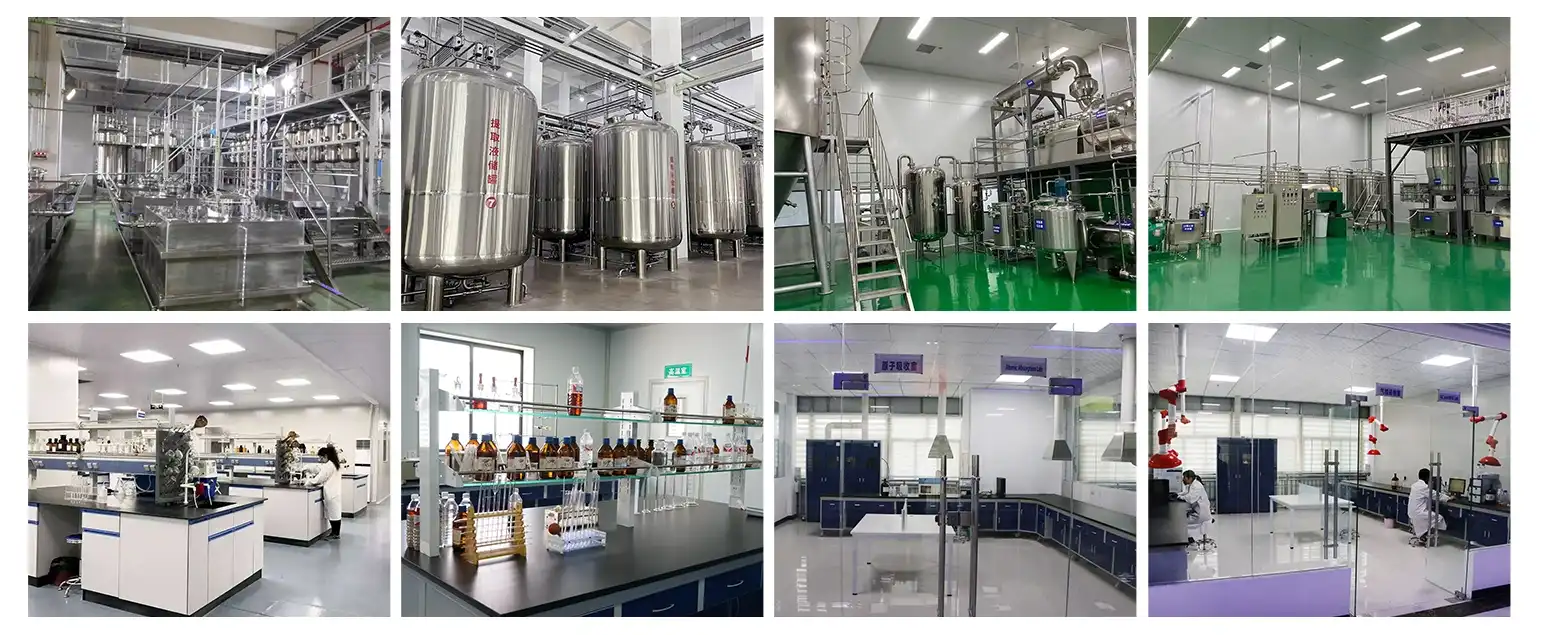
Asia makes most of the astaxanthin because it has a well-established system for growing microalgae and can make it cheaply. Chinese suppliers, like the ones in Shaanxi Province where our facilities are located, have a lot of space, modern extraction equipment, and better quality control systems. Transportation from Xi'an to major ports makes it easier to send ocean freight to markets in North America and Europe. Typical transit times are 25 to 35 days, which makes it possible to plan ahead for inventory. European manufacturers put a lot of emphasis on organic certification and strict environmental standards, which is why they charge higher prices but can easily enter the EU market. The United States still doesn't make a lot of things, but it does serve niche markets that value local sourcing and shorter supply lines. Diversifying procurement strategies across regions can help reduce geopolitical risks while also taking advantage of regional benefits in pricing, quality, and regulatory alignment with target markets. Our manufacturing plant is 10,000 square meters and has GMP certification, which is recognised around the world. There are 14 stainless steel extraction tanks in the plant. Their sizes range from 500 to 3,000 litres, so they can handle batches of any size, from small amounts for study to large amounts for commercial production. With solvent recovery systems and energy-efficient processing methods, two fully automatic production lines can extract 98% of the material, which maximises yield while minimising damage to the environment.
Pricing Structures and Cost Optimisation
Astaxanthin powder prices depend on a number of factors, such as the desired concentration, the need for approval, the size of the order, and the type of packaging chosen. Prices for 1-3% standardised powder range from $150 to $300 per kilogram for metric tonnes, while prices for high-purity 10% powder range from $800 to $1,500 per kilogram, based on the certification portfolio. The price of ultra-pure 96% oleoresin extract can reach $3,000 to $5,000 per kilogram, and it's only worth it for specific medicinal uses that need the highest concentration. If you commit to a volume, you can get tiered pricing, and annual contracts save you 10 to 20 per cent compared to spot purchases. Our sales team and procurement team work together to predict needs, plan production efforts that run smoothly, and find the best ways to combine shipments. Flexible payment terms work for businesses that already have relationships with each other, and letters of credit and trade insurance lower the risks of transactions for first orders that build a partnership. It's important to keep an eye on logistics costs, especially for packages that need to be kept at a certain temperature. Our vacuum-sealed packaging stays stable for a short time at room temperature, but our refrigerated containers stay potent during long tropical transport. Air freight is used for urgent needs or small amounts needed for study, where speed is worth the extra cost of transport. We work with freight forwarders who are experts in the handling of nutraceuticals to make sure that the customs paperwork is correct and that the cold chain stays intact from our warehouse to the customer's facility.
Supplier Evaluation and Due Diligence
When looking at possible astaxanthin providers, you need to do more than just compare prices. Site audits or virtual tours of the building show what equipment is used for production, how clean the area is, and the quality control systems that are needed to make sure that each batch performs the same way. Customers are welcome to visit our facility, which shows that we are honest and builds trust in our quality promises and advanced manufacturing techniques. Asking for reference samples with full analytical documentation lets the lab confirm before making business commitments. Independent testing at customer sites or third-party laboratories verifies the claimed specifications and finds any hidden fillers or shortcuts in the production process that lower the quality. We support this verification process because we're sure that our goods can stand up to close inspection and build trust, which is important for long-term partnerships. What sets exceptional suppliers apart from commodity vendors is their ability to communicate quickly and provide technical support. When suppliers act as formulation partners, helping with things like choosing the right ingredients, figuring out the best doses, and coming up with a regulatory plan, procurement relationships go beyond just trading goods. Our skilled technical team helps customers speed up the time it takes to make new products by giving them advice on how to solve specific application problems. They do this by drawing on their years of experience in the nutrition, cosmetic, and functional food industries.
Maximising Business Value with Pure Astaxanthin Powder
Strategic integration of astaxanthin into product portfolios creates differentiation opportunities and revenue growth across multiple market segments. Understanding successful implementation patterns and emerging trends positions companies to capitalise on growing consumer interest in scientifically validated natural ingredients.
Industry Application Success Stories
Leading vitamin brands have built whole product lines around astaxanthin's known health benefits, especially for older people who want to take charge of their health. According to a big supplement business, sales went up 40% year-over-year after they released a joint health formula with astaxanthin, glucosamine, and chondroitin. Fewer days of recovery after exercise were shown in clinical studies, which made the marketing messages more appealing to busy seniors. Astaxanthin is also used in cosmetics, and many high-end skincare brands put it at the centre of their anti-ageing systems. A European beauty company did a study that showed that using topical and oral astaxanthin supplements together for 12 weeks improved the skin's flexibility by 35% and reduced fine lines by 40%. These measurable results allowed higher prices and a lot of media attention, showing that investing in clinical validation pays off in marketing benefits that are greater than the costs of research. Animal nutrition is a large market area that has a history of commercial success. Aquaculture operations for salmon get the desired colour of the meat while also improving the fish's immune system and ability to handle stress. Pure astaxanthin powder, which lowers the number of fish that die while being handled or transported. Pet supplement companies say that astaxanthin-based products that are sold to help senior dogs' joints and brains are very well received by customers. This is because they appeal to the emotional bonds that exist between owners and their older pets.
Emerging Market Trends and Innovation Opportunities
A study shows that astaxanthin can help with exercise performance and recovery; its use in sports nutrition is growing quickly. Studies show lower signs of muscle damage, a shorter time to exhaustion, and faster recovery after a workout. This opens the door for pre-workout and recovery supplements aimed at serious players and fitness fans. When brands put astaxanthin next to well-known sports ingredients like creatine and beta-alanine, they get halo effects and teach customers about new performance-boosting compounds. As people get older and look for ways to keep their memories sharp, cognitive health applications show a lot of promise. Astaxanthin may help the brain's blood flow and shield neurons from oxidative damage that is linked to memory loss, according to an early study. While larger clinical trials are still going on, early adopter brands are putting out brain health supplements with astaxanthin, along with traditional nootropics. This is done to prepare the market for future growth as more evidence comes in. Sustainability efforts are also having a bigger impact on the choices that are made when choosing ingredients. Consumers and regulatory bodies look closely at how the production of ingredients affects the environment. They prefer providers that show they are resource-efficient and leave small ecological footprints. In our closed-loop extraction systems, chemicals are recovered and used again, and our partners who grow microalgae use photobioreactor technology, which uses less water than open-pond systems. These actions are in line with the social goals of the company and back up marketing claims that appeal to people who care about the environment.
Building Strategic Supplier Relationships
Long-term supply agreements provide stability, benefiting both manufacturers and suppliers through predictable production scheduling, optimised inventory management, and collaborative product development. We structure partnerships addressing customers' growth trajectories, scaling capacity to match expanding market success while maintaining consistent quality and competitive pricing. Annual reviews assess satisfaction, identify improvement opportunities, and discuss emerging needs as product portfolios evolve. Transparent communication during supply disruptions or quality investigations demonstrates supplier integrity that sustains relationships through inevitable challenges. We maintain safety stock for key customers and prioritise their needs during raw material shortages affecting industry supply chains. This reliability becomes particularly valuable during rapid market growth phases when ingredient availability constraints limit competitors' ability to secure adequate supplies. Contract negotiation should address not only pricing and minimum orders but also intellectual property protection, exclusivity arrangements, and collaborative development terms. We offer confidential formula development support, recognising that customer success drives our growth. Non-disclosure agreements protect proprietary formulations while our team contributes technical expertise, optimising stability, bioavailability, and manufacturing efficiency. This partnership approach creates mutual value exceeding simple buyer-seller transactions.
Conclusion
Astaxanthin powder represents a scientifically validated natural ingredient delivering measurable benefits across pharmaceutical, nutraceutical, cosmetic, and animal nutrition applications. Its unparalleled antioxidant capacity, favourable safety profile, and versatile formulation compatibility position it as a cornerstone ingredient for brands seeking differentiation through efficacy and innovation. Successful procurement strategies balance quality verification, cost optimisation, and supplier relationship management to ensure a consistent supply of high-purity material meeting regulatory requirements across global markets. Shaanxi Fairir Biotech combines manufacturing expertise, analytical capabilities, and customer-focused service to support your product development objectives with reliable, competitively priced astaxanthin powder backed by comprehensive quality documentation.
FAQ
1. What distinguishes natural from synthetic astaxanthin powder?
Natural astaxanthin extracted from Haematococcus pluvialis contains predominantly the (3S, 3'S) stereoisomer, demonstrating superior bioavailability and antioxidant activity compared to synthetic versions produced from petrochemicals. Synthetic astaxanthin consists of racemic mixtures containing equal proportions of three stereoisomers, reducing biological effectiveness. Analytical testing via chiral chromatography identifies these differences, supporting regulatory classifications and label claims distinguishing natural sources. Consumer preference increasingly favours natural ingredients, justifying price premiums and enabling marketing differentiation.
2. How can buyers verify astaxanthin powder quality before purchasing?
Request detailed Certificates of Analysis documenting concentration via HPLC testing, stereoisomer ratios, heavy metal screening, microbial testing, and stability indicators like peroxide value. Obtain reference samples for independent laboratory verification at your facility or third-party testing organisations. Review supplier certifications, including GMP compliance, organic credentials, and third-party audits from recognised schemes. Virtual or on-site facility inspections reveal production capabilities and quality control infrastructure. Establish communication with technical teams, assessing their expertise and responsiveness, indicators of ongoing support quality.
3. Which industries benefit most from incorporating astaxanthin powder?
Nutraceutical manufacturers developing antioxidant, eye health, cardiovascular, and sports nutrition supplements derive significant value from astaxanthin's documented clinical benefits. Cosmetic brands formulating anti-ageing skincare, sun protection, and ingestible beauty products leverage their photoprotective and collagen-supporting properties. Pharmaceutical companies incorporate it into drug formulations requiring antioxidant stability and bioavailability enhancement. Animal nutrition sectors, including aquaculture, poultry, and pet supplements, utilise it for pigmentation, immune support, and performance benefits. Food and beverage companies explore functional fortification applications in premium product lines.
4. What concentration specifications should different applications target?
General antioxidant supplements typically use 1-5% standardized powder providing economical dosing flexibility, while premium eye health and cardiovascular formulas often specify 5-10% concentrations for compact serving sizes. Cosmetic topical applications incorporate 0.01-0.5% in finished products, sourcing higher concentration powders for efficient formulation. Aquaculture and animal feed applications may use lower concentrations like 1-2% blended into feed matrices. Pharmaceutical applications sometimes require ultra-pure 95%+ specifications. Our technical team assists in selecting optimal concentrations balancing performance requirements, formulation constraints, and cost considerations specific to your application.
5. How does astaxanthin powder stability affect formulation and storage?
Astaxanthin degrades when exposed to light, heat, oxygen, and moisture, requiring protective formulation strategies. Microencapsulation with gelatin, HPMC, or cyclodextrin carriers shields the sensitive molecule from environmental stressors. Finished products benefit from opaque packaging, oxygen scavengers, and moisture barriers, extending shelf life. Powder ingredients should be stored below 8°C in vacuum-sealed, light-proof containers, maintaining potency throughout product development timelines. We provide stability data under various conditions, guiding appropriate handling and storage protocols. Formulation of antioxidants like vitamin E and natural preservatives synergistically protects astaxanthin in finished products.
6. What documentation supports regulatory compliance in different markets?
United States market entry requires GRAS status verification, dietary supplement compliance with FDA regulations, and Current Good Manufacturing Practice documentation. European Union markets demand Novel Food authorisation where applicable, compliance with food supplement directives, and often organic certification. We provide comprehensive regulatory support packages including manufacturing licenses, testing certificates, allergen statements, GMO declarations, BSE/TSE-free certificates, and country-specific documentation like Certificate of Free Sale. Our experience with global regulatory frameworks enables efficient navigation of compliance requirements, accelerating your product approval processes across target markets.
Partner with Fairir for Premium Astaxanthin Powder Solutions
Shaanxi Fairir Biotech stands ready to support your product development with superior astaxanthin powder manufactured under strict GMP standards using advanced supercritical CO₂ extraction technology. Our comprehensive quality control utilising HPLC and UV spectrophotometry ensures every batch meets your exact specifications. Pure astaxanthin powder, while our 1-3 day delivery capability and competitive bulk pricing structure optimise your supply chain efficiency. Whether you require standardised concentrations from 1% to 96%, organic certification, custom formulations, or private label packaging solutions, our experienced team delivers responsive technical support addressing your unique application requirements. Contact Us at sales@fairirbiotech.com to request detailed Certificates of Analysis, discuss your specific needs with our astaxanthin powder specialists, and discover how partnering with a trusted supplier elevates your competitive position through reliable access to this powerful natural ingredient.
References
1. Capelli, B., Bagchi, D., & Cysewski, G.R. (2013). Synthetic astaxanthin is significantly inferior to algal-based astaxanthin as an antioxidant and may not be suitable as a human nutraceutical supplement. Nutrafoods, 12(4), 145-152.
2. Ambati, R.R., Phang, S.M., Ravi, S., & Aswathanarayana, R.G. (2014). Astaxanthin: sources, extraction, stability, biological activities and its commercial applications—a review. Marine Drugs, 12(1), 128-152.
3. Higuera-Ciapara, I., Félix-Valenzuela, L., & Goycoolea, F.M. (2006). Astaxanthin: a review of its chemistry and applications. Critical Reviews in Food Science and Nutrition, 46(2), 185-196.
4. Guerin, M., Huntley, M.E., & Olaizola, M. (2003). Haematococcus astaxanthin: applications for human health and nutrition. Trends in Biotechnology, 21(5), 210-216.
5. Yuan, J.P., Peng, J., Yin, K., & Wang, J.H. (2011). Potential health-promoting effects of astaxanthin: a high-value carotenoid mostly from microalgae. Molecular Nutrition & Food Research, 55(1), 150-165.
6. Fassett, R.G., & Coombes, J.S. (2011). Astaxanthin: a potential therapeutic agent in cardiovascular disease. Marine Drugs, 9(3), 447-465.