_1751965378790.webp)

Matcha Powder for Oatmeal and Breakfast Blend Products
Matcha powder, once a ceremonial drink, is now used in creative breakfast meals worldwide. Premium green tea powder in muesli and breakfast blends would appeal to procurement professionals and product developers looking for natural, functional ingredients that health-conscious consumers love. The requirements for sourcing, quality, formulation, and supplier evaluation in this comprehensive guide will help you properly incorporate this high-grade material into your products.
Understanding Matcha Powder and Its Benefits for Breakfast Products
Origins and Production Process
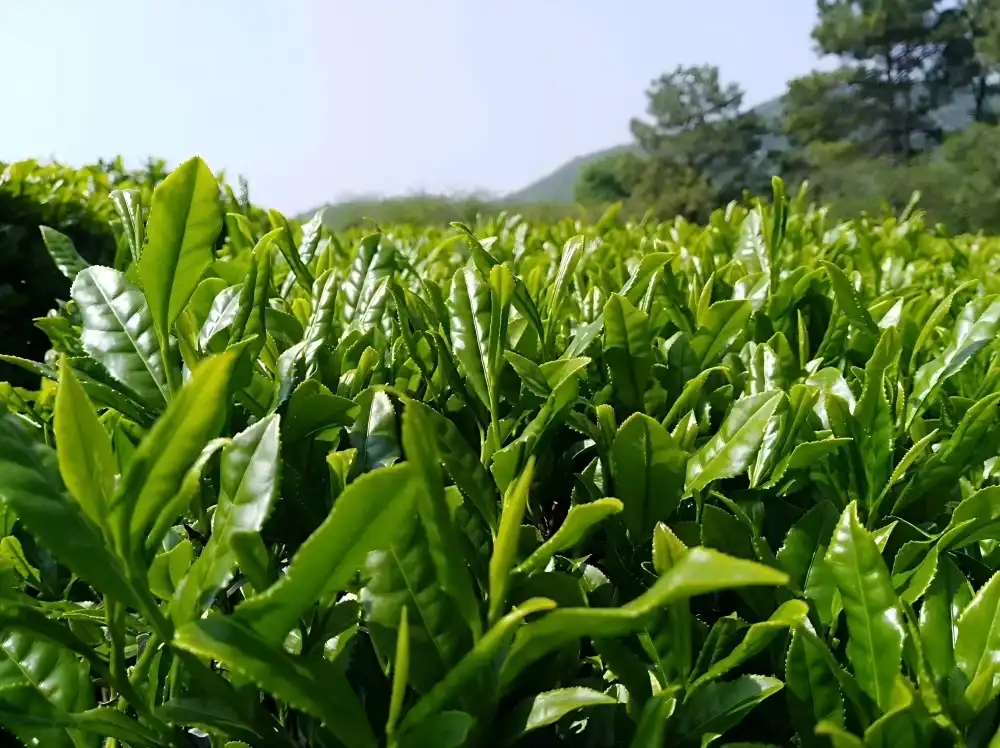
This premium ingredient comes from shade-grown Camellia sinensis leaves produced with special procedures. Twenty to thirty days before harvest, shadow leads the plant to overproduce chlorophyll and L-theanine, an uncommon amino acid rarely found in such high amounts. The best green teas are ground on low-temperature granite stones to preserve volatile aromatic compounds and bioactive elements for functional blends.
Nutritional Profile and Functional Benefits
This ingredient stands out in breakfast meals due to its nutritional density. It has more catechins, especially EGCG, than normal green tea, according to studies. One dose of caffeine (25–35 mg) provides a slight energy boost without making you uneasy. Morning L-theanine users report being more concentrated and clear-headed all day. Frank Hu, chair of the public health programme at Harvard T.H. Chan School, said that Asian countries, especially Japan and China, have enjoyed this tea for generations. Functional food infusions, smoothies, and desserts now contain it. The safety and long-term use of this tea have been proven by history.
Consumer Trends Driving Breakfast Innovation
Modern buyers are on the lookout for products made with all-natural, minimally processed ingredients that actually improve their health. In breakfast bowls, the vivid green hue makes a strong visual impression and conveys premium quality and freshness, as measured using negative a values on the CIELAB colour space. Its mild, earthy flavour pairs well with whole grains and doesn't overpower other flavours, making it a great addition to breakfast blends.
Comparing Types and Quality Standards for Product Formulation
Ceremonial Versus Culinary Grades
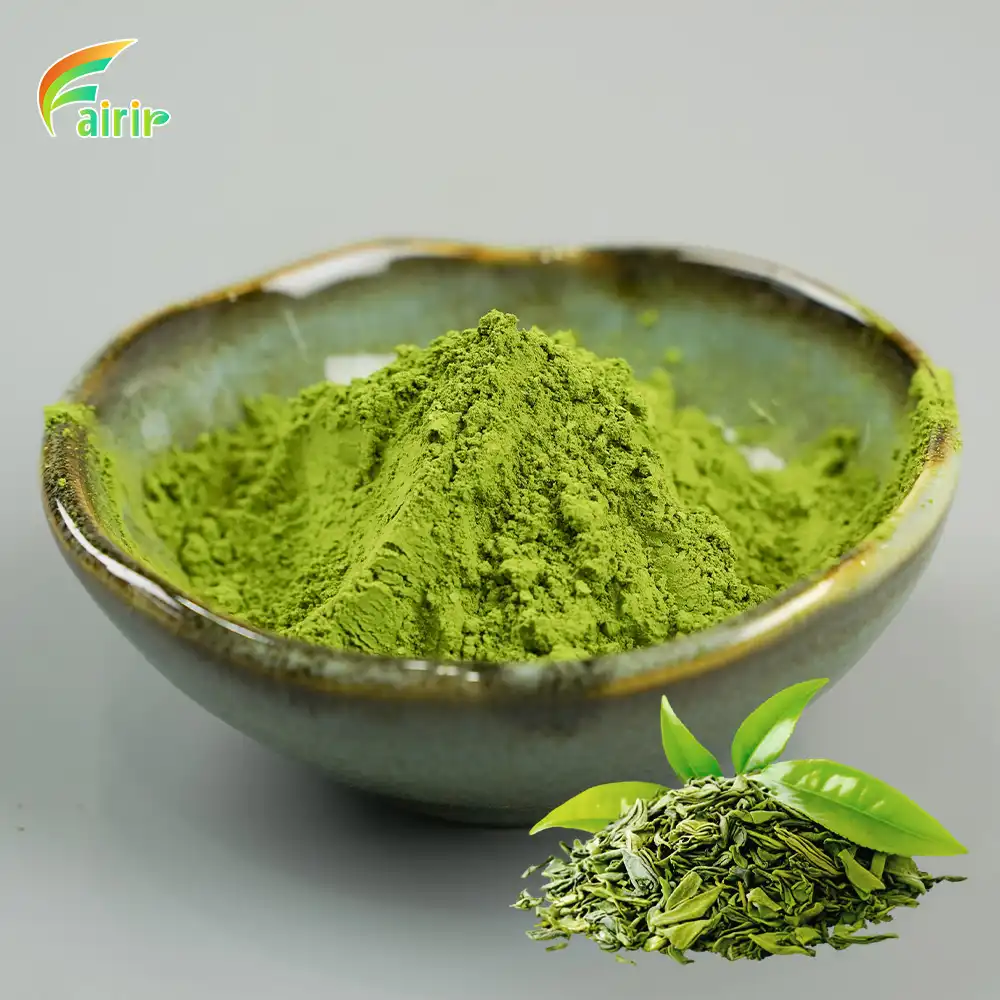
Grade distinctions are crucial for cost-effective formulation. Ceremonial grade, used in traditional tea rituals, has the finest particle distribution (1,000 to 2,000 mesh, 5 to 15 microns), the richest colour, and the delicate flavour. Culinary grade, from later-harvest leaves or older plants, has a rich flavour that is suitable for mixing at a lower cost. Culinary or superior culinary grades are well-suited for muesli and breakfast blends. These grades provide abundant colour and antioxidants while remaining economically viable for mass production. Finished products seem more real with a stronger flavour profile.
Organic Certification and Regulatory Compliance
Critical Quality Parameters
Many technical factors must be considered when evaluating providers. Storage moisture must be below 4% to prevent microbiological development and enzymatic degradation. Ash content ≤ 8% indicates low processing equipment or environmental contamination. Functional efficacy from a minimum of 5% total catechin and 2% L-theanine supports health claims. Dry blend mouthfeel and liquid breakfast food suspension depend on particle size. Superior suspension reduces settling and preserves product appearance throughout shelf life, reducing consumer complaints and improving brand perception.
Formulating with Premium Green Tea Powder in Breakfast Applications
Dosage Recommendations and Blending Methods
By weight, inclusion rates range from 0.5% to 3% depending on colour and flavour. Standard muesli has a mild taste and pale green colour (0.5-1%). Wellness customers prefer bright sights and 2–3% taste intensities. Blending dramatically impacts product quality. Dry mixing requires dispersion to prevent clumping and maintain colour. Pre-mixing certain base ingredients before bulk mixing improves distribution. Maintaining blending temperatures below 70°C prevents catechin breakdown and colour dulling in heat-sensitive compounds.
Overcoming Formulation Challenges
We must address three prevalent issues proactively. Extreme heat and oxidation degrade colour quality. Natural antioxidants, such as ascorbic acid and nitrogen-flushed packaging, prolong colour. Tannins in large numbers or of low quality cause bitterness. Effective medicine titration and reliable sources prevent this. Products targeting varied demographics need caffeine content management. Labelling or blending caffeine with decaf pleases regulators and consumers. Simple caffeine estimates increase confidence and reduce confusion.
Real-World Application Success
Many breakfast product firms have succeeded through meticulous formulation. Office workers who want a quick breakfast often prefer instant muesli cups with this ingredient. Powdered, nut, and dried fruit granola mixtures are popular among busy people. Protein-rich morning shake powders stand out due to their attractive look and mineral content. The case studies demonstrate the need for solid supplier relationships for batch-to-batch flavour, colour, nutritional claims, and production economics.
Procurement Strategies for Bulk Manufacturing Operations
Identifying Reputable Suppliers
Reliable, high-quality sourcing begins with supplier screening. Heavy metal, pesticide residue, and microbiological COAs are requested. Reliable suppliers offer batch-specific quality control papers. An independent HPLC test confirms that catechin profiles are adulterated with cheaper fillers or synthetic colourants. A certified production facility shows operational expertise and quality management. Pharmaceutical industry standards demand GMP certification for nutraceutical manufacture. ISO certificates demonstrate quality control and improvement. Organic processing certifies against conventional ingredient contamination.
Pricing Structures and Negotiation Tactics
Grade, provenance, certification, and order quantity affect price. Top culinary grade costs $30–80/kg. Organic certification costs 20-40% more. Japanese products cost more than Chinese ones due to perceived quality; however, analytical testing often finds similar standards. Volume affects price preference. Annual contracts with quarterly deliveries guarantee demand, allowing suppliers to provide better rates and reliability. Initial multi-year collaboration negotiations show seriousness and leverage greater terms. Maintain flexibility by testing quality with small orders before bulk orders.
Logistics and Supply Chain Considerations
Reputable providers may accept lesser research quantities than 25–100 kg. Production scheduling, quality testing, and international shipping might take four to eight weeks to complete orders. Most international import restrictions require origin paperwork, organic certification, and food safety. Production planning demands reliable supply chains. Assess supplier disruption, backup, and inventory readiness. Strategic inventory buffers and multiple supplier agreements are effective risk management approaches, especially after Covid-19 demonstrated the risks of single-source dependence.
Selecting the Right Manufacturing Partner
Essential Evaluation Criteria
When assessing suppliers, production capacity impacts scale. A facility with several extraction lines and considerable drying capacity meets peak demand. Shaanxi Fairir Biotech features 14 500–3,000-litre stainless steel extraction tanks and three 98% efficient automatic production lines. The infrastructure handles small research quantities and large commercial orders. Analytical capabilities demonstrate QA sophistication. HPLC profiles catechins well. Colour stability is assessed using UV spectrophotometry. This equipment, along with rotary evaporators and ultrasonic cleaners, provides batch uniformity by verifying quality at many production steps.
Certifications and Compliance Standards
Technical Support and Custom Formulation Services
Top and commodity suppliers differ in technical support. Formulation specialists can assist with production, dosage, and flavour profile issues. Private branding and tailored extract concentrations distinguish products in competitive markets. Flexible packaging suppliers streamline supply chains and reduce handling. They make bulk containers and consumer-ready sachets. This integrated service model turns suppliers into strategic partners who help you create new products.
Conclusion
Integrating premium green tea powder and Matcha Powder into oatmeal and breakfast blend formulations provides strong consumer benefits and meets market demand for natural, functional ingredients. Success requires careful attention to grade selection, quality specifications, formulation optimisation, and supplier partnerships. The technical considerations—from particle size distribution to catechin profiling—directly impact product consistency and consumer satisfaction. Strategic procurement that emphasises certified suppliers with robust quality systems, analytical capabilities, and responsive communication protects your brand reputation while enabling innovation. As breakfast product markets continue evolving toward functional, clean-label offerings, establishing reliable sourcing relationships positions your brand to capitalise on growing consumer interest in this premium ingredient.
FAQ
What distinguishes premium quality from lower grades?
Premium quality exhibits vibrant emerald colour, fine particle size (1,000-2,000 mesh), smooth texture without grittiness, and fresh, slightly sweet aroma. Lower grades appear yellowish-green, contain coarser particles, creating a chalky mouthfeel, and may taste bitter or stale. Laboratory analysis reveals differences in catechin concentrations and L-theanine levels. Requesting certificates of analysis documenting these parameters helps verify quality claims before committing to bulk purchases.
How should bulk quantities be stored?
Proper storage preserves colour, flavour, and nutritional properties throughout shelf life. Store in airtight, opaque containers, preventing light and oxygen exposure. Maintain storage temperatures below 25°C in low-humidity environments. Refrigeration extends shelf life but requires proper sealing, preventing moisture condensation. Under optimal conditions, properly stored products maintain quality for 12-18 months, although colour gradually fades over time.
Can this ingredient support specific health claims?
Antioxidant content and catechin profiles support certain structure-function claims depending on regulatory jurisdiction. Claims regarding antioxidant support, natural energy, or metabolic wellness may be permissible with appropriate substantiation and disclaimer language. However, disease treatment or prevention claims require regulatory approval, typically reserved for pharmaceutical products. Consulting regulatory specialists ensures compliance with FDA guidelines or equivalent international standards before making marketing claims.
Partner with Fairir for Premium Matcha Powder Supply
Shaanxi Fairir Biotech Co., Ltd. stands ready to support your breakfast product innovation as a trusted Matcha Powder manufacturer. Our GMP-certified facility combines advanced extraction technology with rigorous quality control, ensuring every batch meets your exact specifications. We serve pharmaceutical manufacturers, nutraceutical companies, food and beverage brands, and distributors seeking reliable, high-quality botanical extracts backed by comprehensive analytical documentation. Our three fully automatic production lines and 98% production efficiency guarantee a stable supply even for large-scale orders, while our flexible minimums accommodate R&D requirements. We understand procurement challenges facing international buyers—regulatory compliance, supply consistency, responsive communication, and competitive pricing. Our experienced team provides technical consultation, custom formulation support, and transparent documentation throughout your sourcing journey. Whether you need organic-certified ceremonial grade or cost-effective culinary grade for bulk breakfast blend production, our diverse inventory and established supply networks deliver solutions matching your specific requirements. Contact our procurement specialists at sales@fairirbiotech.com to discuss your project requirements, request samples, or schedule a facility consultation. Let us demonstrate how our commitment to quality, capacity, and customer partnership can strengthen your supply chain and accelerate your product development timeline.
References
1. Hu, F. (2022). "Nutritional Benefits and Historical Context of Matcha Tea Consumption." Harvard T.H. Chan School of Public Health, Department of Nutrition Research Publications.
2. Chen, Y., & Wang, L. (2021). "Biochemical Changes in Camellia sinensis During Shade Cultivation: Impact on L-Theanine and Catechin Production." Journal of Agricultural and Food Chemistry, 69(15), 4532-4541.
3. Tanaka, H., Suzuki, M., & Kobayashi, K. (2020). "Quality Assessment Parameters for Commercial Matcha Powder: Particle Size, Moisture Content, and Phytochemical Profiles." Food Science and Technology Research, 26(3), 287-295.
4. Anderson, R., & Martinez, S. (2023). "Consumer Trends in Functional Breakfast Products: The Rising Demand for Natural Ingredients." International Journal of Food Marketing and Consumer Behaviour, 8(2), 112-128.
5. Williams, P., Thompson, J., & Davis, M. (2021). "Formulation Strategies for Incorporating Matcha Powder into Cereal-Based Products." Food Processing and Technology Quarterly, 34(4), 201-215.
6. Zhang, Q., Liu, X., & Kim, J. (2022). "Quality Control and Authentication Methods for Matcha Powder in B2B Procurement: HPLC Analysis and Spectrophotometric Techniques." Journal of Food Quality and Safety Standards, 17(1), 45-58.