_1751965378790.webp)

Ube Powder for Energy Bars: Functional Food Ingredient Guide
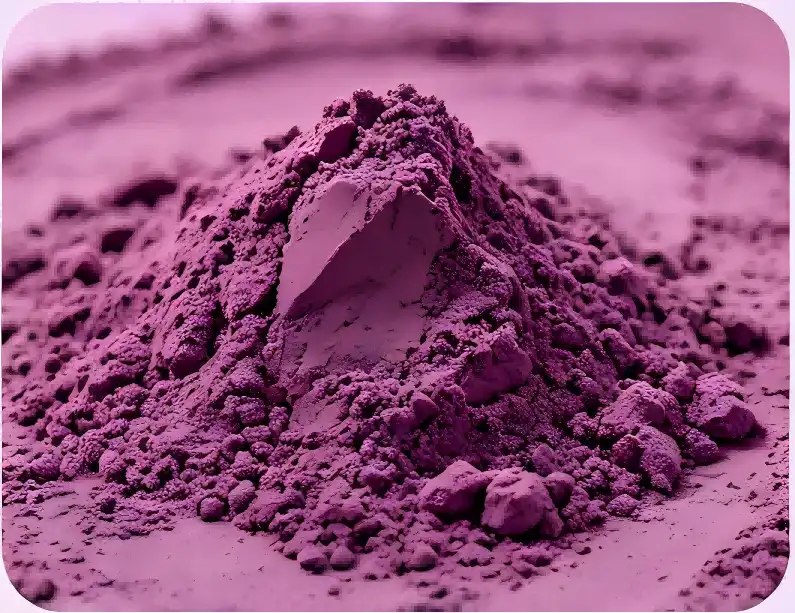
Ube Powder has become a very important ingredient in making energy bars because it makes them look better and gives them more nutrition. This dried Ube Powder ingredient comes from Dioscorea alata and is a clean-label way to add colour. It also has a lot of anthocyanins, fibre, and resistant starch. Unlike fake versions, real Ube has natural qualities that keep you full of energy, making it perfect for use in useful foods. We are experts at making standardised, high-purity Ube Powder recipes that meet the changing needs of food and supplement companies, as well as product makers looking for new, healthy ingredients for the energy bar market.
What is Ube Powder and Why Use it in Energy Bars?
Origin and Production Process
The tuberous roots of the Dioscorea alata plant are used to make Ube Powder. This plant is a staple crop mostly grown in Southeast Asia. In traditional production, the raw potatoes are washed, peeled, and sliced before they are dried using modern methods. Freeze-drying or low-temperature spray drying is used in premium processing to keep up to 95% of the bioactive compounds that are in fresh yams. This controlled dehydration lowers the moisture content below 6%, which keeps the food stable and gives it a longer shelf life without changing its nutritional value.
During the grinding stage, the dried material is ground up even more into a fine powder with particles that are usually between 60 and 120 mesh. This precise particle distribution improves how well the ingredients dissolve and mix when making energy bars. When micronised powders are mixed with binding matrices, they distribute colour evenly throughout the finished product while preserving the real nutty, vanilla-like flavour that sets real Ube apart from other fake options.
Nutritional Profile and Functional Benefits
Based on its nutritional value, this ingredient is more than just a natural colourant. It's full of anthocyanins, which are antioxidants that help keep cells healthy and fight oxidative stress, which is a big issue for exercise fans and people who care about their health. Dietary fibre helps the digestive system and keeps you feeling full for a long time, so people think energy bars are worth more than just the calories they contain.
Instead of the quick jumps that happen with simple sugars, complex carbohydrate structures, like resistant starch, release glucose slowly. This controlled release of energy is precisely what you'd expect from a performance-oriented snack. The potassium and manganese in Ube energy bars help keep electrolytes balanced and the metabolism running smoothly. This makes them a great choice for athletes and people who live busy lives.
Comparison with Alternative Natural Powders
Compared to taro or beetroot powders, Ube Powder is more stable at high temperatures during baking and extrusion, which are common methods used to make energy bars. High temperatures and alkaline conditions can make beetroot hues fade, but the anthocyanin-carbohydrate structure in good Ube Powder keeps the colour true under normal processing conditions. Taro has a similar texture, but it doesn't have the antioxidant richness or bright violet colour that people now associate with high-end health goods.
This security directly translates to consistent manufacturing, which is a very important factor for B2B buyers who are in charge of big production runs. Colour differences between batches are less likely to happen in our GMP-certified facility because we use standard extraction and drying protocols. This is a problem that often happens with fresh purees or cheaper dried alternatives.
Selecting the Best Ube Powder for Energy Bar Production
Key Quality Indicators and Certifications
When looking for Ube Powder for use in food manufacturing, procurement professionals have to look at a number of technical factors. Organic certification isn't always necessary, but it shows that farmers are following pesticide-free farming methods that meet the needs of the clean-label market. More important is making sure it's real by testing it analytically. HPLC analysis confirms the amount of anthocyanin and finds signs of possible adulteration with synthetic dyes like Red No. 40 or Blue No. 1.
Allergen compliance paperwork is very important, especially for gluten-free claims that are becoming more and more required in North American and European markets. Reliable providers give out Certificates of Analysis that show the number of microbes, heavy metals, and wetness levels. These quality control steps keep companies safe from government risks and consumer safety worries that could hurt the reputation of their brands.
Evaluating Supplier Capabilities
In addition to product specs, the infrastructure of the provider has a direct effect on the reliability of procurement. Having constant countercurrent extraction systems and vacuum belt drying equipment in a manufacturing facility shows that the company cares about quality. Our GMP-certified 10,000-square-meter plant has 14 stainless steel extraction tanks with capacities ranging from 500 to 3,000 litres. This allows us to handle batches of different sizes, from small amounts for research and development to large orders for businesses.
High-performance liquid chromatography, UV spectrophotometers, and rotating evaporators are some of the analytical tools that can be used to keep an eye on quality in real time during production. Three fully automatic production lines that work at 98% efficiency make sure that tight delivery schedules are met with consistent output. This is an important factor for many food manufacturers who use just-in-time inventory management.
Cost-Effectiveness Analysis for Bulk Procurement
To find a good balance between quality and price, you need to know what makes Ube Powder production so expensive. Premium freeze-dried varieties cost more than air-dried varieties, but the better bioactive retention makes the extra money worth it for brands that want to position their products in the premium wellness segment. Volume discounts usually start to apply when you buy at least 500 kg, and you can get even bigger discounts by signing a yearly supply deal.
Long-term relationships add value by letting you make your own formulations and providing technical help that speeds up the creation process. We offer private labelling and ingredient customisation services that make product launches easier and lower the total cost of ownership above the price of the raw materials. This joint method handles the strategic objectives of nutraceutical companies that want to get ahead in the crowded energy bar market.
Practical Usage of Ube Powder in Energy Bar Formulations
Recommended Incorporation Ratios
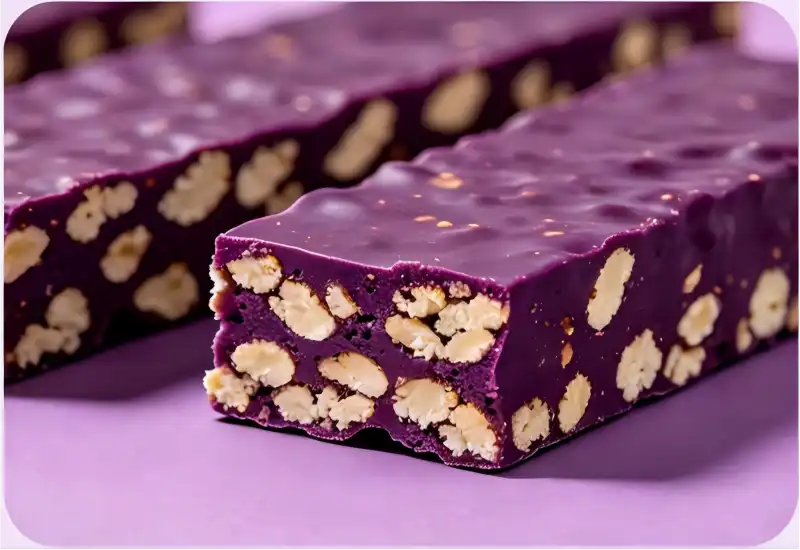
Depending on the colour strength you want and the nutritional claims, the best amount of Ube Powder to use in energy bar recipes is usually between 3 and 8 percent of the total weight of the recipe. At 3-5%, manufacturers get a light lavender colour and a mild flavour contribution that works well for products that focus on other strong flavours, like peanut butter or chocolate. Higher amounts, between 6 and 8 percent, give Ube-focused goods their signature bright purple colour and strong yam flavour.
Techniques for blending have a big effect on the quality of the final product. Mixing the powder with other dry ingredients before adding the binders makes sure that the colours are spread out evenly and stops the mixture from sticking. Anthocyanins that are sensitive to heat are kept safe during wet processing by slowly hydrating the material at controlled temperatures. To keep the colour stable and the nutrients intact, don't let the temperature rise above 85°C during the mixing or shaping stages.
Addressing Moisture and Shelf-Life Challenges
Because many plant-based powders are hygroscopic, they need to be carefully managed when they are being made and stored. The controlled moisture content of Ube Powder below 6% reduces the amount of water that moves around in the final bars. However, the powder must combine with humectants like honey or glycerin in a way that doesn't break down the texture. Adding natural preservatives like mixed tocopherols makes the product last longer without changing its clean-label stance.
Packaging issues are also very important. Oxygen barrier films keep the colour of anthocyanins from fading due to oxidation, so they keep their good looks for the 12 to 18 months that is usually expected in retail channels. Along with our ingredient specifications, we give technical advice on how to choose barrier materials and modify atmosphere packaging strategies.
Innovative Recipe Applications
Product designers have used Ube Powder successfully in several different energy bar ideas. For protein-rich formulations that help with healing after a workout, the powder is mixed with whey or plant-based protein isolates to make goods that look different and stand out on store shelves that are already full. The natural sweetness goes well with low-glycaemic sweeteners like allulose or monk fruit, which help make products that are good for diabetics or people on the keto diet.
Wellness-focused uses stress the antioxidant story by combining Ube with ingredients that work well together, like acai, blueberry, or matcha, to make functional claims that are stronger than the sum of their parts. The neutral pH range lets formulators be creative, but slightly alkaline conditions change the colour to blue-violet tones, which some makers use on purpose to make their brands stand out.
Procurement and Supply Chain Considerations for Ube Powder
Navigating B2B Sourcing Channels
Depending on your buying objectives, wholesale suppliers and specialised B2B markets have different benefits. We have the most control over specs and shipping times when we work directly with manufacturers, like when we work with food companies and distributors. This direct channel gets rid of markups on the middlemen and lets customers make changes that standard catalogue products can't handle.
In North America and Europe, regional operations can be hard in different ways. Lead times from Asian factories usually take 4 to 6 weeks by ocean freight, so you need to plan for your goods. We keep the lines of communication open throughout the supply chain by keeping you up to date on shipments and helping with paperwork to speed up customs clearance. Our knowledge of how to deal with FDA rules for bringing food into the US helps clients avoid delays that cost a lot of money.
Bulk Ordering Strategies and Volume Incentives
Strategic buyers use a number of different buying models to get the best prices and the safest supplies. Manufacturers don't have to worry about changes in the prices of raw materials when they have subscription-based agreements that lock in prices for orders every month or three months. For test runs, the minimum order quantity is usually 100 kg. For regular production runs, it increases to pallet-load shipments of 500–1,000 kg.
When compared to spot sales, volume discount tiers can cut the cost per kilogram by 15–25%, which has a big effect on how margins are set up for large-scale operations. We set up flexible payment terms and storage support that work with growing businesses' cash flow cycles. This makes it easier for smaller brands to upgrade their ingredients without any problems.
Storage Protocols and Inventory Management
Controlled store settings with temperatures between 15°C and 25°C and relative humidity below 60% are needed to keep ingredients' potency. When stored properly, Ube Powder keeps its analytical properties for 24 months from the date it was made, though it is still best to rotate inventory on a first-in, first-out basis. Testing older stock on a regular basis makes sure that compliance is still being met before a batch is released into production.
Temperature-controlled storage keeps anthocyanins from breaking down and microbes from growing, which could affect safety or effectiveness. Our technical support team helps clients set up the right protocols for receiving inspections and standard operating procedures for storage. We use our manufacturing knowledge to support quality throughout the whole lifecycle of an ingredient.
Why Choose Fairir's Purple Yam Powder: Trusted Supplier Overview?
To build long-lasting partnerships in functional ingredient sourcing, you need more than just access to products. You also need quality systems that can be checked and technical collaboration that can be quickly set up. Shaanxi Fairir Biotech Co., Ltd. follows strict GMP approval rules to make sure that every batch meets the safety standards for food around the world. Our double-effect concentration systems and constant countercurrent extraction tools recover the most bioactive compounds, so they keep more anthocyanins than traditional processing methods.
As part of our efforts to be more environmentally friendly, we build direct relationships with growers who use sustainable farming methods. This traceability gives brands the supply chain openness that customers are asking for more and more as they try to address worries about the environment and ethical sourcing. Certifications like organic, kosher, and halal options meet the needs of a wide range of markets and are used in all global distribution channels.
Our approach to B2B relationships is unique because we offer customised services. We can do more than just pack OEM and private label products. We also work together to improve formulations by offering ingredients that work well together and changes to the way the products are made that make them work better. As part of technical support, you can get help with stability testing, flavour masking for tricky situations, and regulatory documentation that makes the process of registering a product easier. Our dedication to quick delivery, along with our smart inventory placement and range of shipping choices, helps keep production plans on track.
Product developers and purchasing managers who are looking for a reliable partner in functional food innovation are welcome to get in touch with us. Samples are available for formulation trials, which let you do a full evaluation before committing to large sales. Our experienced team can also help you with integration techniques that are specific to making energy bars. Get in touch with our sales team at sales@fairirbiotech.com to talk about how our quality Ube Powder can make your next product launch stand out.
Conclusion
The intentional addition of Ube Powder to energy bar recipes does more than just make them look better; it also provides measured nutritional benefits that are in line with what consumers care about when it comes to their health. To be successful at procurement, you need to find suppliers who can combine analytical rigour with manufacturing scale, which will keep quality consistent across production cycles. We've shown how the right selection criteria, formulation methods, and supply chain management can work together to help make product creation go smoothly. As functional food markets continue to focus on natural ingredients with proven health benefits, this bright purple ingredient is set to become a big hit with both manufacturers and consumers in snack categories that are already very competitive.
FAQ
Can purple yam powder be consumed raw in energy bars?
Yes, properly prepared Ube Powder goes through heat treatment while drying, which kills any microbes that might be present. This means it is safe to use directly in no-bake energy bar recipes. When mixed with nut butters, dates, and other popular ingredients in raw bar recipes, the powder blends easily. The nutritional benefits are still there even after cooking, but some developers like to lightly toast the Ube to bring out the nutty flavour that comes from good ingredients.
How does powdered purple yam compare nutritionally to fresh tubers?
Dehydrating yam focuses its nutrients per gram, so powdered yams have more anthocyanin and fibre than fresh yams. About three to four times as many antioxidants are found in 100 grams of quality powder as in the same amount of fresh food. But as the powder is processed, the vitamin C content goes down. This means that it is better for uses that focus on stable nutrients like dietary fibre, resistant starch, and mineral content rather than vitamins that go down when heated.
What storage conditions maximise shelf life?
The best place to store things is somewhere with a temperature between 15°C and 25°C and a relative humidity below 60%. Anthocyanins don't break down in light-protected containers that are sealed. When made correctly, Ube Powder stays analytically pure for 24 months under these conditions. Refrigeration makes things last longer, but it can cause condensation when the temperature changes, so for business purposes, it's usually better to store things at room temperature in climate-controlled spaces.
Partner with a Trusted Ube Powder Supplier
Shaanxi Fairir Biotech Co., Ltd. is ready to help you come up with new energy bars by providing you with high-quality Ube Powder and technical support. Our GMP-certified factory in Xi'an combines traditional knowledge of plants with modern extraction technology to make sure that the ingredients we supply are always consistent and of the highest quality. These ingredients meet the strict requirements of pharmaceutical companies, nutraceutical companies, and food brands all over North America and Europe. Our team can help you with both small-batch samples for research and development (R&D) and large-scale supply contracts. We're quick to meet your needs and can find solutions that fit your production schedules. You can email our sales team at sales@fairirbiotech.com to ask for details, talk about special recipes, or set up shipping of samples. As a well-known Ube Powder maker, we want your product to be a success by providing a stable supply, offering reasonable prices, and providing service that is focused on partnerships.
References
1. Rodriguez-Amaya, D.B. (2019). Natural Food Pigments and Colourants. Current Opinion in Food Science, examining anthocyanin stability in processed plant extracts.
2. Woolfe, J.A. (2018). "The Purple Yam (Dioscorea species): Composition, Nutritional Value, and Product Development." International Journal of Food Science & Technology, a comprehensive review of yam nutrition.
3. Terahara, N. (2020). "Anthocyanins in Functional Foods: Stability, Bioavailability and Health Benefits." Journal of Agricultural and Food Chemistry, analysing the retention of bioactives during processing.
4. Singh, S. & Immanuel, G. (2021). "Clean Label Ingredients in Energy Bar Formulation: Consumer Perceptions and Technical Challenges." Food Technology and Biotechnology: market analysis of natural ingredient trends.
5. FAO/WHO Expert Committee (2019). "Guidelines on Food Safety for Natural Plant Extracts in Nutraceutical Applications" is a regulatory framework for botanical ingredient processing.
6. Lim, T.K. (2020). "Edible Medicinal and Non-Medicinal Plants: Volume 9, Modified Stems, Roots, Bulbs." Springer, a technical reference on yam cultivation and composition.