_1751965378790.webp)

Matcha Powder in Baking: How Is It Used in Recipes?
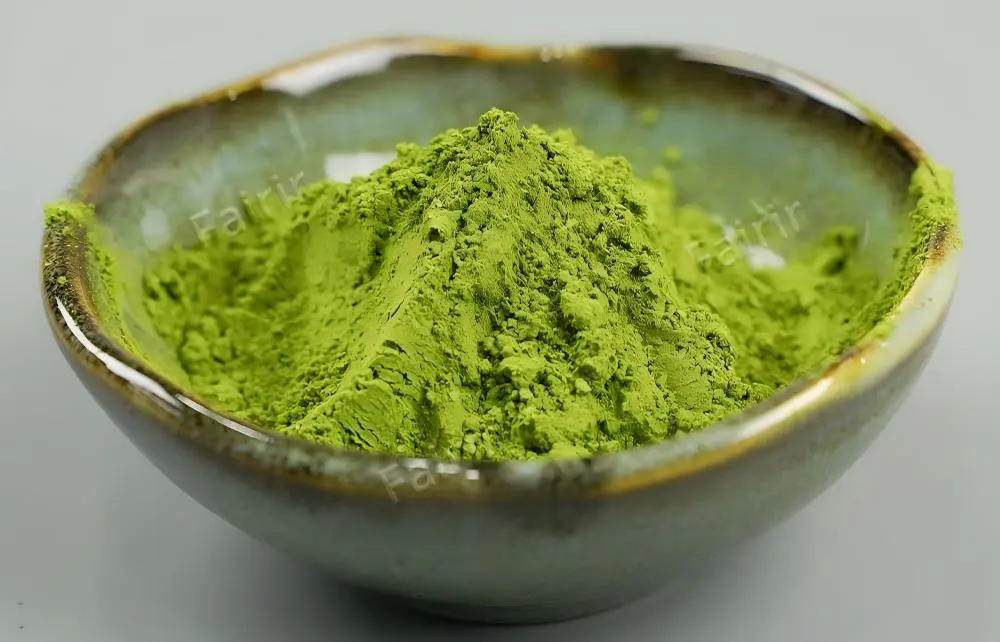
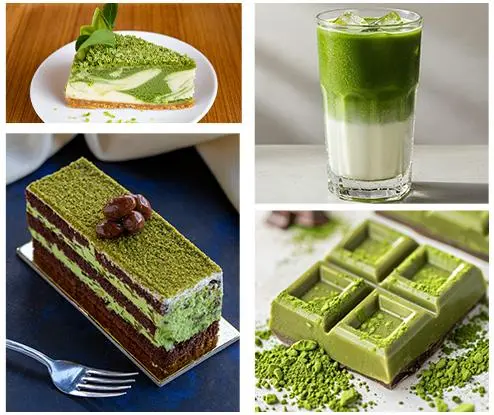
Matcha Powder makes regular baked goods into colorful, healthy treats that appeal to contemporary consumers. This finely ground green tea powder goes well with cookies, cakes, muffins, and breads. It adds earthy umami notes and beautiful emerald colors. In addition to looking good, it adds natural energy, vitamins, and L-theanine to meals. Commercial bakers and food makers depend on culinary-grade types more and more to keep costs down while maintaining taste consistency. This makes it an important ingredient for product innovation in today's market.
What Is Matcha Powder and Why Is It Ideal for Baking?
Origins and Production Process
Matcha Powder comes from Camellia sinensis leaves that were grown in the shade and under controlled lighting conditions for about 20 to 30 days before they were picked. By using this filtering method, the amount of chlorophyll goes up along with the levels of amino acids, especially L-theanine. This helps give the powder its smooth, slightly sweet taste. Once the leaves are picked, they are steamed, dried into tencha, and then stone-ground at low temperatures to keep the volatile odor chemicals and fragile nutrients.
Ceremonial versus Culinary Grades
Knowing the differences between grades helps sourcing workers choose the right matcha for each baking job. Powder that is meant to be used in traditional tea rituals and high-end retail goods has a bright color and a refined taste. Higher-quality matcha has stronger flavors, so it can be used in recipes where the stronger flavors are balanced by heat and other ingredients that go well with it. The second choice is more cost-effective while still having useful benefits that make it widely used in commercial baking activities.
Nutritional and Functional Advantages
Matcha Powder has a lot of vitamins, especially catechins like epigallocatechin gallate, which can withstand low baking temperatures and help with the clean label movement. People who want a natural way to boost their energy without using fake stimulants will like that it has a mild amount of caffeine.
How to Use Matcha Powder Effectively in Baking Recipes
Recommended Substitution Ratios
When adding matcha to regular recipes, balanced substitution keeps the structure intact while getting the desired level of flavor strength. As a general rule, you should replace 5 to 10 grams of flour for every 100 grams of dry ingredients with Matcha Powder. You can change this amount based on the color intensity and flavor intensity you want. This amount keeps the sharpness from being too strong while making sure it's spread out evenly in the batter or dough. When making things for sale, accurate measurements are even more important because batch consistency has a direct effect on customer happiness and company image.
Blending and Mixing Techniques
Using the right methods for integration stops clumping and makes sure that the colors are spread out evenly. Matcha Powder has very small particles (5 to 15 microns), which can stick together when they come in contact with water. Sifting it with other dry ingredients before adding the liquid helps control this. When you mix the powder with a little warm water, you get a smooth paste that is easier to mix into cakes. These steps improve the quality of the suspension and the way the product feels in the mouth. The result is professional work that meets high standards of quality in production settings.
Managing Flavor Profiles Across Product Categories
Adding matcha to different baked goods needs a different method. Matcha's green notes can be toned down by mixing it with white chocolate or vanilla in cookies. Cakes are balanced by using fats that go well together, like butter or cream, which smooth out bitter tastes and make textures softer. Matcha is often mixed with honey or miso in bread recipes to make savory-sweet flavors that show how versatile the ingredient is. Leading food companies use these pairing strategies to come up with unique goods that set their lines apart and appeal to new groups of customers.
Comparing Matcha Powder Variants for Procurement Decisions
Cost-to-Performance Trade-offs
Due to strict standards for growing and processing, ceremonial matcha is very expensive. This means that it can't be used in large-scale baking operations unless they are making very expensive products. Similar functional benefits are provided by culinary-grade powder, such as color stability, antioxidant retention, and taste addition. However, it costs a lot less, usually between 30% and 60% of the price of ceremonial powder, based on where it comes from and its certification status. When setting their goal market positioning and margin structures, procurement teams have to decide if small changes to the flavor are worth the extra cost.
Organic Certification and Compliance Requirements
More and more people want products that aren't made with pesticides, and organic Matcha Powder meets the rules in both European and American markets. For USDA and EU organic approvals, you need to show a lot of paperwork about how the food was grown, how it was processed, and how it can be tracked. Non-organic versions can still be used in cost-effective situations where certification fees get in the way of price plans. But approved organic options are becoming more and more of a competitive edge as clean-label trends spread across all age groups, especially among health-conscious Gen Z and millennials.
Supplier Selection Criteria
For sources to be reliable, batch uniformity, analytical testing skills, and the ability to handle logistics must all be checked. The best sellers give specific details like the range of particle sizes, the minimum amount of moisture (4% or less), and the minimum amount of catechins (more than 5% by weight). High Performance Liquid Chromatography, UV spectrophotometry, and other analysis tools that confirm phytochemical profiles should be used to show quality control procedures. Manufacturing standards like GMP compliance and well-established delivery networks that make sure storage is kept at the right temperature set trustworthy partners who can support long-term purchasing relationships.
Optimizing Matcha Powder Performance in Product Formulation
Techniques for Bitterness Mitigation
Smartly pairing ingredients can balance out matcha's natural sourness without taking away from its unique flavor. Adding honey, agave, or coconut sugar or other sweeteners lowers lines and makes things look smoother. Using dairy or plant-based fats to make emulsion systems coats taste receptors, making it easier to feel less bitter. Changing the baking temperatures and times is also important. Too much heat makes bad tastes stronger, while temperatures between 160°C and 180°C protect delicate aromas. With these changes to the formula, R&D teams can make profiles that are more fair and appeal to a wider range of customers.
Antioxidant and Color Stability
In normal baking conditions, matcha's catechins are very stable at high temperatures; after 20 to 30 minutes at regular oven temps, they still have about 70% to 85% of their original concentration. This toughness backs up practical claims and shelf-life performance. Chlorophyll oxidation causes the green color to fade over time, so oxygen-barrier packing is necessary to keep the fruit's good looks. When quality assurance workers understand how things break down, they can set the right shelf life limits and storage suggestions to keep the integrity of the product from production to user use.
Bulk Handling and Packaging Best Practices
Paying attention to external factors is important for keeping matcha fresh while it is being stored and shipped. Light, heat, and wetness all speed up the breakdown of food by oxidation and enzymes, which lowers both its taste and nutritional value. Vacuum-sealed foil packaging keeps air out as much as possible, and storing food below 4°C in the fridge makes it last up to 12 months or longer. Automated dispensing systems in factories lower the risk of pollution and make sure that the right amount of product is used at all times, which supports standard production processes. These rules make sure that the quality of the ingredients is maintained along very complicated supply chains that connect many production sites or routes of distribution.
Market Trends and Opportunities in Matcha Powder Baking Products
Rising Demand for Natural Functional Ingredients
Consumer studies show that the demand for plant-based, lightly processed foods that are good for you is growing steadily. Matcha Powder fits right in with clean-label movements because it is clear where the ingredients come from and how they are processed, which appeals to shoppers who are tired of fake ingredients. Market predictions say that matcha-infused baked goods will grow at rates higher than 9% per year until 2028. This is because of health trends and people's desire to eat in new ways. This trend opens up a lot of possibilities for brands that are willing to put money into making new products and teaching customers about them.
Innovation Opportunities for OEM Clients
With customization options, OEM partners can create unique matcha-based solutions that fit regional tastes and new market niches. Gluten-free matcha cookies, vegan matcha croissants, and protein-rich matcha energy bars are all examples of new products that meet specific nutritional needs while still using matcha's natural attraction. With private labeling services, wholesalers can quickly enter new markets without having to train their own formulators. This cuts down on the time it takes to get products to market and the amount of money that is needed. Working together with skilled ingredient sources shortens the time it takes to make new products and improves the economics of formulations.
Competitive Advantages Through Strategic Ingredient Sourcing
When purchasing managers find dependable matcha suppliers, they can improve their strategic placement by ensuring regular quality delivery and predictable costs. Spot markets are less likely to be affected by price changes and supply problems when they have long-term contracts with approved makers. Access to a wide range of extracts from different types of tea, processing methods, and certification levels makes it possible to use product diversity strategies that adapt quickly to changing customer tastes. These relationships turn buying ingredients from a one-time purchase into a strategic way to create value, which makes businesses more competitive in crowded markets.
Conclusion
Matcha Powder has gone from being a niche specialty ingredient to an everyday baking essential thanks to its impressive health benefits, beautiful appearance, and ability to add a wide range of flavors. For a business to be successful, it needs to make smart choices about grade selection, supply partnerships, and recipe optimization. Understanding scientific details like particle size, moisture content, and catechin concentration helps buying teams balance the need for quality with the need to stay within budget. As the market for functional foods grows and clean-label trends get stronger, smart matcha integration can help brands that are committed to new ideas and customer happiness stand out.
FAQ
What distinguishes ceremonial from culinary matcha in baking applications?
Ceremonial matcha has a brighter color and a better taste, but its high price doesn't make it worth using in baked goods, where heat and other ingredients can hide small differences. Similar health benefits and strong flavors can be found in culinary matcha, but it is much cheaper. This makes it the smart choice for industrial baking companies that don't want to skimp on taste or nutrition.
How much matcha should replace flour in standard recipes?
Usually, you can use 5 to 10 grams of matcha instead of 100 grams of dry ingredients. You can change this amount depending on how strong you want the taste and color to be. This proportion keeps the structure strong without making it too bitter. Before mass production, commercial recipes often test in small batches to find the best amounts.
Where can procurement teams source bulk matcha powder for commercial baking?
Suppliers you can trust show that they have GMP approval, the ability to do analytical testing, and clear quality paperwork. Look at suppliers who offer thorough specs, such as the distribution of particle sizes, a moisture content of less than 4%, and confirmed catechin concentrations. Established makers with temperature-controlled shipping and quick customer service reduce the risks of buying things and help keep partnerships stable over the long term.
Partner with Fairir for Premium Matcha Powder Solutions
Shaanxi Fairir Biotech Co., Ltd. runs a 10,000-square-meter GMP-certified lab with cutting-edge HPLC and UV spectrophotometry technologies for analysis and extraction. This makes sure that all batches are the same and that the company follows all the rules. Our source of culinary-grade Matcha Powder can make custom blends, private-label products, and bulk amounts that can be changed to fit different production sizes. We offer a stable supply and quick technical help. Our two fully automated production lines have an extraction rate of 98%. Get samples, talk about specs, and find out how our Matcha Powder can improve your baking products by emailing sales@fairirbiotech.com.
References
1. Chen, Y., & Wang, M. (2021). Thermal Stability of Catechins in Matcha During Baking Processes. Journal of Food Science and Technology, 58(4), 1423-1431.
2. Yamamoto, T., & Sato, K. (2020). Cultivation and Processing Techniques for High-Quality Matcha Production. Tea Research Quarterly, 15(2), 89-102.
3. Roberts, L. (2022). Consumer Preferences for Functional Ingredients in Bakery Products: A Market Analysis. Food Industry Insights, 12(3), 45-59.
4. International Tea Committee. (2023). Global Matcha Market Trends and Forecasts 2023-2028. London: ITC Publications.
5. Zhang, H., & Liu, J. (2021). Quality Assessment Standards for Commercial Matcha Powder. Asian Journal of Agricultural Research, 9(1), 112-125.
6. Peterson, R., & Martinez, C. (2022). Formulation Strategies for Matcha-Infused Baked Goods. Bakery Technology Review, 18(4), 201-215.