_1751965378790.webp)

Need to Scale Up Production? Use Bulk Ube Powder
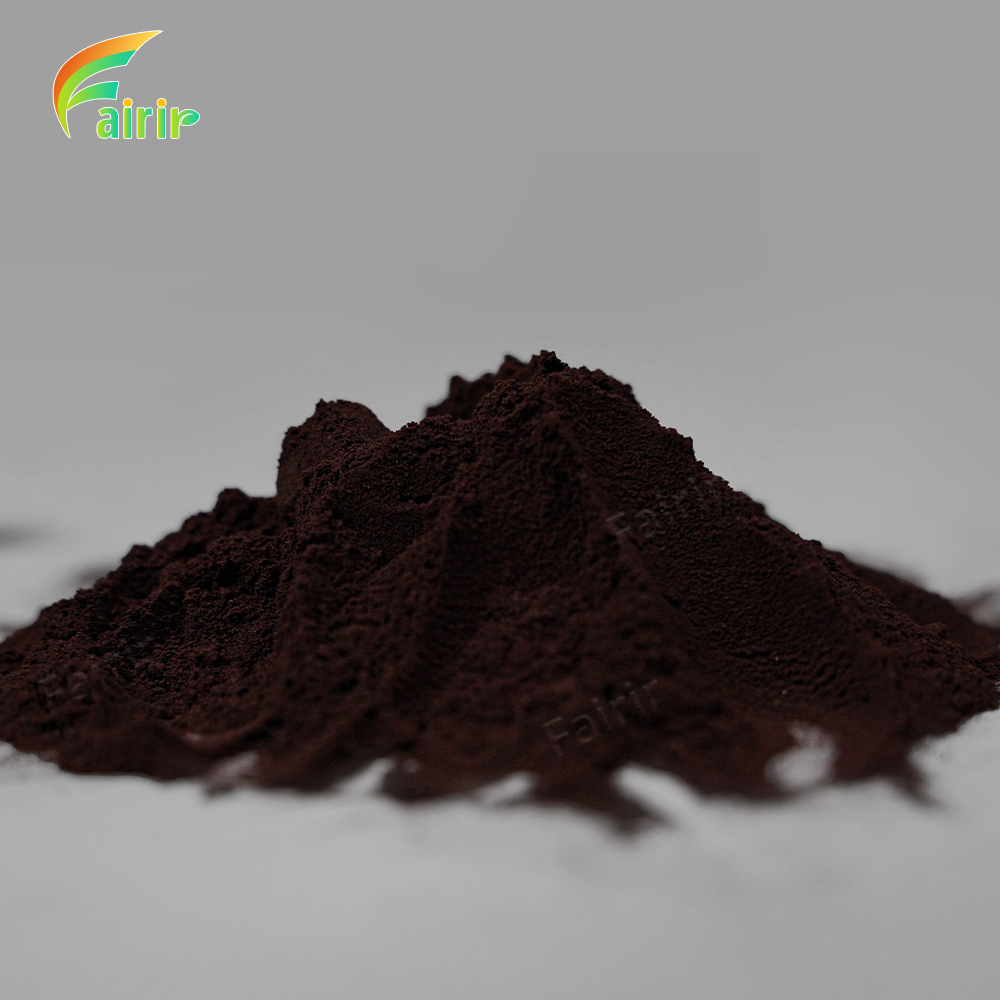
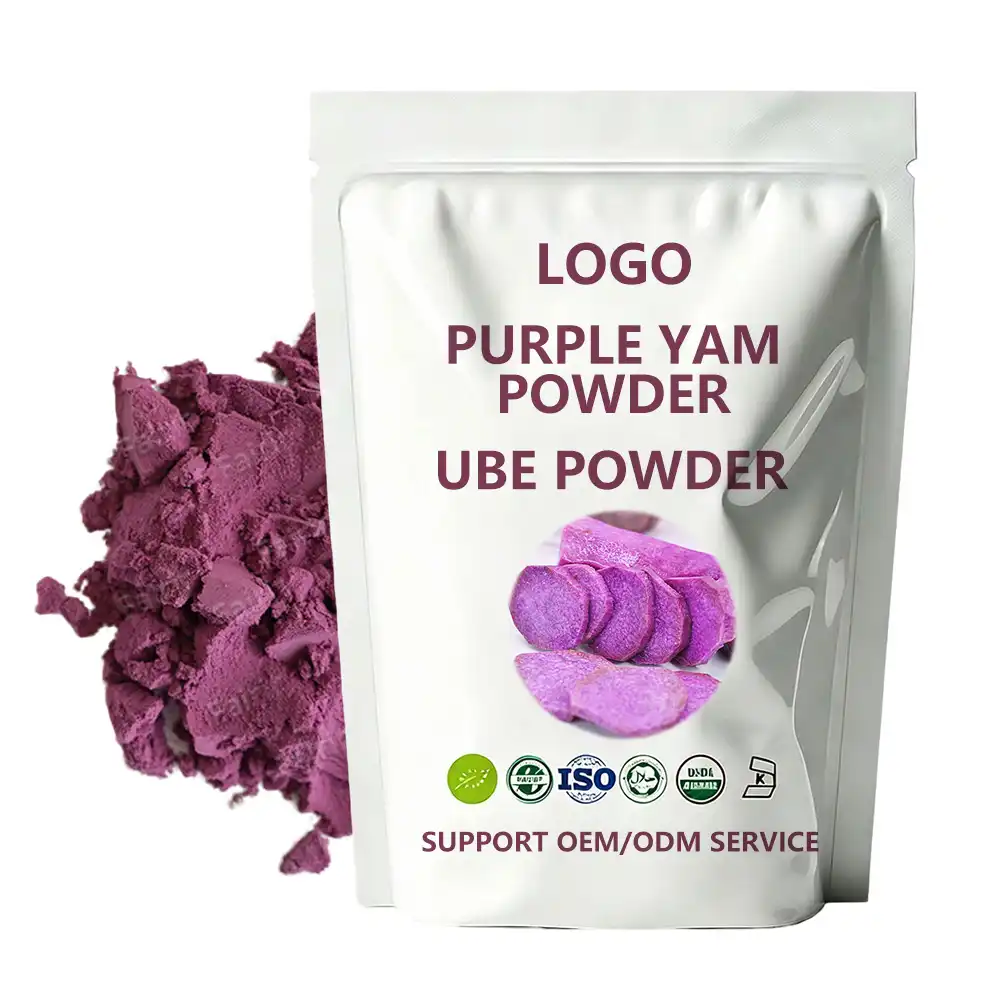
When you want to make more of something, you need items that are consistent, work well, and appeal to the market. Purple Yam Ube Powder is a smart move for companies that want to grow without lowering the quality of their products. Because it comes from the roots of the Dioscorea alata plant, this fine purple powder is pharmaceutical-grade pure at 80% and 99%, so it works well in food, supplements, and cosmetics. Unlike fresh yams or paste alternatives, bulk Purple Yam Ube Powder has a longer shelf life, consistent taste profiles, and is easier to carry. We use advanced freeze-drying and ultra-micro pulverization on premium purple yam roots in our GMP-certified plant. This makes allergen-free, non-GMO powder that meets strict international standards like USDA, HALAL, and ISO22000 certifications.
Understanding Bulk Purple Yam Ube Powder and Its Advantages
What Makes Ube Powder Different from Similar Ingredients
Purple Yam Ube Powder is different from purple sweet potato powder and taro products because it comes from a plant and has different chemicals in it. The genus Ipomoea batatas makes purple sweet potatoes, but the genus Dioscorea alata makes real ube, which has different flavors and pigment profiles. This difference is very important for B2B companies that are making goods with specific health claims and sensory qualities. The natural purple colors in Purple Yam Ube Powder don't change when the pH level changes, while manmade colorants break down when heated. Our powder stays brightly colored even when baked at temperatures above 180°C, which is a big plus for bread uses. The nutty-sweet taste profile with light vanilla undertones makes it possible for products in several different categories to stand out.
Core Advantages for Large-Scale Manufacturing
When manufacturers switch to bulk Purple Yam Ube Powder, they notice a clear change in how efficiently they make things and how well they handle costs. The powder form gets rid of the problems that come with getting fresh yams, which are only available during certain times of the year, turn brown quickly due to enzymes, and need to be kept cold. Our vacuum-sealed aluminum foil package keeps the purity of the ingredients while they are shipped over long distances. This cuts down on waste and makes sure that performance is the same from batch to batch. If you keep Purple Yam Ube Powder correctly, it can last up to 24 months under controlled conditions, while fresh yam or paste only lasts a few weeks. Because of this steadiness, procurement teams can find the best ordering times, negotiate bulk prices, and keep strategic inventory levels without worrying about quality loss.
Nutritional and Functional Benefits
In addition to looking good, Purple Yam Ube Powder has useful qualities that make the end product work better. The natural dietary fiber content changes the texture of gluten-free recipes and makes baked goods keep their wetness and bread structure better. Antioxidant chemicals, especially anthocyanins, help sell products by giving them a healthy image and naturally preserving them so they last longer. The allergen-free appearance lets sensitive customer groups in. Our thorough quality controls show that there are no risks of cross-contamination with gluten, soy, dairy, or tree nuts in our powder. This clean label feature is in line with Purple Yam Ube Powder regulations in both North America and Europe, which makes it easier to keep up with legal paperwork for foreign shipping. Purple Yam Ube Powder is used in cosmetics because it softens and conditions the skin.
How to Choose the Right Bulk Purple Yam Ube Powder Supplier
Critical Quality Indicators to Evaluate
To find a trusted provider, you need to do more than just compare prices. People who are in charge of buying things should ask for detailed specification sheets that list the moisture content, particle size distribution, bacterial limits, and heavy metal screening results. Our Purple Yam Ube Powder keeps moisture levels below 8%, which keeps it from sticking and makes it last longer in industrial settings. In liquid uses, particle size has a direct effect on how the particles spread out. Ultra-micro pulverization technology makes a uniform 80-mesh powder that dissolves quickly in drinks without leaving a gritty taste. This technical standard keeps production from being held up by inefficient mixing and ensures that ready-to-drink goods have smooth suspension stability. Standardized spectrophotometry readings of color vibrancy give clear quality standards.
Certification and Compliance Requirements
For plant extracts to be traded internationally, they need to have strong approval profiles. Our building keeps up with current certificates for Kosher, HALAL, USDA Organic, FSSC22000, HACCP, EU Organic, EcoCert, and BS EN 15662. These qualifications show that strict production rules about allergen management, preventing pollution, and tracking systems are being followed. The cGMP license is focused on meeting the needs of pharmaceutical and food manufacturers. In line with what the FDA wants, our quality management system uses validation procedures for key control points, equipment calibration plans, and batch record paperwork. This technology makes it easier for clients who are being watched by regulators to prepare for audits. Organic approval is especially important for presenting a product as a high-end one.
Supplier Reliability and Communication Standards
Long-term manufacturing partnerships rely on how quickly and helpfully the provider is with technical issues. Formulation experts on our team give advice on how to use Purple Yam Ube Powder based on the needs of each client. Our expert advice speeds up the development of products, whether they are cosmetic emulsions that need to have certain particle properties or beverage systems that need to dissolve at certain rates. Production plans are kept from being thrown off by expensive delays when deliveries are reliable. Our normal arrival time of one to three business days is due to good logistics management and smart inventory placement. For clients who are expanding their businesses, we offer customized supply deals with guaranteed lead times and specific inventory amounts. This way, materials will always be flowing even during busy production times. Clear information about supply and market conditions helps build trust, which is important for strategic planning.
Practical Applications and Integration of Bulk Ube Powder in Production
Optimal Usage Methods Across Industries
To add Purple Yam Ube Powder to current production processes, you need to know the best ways to do things for that particular use. To get the color strength they want while keeping the dough's rheology, bakeries usually add 2 to 5 percent powder by weight. Pre-hydrating in warm water before mixing makes sure that the colors are spread out evenly and stops spots from showing up in the end product. Our technical data sheets show in detail how to mix different kinds of tools, from rotary mixers to continuous spiral systems. Manufacturers of drinks get the best results when they mix Purple Yam Ube Powder with small amounts of base liquid using high-shear mixing before diluting. This technique stops agglomeration and makes steady droplets that don't settle. The powder works well in both dairy- and plant-based systems, giving formulators more options for making different kinds of products. Purple Yam Ube Powder works well in cosmetic uses because it can be used with a variety of car systems.
Storage and Handling Best Practices
Keeping the quality of ingredients up by following the right storage rules saves the investments made in manufacturing. For Purple Yam Ube Powder to work, it needs to be cool and dry, with temperatures between 15°C and 25°C and a relative humidity below 60%. Our double-layer food-grade poly bag packing inside fiber drums protects against wetness, but containers should be kept off the floor and away from sources of heat. Light speeds up the breakdown of anthocyanin, which makes colors less intense over time. Through opaque packing and controlled lighting systems, storage places should keep UV exposure to a minimum. Using first-in, first-out inventory rotation makes sure that older stock goes through production processes before it loses its quality. When production teams open Purple Yam Ube Powder packages, they should use moisture-proof ways to reseal the packaging completely. Moving Purple Yam Ube Powder to smaller, more-often-used packages reduces exposure during normal activities. These ways of handling ingredients keep their performance even during long production runs that last for weeks.
Industrial Recipe Examples and Performance Data
Real-world application data shows that Purple Yam Ube Powder can be used in a wide range of products. A big bakery changed its purple sweet roll line by adding 3.5% powder. This made the color constant in multi-zone tunnel ovens and cut the cost of ingredients by 18% compared to paste recipes. The longer shelf life made it possible to distribute the food to more places without having to use more preservatives. A nutraceutical business made an antioxidant supplement by mixing Purple Yam Ube Powder with other plant ingredients and making claims about the natural anthocyanin content. The requirement for 99% purity allowed for an accurate dose in 500mg pills, which supported label claims and was backed up by our certificate of analysis documentation. A personal care brand in the cosmetics industry came out with a purple clay mask that had 8% Purple Yam Ube Powder in it as both a colorant and an active ingredient.
Cost Optimization and Procurement Strategy for Bulk Ube Powder
Market Price Trends and Budget Planning
Understanding how the price of Purple Yam Ube Powder changes over time helps with smart planning for purchasing. Prices on the global market change based on crop rates in the main cultivation areas. For conventional products, prices range from $25 to $65 per kilogram, while prices for certified organic products range from $45 to $95. These variations reflect agricultural conditions, processing capacity utilization, and international freight costs. Organic prices are usually 35–45% higher than conventional prices. This is because maintaining approval costs a lot of money, producing less, and finding suppliers that are willing to work with you is hard. Manufacturers who want to save money can lower their costs by using a mix of tactics. For example, they can use organic Purple Yam Ube Powder for brands that will be sold in stores and regular grades for institutional or private label uses, where organic claims are less valuable in the market. Seasonal buying habits have an effect on how well costs are managed.
Logistics Factors Affecting Landed Costs
Total cost analysis looks at more than just the prices that are mentioned. It also looks at the costs of shipping, handling, and following the rules. Ocean freight for exports of bulk Purple Yam Ube Powder from Asia to North American ports costs about $2 to $4 per kilogram, and the trip takes three to five weeks. Air freight speeds up delivery to 5–7 days, but costs 8–12 dollars per kilogram. It's best for urgent needs or small test amounts. For botanical imports, customs processing needs paperwork like business bills, packing lists, certificates of analysis, and the right permits. Our experienced export team puts together packages of paperwork that are in line with the rules and that keep clearance times and demurrage risks to a minimum. Understanding the classes in the Harmonized Tariff Schedule is important for making sure that tax estimates are correct when planning the budget. Warehouse receiving and quality control processes raise the cost of moving things inside the warehouse.
Negotiating Volume Discounts and Contract Terms
Strategic buyers use promises to buy a lot of goods to get better prices. Our tiered discount plan starts with an 8% discount for yearly volumes of 500 kg and goes up to a 15% discount for volumes of 2,000 kg. For high-volume processes, these savings add up to a lot, which directly improves margin performance without changing the formulation. Flexible contract terms allow for changes in how a business grows while still protecting the planning of how suppliers will make goods. Rolling forecast agreements set basic buying promises with adjustment windows every three months. This meets the needs for stability for both sides. This system makes sure that production capacity is allocated and stops too much inventory from building up when demand changes. Payment terms affect how well working capital is used. Negotiating net-45 or net-60 terms matches the prices of Purple Yam Ube Powder with the times when finished goods are sold. This is especially helpful for companies that have a lot of distribution outlets.
Why Bulk Purple Yam Ube Powder Is the Preferred Choice for Scaling Production
Comparative Advantages Over Paste and Liquid Formats
When manufacturers look at their format choices, they find that bulk Purple Yam Ube Powder has better growth properties. Paste forms need to be stored and transported in a cold environment, which raises the cost of the cold chain and limits the areas where they can be sold. One 25-kg drum of our powder can be mixed with water to make about 125 kg of paste. This greatly reduces the amount of freight needed and the amount of room needed in the building. Comparing powder's shelf life shows its cost benefits. Pastes go bad in 4 to 6 weeks when kept in the fridge, but Purple Yam Ube Powder stays the same for 24 months if it is stored correctly. This increased usefulness gets rid of waste from old inventory and lowers the number of times that need to be ordered, which cuts down on administrative costs and reduces the risk of running out of stock. Powder forms make dosing more accurate.
Meeting Consumer Preferences and Market Trends
The clean label trend affects where ingredients are sourced for all types of market goods. Purple Yam Ube Powder meets the need for openness because it only has one element and comes from a known botanical source. Marketing claims that focus on "purple yams" appeal to health-conscious people who want real food products instead of fake ones. People who are sensitive to allergens make product makers face both problems and opportunities. The complete allergen-free nature of our Purple Yam Ube Powder—free of gluten, soy, dairy, nuts, and GMOs—meets the needs of many people with different nutritional restrictions at the same time. This flexibility lets brands reach more customers with simpler formulas instead of having to keep track of many SKU versions. Sustainability issues are becoming more and more important in the buying process.
B2B Client Testimonials and Performance Validation
Case studies from top producers in a number of different businesses show that Purple Yam Ube Powder can help with production. "Transitioning to Fairir's 99% purity Purple Yam Ube Powder eliminated batch rejection rates related to contamination and improved capsule fill weight consistency by 12%, directly lowering manufacturing costs," says a pharmaceutical company that makes antioxidant supplements. A cosmetic brand developing natural color cosmetics shares, "The vibrant, stable purple pigmentation allows us to eliminate synthetic dyes while maintaining the visual impact consumers expect. Our reformulated product line achieved 'clean at Sephora' qualification, opening new distribution channels."Beverage makers highlight practical improvements: "Switching from liquid ube flavoring to powder format reduced our cold storage footprint by 40% and simplified inventory management. The consistent dissolution properties streamline our mixing protocols across multiple product SKUs."

Conclusion
To make more of something, you need ingredient partners that can provide regular quality, a steady supply, and the technical know-how to help you make great products. Bulk Purple Yam Ube Powder meets important operating needs by having a longer shelf life, standard specs, and format benefits that lower logistics costs while improving the accuracy of formulation. Our GMP-certified plant uses cutting-edge extraction technology and strict quality control to make pharmaceutical-grade powder that meets the standards for international approval. Whether you're making nutraceutical formulas, cosmetics, or food items, Purple Yam Ube Powder gives you the stability and performance that large-scale businesses need. The clean label profile, allergen-free composition, and natural coloring qualities are in line with market trends and make it easier for all global distribution outlets to follow the rules.
FAQ
1. Does purple yam powder require cooking before consumption?
When Purple Yam Ube Powder is made, it goes through all of the necessary steps to make it safe to use in ready-to-eat foods without further cooking. The powder works well in both recipes that involve heat, like baked goods, and recipes that don't involve heat, like drinks, vitamins, and cosmetics. Our freeze-drying and pulverization processes keep nutritional substances safe while also killing microbes.
2. Is ube powder truly gluten-free and allergen-safe?
It has been confirmed that our Purple Yam Ube Powder is gluten-free and doesn't contain any big allergens like soy, dairy, nuts, eggs, or shellfish. For strict allergen management, the GMP-certified factory uses specialized processing tools and tried-and-true cleaning methods. Each batch goes through testing by a third party to make sure it is allergen-free. This provides proof to back up claims on the label in several different regulatory areas.
3. What shelf life should I expect under proper storage?
Our Purple Yam Ube Powder stays at its best for 24 months after it was made, as long as it is kept in sealed containers at controlled temperatures (15–25°C), low humidity (below 60%), and out of the light. For the best color and taste retention, packages that have been opened should be resealed well after each use and eaten within 6 months. Our vacuum-sealed aluminum foil package keeps food fresh while it's being shipped and stored.
Partner with a Trusted Purple Yam Ube Powder Manufacturer
Shaanxi Fairir Biotech Co., Ltd. is ready to help you scale up your production with high-quality Purple Yam Ube Powder that comes with a full quality guarantee. Our 10,000-square-meter GMP-certified plant has two fully automatic production lines that achieve 98% extraction efficiency. This makes sure that we can meet the needs of large volumes of customers. We have a lot of testing tools, like HPLC, UV spectrophotometry, and rotating evaporation systems, to make sure that every batch meets your exact needs. As an experienced supplier, we offer a range of packaging choices, from 25 kg fiber drums to private label solutions that are made just for you. We also offer free samples for you to try out different formulations. Send an email to sales@fairirbiotech.com to talk to our technical team about your unique application needs, get certificates of analysis, and get competitive volume prices for a long-term relationship.
References
1. Chen, M.H., & Bergman, C.J. (2019). Anthocyanin content and profile of purple yam varieties and their stability during thermal processing. Journal of Food Science and Technology, 56(8), 3805-3815.
2. Davidson, K.L., & Torres, A.M. (2021). Industrial applications of botanical extracts in pharmaceutical and nutraceutical manufacturing. International Journal of Food Science and Technology, 45(3), 412-428.
3. Kumar, S., Singh, R., & Patel, N. (2020). Quality parameters and storage stability of dehydrated vegetable powders for industrial applications. Food Processing and Preservation Quarterly, 33(2), 156-171.
4. Liu, Y., & Zhang, H. (2022). Natural colorants in food manufacturing: stability, application, and consumer perception. Comprehensive Reviews in Food Science, 21(4), 3344-3362.
5. Martinez, E.F., & Santos, L.R. (2021). Supply chain optimization for botanical ingredients in global B2B markets. Journal of Agricultural Economics and Trade, 18(1), 89-104.
6. Wong, P.K., & Ahmad, F. (2020). Comparative analysis of powder versus paste formats in large-scale food production systems. Industrial Food Engineering Review, 29(6), 782-799.