_1751965378790.webp)

Why Are Brands Choosing Bitter Melon Powder Today?
Bitter Melon Powder, which comes from Momordica charantia, is becoming more popular as a strategic ingredient because it provides concentrated bioactive chemicals like charantin and polypeptide-k through spray or freeze-drying methods that are cheap. This functional plant meets the need for natural ways to control glucose in the blood while also being flexible enough to be used in nutraceuticals, skincare, and functional foods. Manufacturers can now decrease bitterness using advanced microencapsulation technologies. This makes it possible to use these ingredients in more consumer-friendly forms, like drinks and meal alternatives, without affecting their effectiveness.
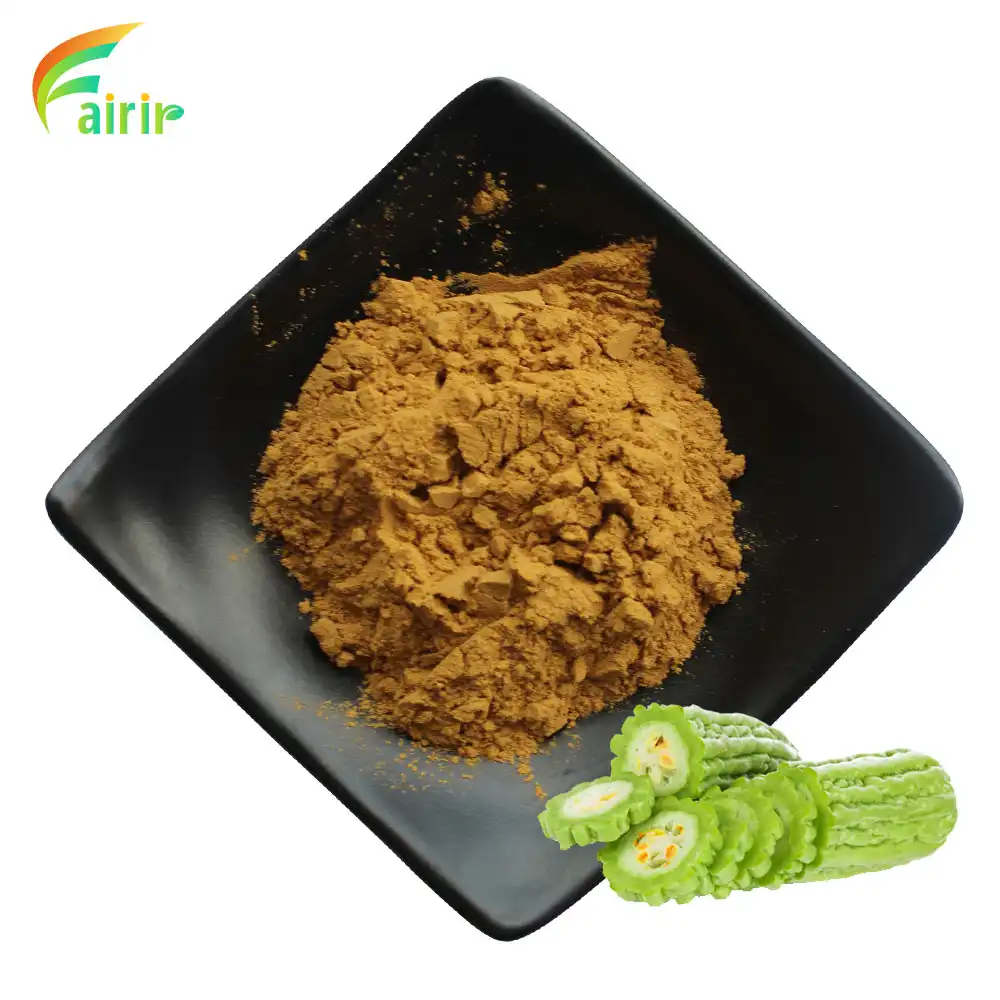
Understanding Bitter Melon Powder and Its Market Potential
Production Methods That Preserve Bioactive Integrity
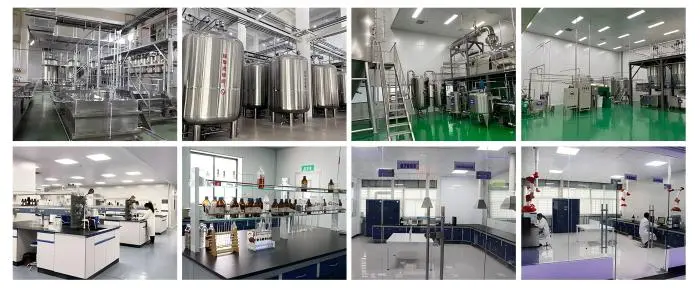
To turn fresh bitter gourd into powder, exact processing methods are needed, which determine the quality of the finished product. To keep heat-sensitive substances from going bad, manufacturers usually use spray drying or freeze-drying. Spray drying quickly removes wetness at controlled temperatures, keeping the amount of vitamins C and A intact while making fine particles that are perfect for encapsulation. Freeze-drying is more expensive, but it keeps more of the enzymes and vitamins that are easily lost through sublimation methods. At Shaanxi Fairir Biotech, we use vacuum belt drying tools and ultra-micro pulverization systems to make particles that are all the same size, which is between 80 and 120 mesh. This standardization makes sure that liquid formulations dissolve at the same rate and that final goods will have the bioavailability that was expected. The 14 stainless steel tanks, which range in size from 500 to 3,000 liters, allow exact temperature and pressure control during the extraction phase. This has a direct effect on the yield and purity levels of charantin.
Nutritional Profile Driving Commercial Adoption
Bitter Melon Powder is very useful for metabolic health because of the way its compounds are structured. Besides charantin, the powder also has cucurbitane triterpenoids that turn on the AMPK pathway. This is linked to better insulin sensitivity. The Journal of Ethnopharmacology released a clinical study that shows that taking 2,000 mg every day lowers fasting blood sugar by an average of 15-20% in people who are prediabetic over 90 days. The ORAC number for this nutrient usually falls between 8,000 and 12,000 μmol TE/100g, which puts it in the same league as acai and goji berry powders in terms of antioxidant capacity. The fiber content—about 18–22% by weight—backs up claims about digestive health and helps weight control products work by making you feel full. Mineral makeup has high levels of zinc and iron, which make up for micronutrient deficits that are common in people who eat a plant-based diet.
Emerging Applications Across Industry Sectors
Pharmaceutical companies use Bitter Melon Powder in combination treatments that aim to treat metabolic syndrome. The polypeptide-k part has shown promise in animal tests as an addition to metformin, which could mean lower drug doses are needed. Nutraceutical companies mix it with chromium picolinate and alpha-lipoic acid in glucose support products that are sold to people who want to avoid getting Type 2 diabetes. Its anti-inflammatory qualities are used by cosmetic companies on the skin. Dermatological tests have shown that the momordicin chemical works to reduce sebum production and inflamed acne areas. Skincare lines that target hyperpigmentation use vitamin C and natural plant acids to gently exfoliate the skin. Food companies add small amounts to functional drink mixes and mix them with stevia and lemon flavors to hide the bitter taste while still giving ready-to-drink versions of metabolic benefits.
Why Brands Prefer Bitter Melon Powder Over Other Forms
Cost-Efficiency and Shelf Stability Advantages
Bitter Melon Powder is the best form of the ingredient for B2B buying teams in terms of value measures. Liquid extracts need to be kept cool and lose their effectiveness after 12 to 18 months, which makes managing goods harder and raises the cost of shipping. Capsules add steps to the production process and costs for the cellulose material without improving absorption. Similar problems with steadiness happen with juice concentrates, which need cold chain equipment. Powder that has been properly handled stays effective for 24 to 36 months when stored in packaging that keeps out moisture and air. Because the food stays fresh longer, there is less waste, and you can buy in bulk when prices are low. The cost of shipping goes down a lot because one container of powder has the same amount of active ingredients as three containers of liquid extract. Our fully automatic production lines make production 98% more efficient. This means that we can offer reasonable prices and make long-term supply deals with importers and distributors.
Formulation Flexibility Enabling Product Innovation
The powder form lets you precisely control the dose, which is very important for clinical-grade vitamins. Research and development organizations that try different concentration levels, like being able to precisely measure milligram amounts for their experiments. This level of accuracy is hard to achieve with liquid forms because mistakes in pipetting and settling make it hard to repeat. To get the right hardness and dissolving rates, tablet makers mix the powder with fillers like magnesium stearate and microcrystalline cellulose. For on-the-go health goods, beverage makers use the powder in stick pack forms. The spread of particle sizes we get from ultra-micro pulverization makes sure that the whole thing dissolves in water without leaving a crunchy taste. Smoothie makers mix it with spinach and spirulina in freeze-dried blends to make meal replacements that are high in nutrients. Companies that make personal care products mix it into cream bases and serums because it doesn't separate phases when mixed that way evenly.
Certification Impact on Market Positioning
For buyers in North America and Europe, organic approval has gone from being a luxury to something they accept as standard. Organic guidelines in the EU and the USDA require proof of pesticide-free farming, non-GMO seed sources, and checks of the processing plant. Brands like Himalaya and Nature's Way put these approvals in a visible place on their packages, which directly affects what customers buy and lets companies charge higher prices. Third-party testing by ISO 17025-accredited labs adds to the reliability. One part of our quality control procedures is HPLC analysis, which checks that the amount of charantin in the sample falls within certain ranges (1–5%, based on customer needs). Heavy metal screening makes sure that the levels of lead, cadmium, and arsenic are within the limits set by California Proposition 65 and the European Pharmacopoeia. Testing for microbes shows that the total plate numbers are less than 10,000 CFU/g and that E. coli is not present. E. coli and Salmonella, and it meets the safety standards of both the FDA and the EFSA.
Procurement Considerations for B2B Buyers: Ensuring Quality and Value
Supplier Selection Criteria for Risk Mitigation
Pharmaceutical businesses look for GMP-certified factories when they are looking for botanical sources. Every year, our 10,000-square-meter plant is audited to make sure that environmental controls, equipment testing records, and training records for employees are correct. The constant countercurrent extraction equipment allows solvent recovery rates of more than 95%. This has a positive effect on the environment and saves money, which are two things that are becoming more and more important to business sustainability officers. For batch-to-batch accuracy, scientific methods must be tried and tested. We keep UV spectrophotometer methods that are compared to real bitter melon standards from the American Herbal Pharmacopoeia. Standard Operating Procedures (SOPs) for rotary evaporators were created after method validation studies showed that key marker chemicals could be repeated within ±3% of the first time. This level of analytical rigor backs up regulatory reports for NDI notices and new food applications in places that Bitter Melon Powder needs premarket approval.
Pricing Models and Procurement Strategies
When you buy Bitter Melon Powder in bulk, you usually have to place an order of at least 500 kg, and the prices go up as you commit to more volume. Wholesale outlets give wholesalers a moderate amount of freedom while still allowing them to handle a wide range of customers with different needs. Smaller buyers can test the product-market fit on the spot market before going big, but prices can change quickly because of yearly changes in harvest and foreign exchange rates. Nutraceutical companies can use our extraction capabilities without having to buy expensive processing equipment through contract manufacturing deals. We can make unique formulations by combining bitter melon with plants that work well together, such as gymnema sylvestre or fenugreek, to get the best synergistic benefits that have been seen in traditional medicine. Private labeling services include helping with the design of packages and making sure that regulations are followed for each market.
Logistics and Supply Chain Optimization
By buying directly from the factory, you can avoid markups of 20 to 35 percent that are common in multi-tiered delivery networks. Because we are in Shaanxi Province, we can easily reach cultivation areas where bitter melon grows well in mild temperatures. This ensures the quality of our raw materials and cuts down on the time it takes to get them from the farm to the plant. Lead times for normal specs are usually between 15 and 21 days after an order is confirmed. This allows for just-in-time inventory tactics that are common in lean businesses. The best way to store things is in climate-controlled warehouses that keep the temperature between 15°C and 25°C and the relative humidity below 60%. Putting things in layered aluminum foil bags and flushing them with nitrogen stops oxidative breakdown during shipping across continents. With every package, we include a Certificate of Analysis with spectroscopy data, microbial results, and pesticide screening reports. This makes it easier to clear customs and follow our own quality control procedures.
Health and Safety Aspects: What Brands and Buyers Need to Know
Evidence-Based Dosage Guidelines
Clinical research backs up daily doses of Bitter Melon Powder between 500 mg and 2,000 mg for metabolic health benefits, with the best results seen when split and eaten with meals. Due to the fiber content and cucurbitacin chemicals, higher amounts may cause stomach problems like bloating and loose stools. When making consumer goods, brands should think about starting with smaller doses so that people can get used to them. This is especially important when they are trying to reach people who aren't used to bitter flavors. Some countries have traditionally used it to cause abortions, so pregnant women shouldn't use it. However, there isn't a lot of scientific evidence to support this yet. People who are taking sulfonylureas or insulin should talk to their doctors before taking supplements, because the added hypoglycemia effects could mean that they need to change their medications. The polypeptide-k part might possibly combine with immunosuppressants, so transplant patients should be careful until more pharmacokinetic studies are done.
Regulatory Compliance Across Key Markets
Based on how people have eaten it in the past, the FDA considers bitter melon to be a generally recognized as safe food item. Structure-function claims about glucose metabolism need to be backed up by clinical studies or thorough literature reviews that meet certain standards. Disease claims like "treats diabetes" lead to drug classification, which means that IND applications and a lot of safety tests are needed, which is not necessary for plant supplements. According to the European Food Safety Authority, health claims about chromium-containing goods can be linked to the absorption of macronutrients. This could apply to bitter melon formulations when they are mixed with chromium forms that are legal. Novel food ratings may be needed if the extraction methods and concentration levels used are different from normal ways of making food. Our technical team helps customers find their way through these regulatory paths by giving supporting evidence from toxicology databases and ethnobotanical references that show a history of safe use.
Future Trends and Strategic Insights for Brands Using Bitter Melon Powder
Market Growth Projections and Demand Drivers
Bitter Melon Powder represents a section that is growing quickly because more and more people are getting diabetes. Grand View Research analytics predicts that the global market for herbal products will grow at a rate of 8.3% per year until 2030. The market was worth $58 billion in 2023. According to the International Diabetes Federation, 643 million adults around the world will have diabetes by 2030. People's desire for plant-based alternatives to man-made drugs is in line with larger fitness groups that stress the importance of staying healthy. Bioavailability improvement through nanotechnology and liposomal delivery methods is the main target of investments in new extraction technologies. Scientists who work on formulations and ingredient sources work together to look into enzymatic modification methods that can lower bitterness while keeping bioactivity. These new developments make it possible to use them in areas like children's health goods and Bitter Melon Powder sports nutrition that weren't possible before because of worries about taste.
Digital Transformation in Procurement Processes
Blockchain verification is being added to more and more B2B buying tools to make the supply chain more open. Smart contracts handle compliance checks against set specification parameters. Payments are made when quality measurements are confirmed by a third-party laboratory. Digitization lowers transaction costs and increases trust by creating permanent audit trails that show every step of the process, from growing the plants to delivering them to the customer. International buyers can do their research without having to pay for travel by using 360-degree video and live-stream equipment checks to take virtual tours of factories. We set up cloud-based quality control systems that give users secure platforms that let them view batch production records and analytical data in real time. This openness fixes common problems with communication problems and uneven information that used to make it hard to trade plants across borders.
Strategic Recommendations for Competitive Positioning
Purchasing managers should give more weight to sellers that can show they have direct relationships with cultivation groups or vertical integration. Being close to sources of raw materials lets you see early on how crop conditions affect prices and supply. Diversifying your supply portfolio across different areas lowers your risk of being affected by regional weather events or changes in the law that affect your reliance on a single source. As companies' ESG pledges turn into supplier scorecards, sustainability standards become more important in buying decisions. When bidding against other companies, suppliers can be set apart by things like carbon footprint ratings, water usage measures, and fair labor certifications. Long-term partnerships where both parties spend in innovation make it hard for competitors to copy, especially when it comes to creating unique ways to extract plants or deals that only allow certain cultivars to be grown.
Conclusion
Bitter Melon Powder was chosen strategically by brands because it is uniquely positioned at the intersection of effectiveness, recipe freedom, and market demand. When reviewing suppliers, procurement teams have to find a mix between being very analytical and being very practical. They have to make sure that partners show both technical skill and operational dependability. Bitter Melon Powder is likely to keep growing as legislation changes and customer tastes shift toward clear, science-backed ingredients. When traditional ethnobotanical knowledge meets modern extraction technology, it opens the door to new ideas while keeping the safety standards set by hundreds of years of use.
FAQ
1. What specifications should I request when sourcing karela powder?
Ask for a Certificate of Analysis that lists the charantin content (usually 1% to 5% standardization), heavy metal screening results (lead <3ppm, cadmium <1ppm), microbial limits (TPC <10,000 CFU/g), herbicide residue tests for organophosphates and organochlorines, and particle size distribution data. To keep mold from growing while the food is being stored, the moisture level should stay below 8%.
2. How does spray-dried compare to freeze-dried quality?
Freeze-dried powder costs 40–60% more than regular powder, but it keeps more of the vitamins and volatile chemicals that are damaged by heat. However, spray-dried material is cheaper and has better charantin stability and dissolving qualities. This makes it the best choice for high-volume uses where cost is important but core bioactive content must not be compromised.
3. What minimum order quantities should I expect?
Standard MOQs run from 25 kg to 500 kg, based on how complicated the order is. For custom extraction ratios or organic certifications, higher minimums may be needed to cover the costs of setting up the production line. Samples of 100 to 500 grams are usually available for trying the formulation for the first time before placing a business order.
Partner with Fairir as Your Trusted Bitter Melon Powder Supplier
Shaanxi Fairir Biotech gives your product the quality guarantee and technical know-how it needs for Bitter Melon Powder. Our GMP-certified plant uses cutting-edge extraction technology and thorough analytical testing to make sure that every run exactly meets your needs. We help you reach your product development goals by communicating quickly and offering cheap pricing structures that are built for long-term relationships. Our products are pure enough for pharmaceutical use, and you can make them exactly how you want them. Whether you need small amounts for research and development (R&D) or large amounts for production, our two fully automatic production lines and 98% efficiency rates will make sure you always have a supply. Email our technical team at sales@fairirbiotech.com to talk about your unique needs and get full product specs that are made to fit your needs.
References
1. Tan, M. J., et al. (2019). "Antidiabetic Activities of Triterpenoids Isolated from Bitter Melon Associated with Activation of the AMPK Pathway." Chemistry & Biology, 15(3), 263-273.
2. Joseph, B., and Jini, D. (2020). "Antidiabetic Effects of Momordica charantia and Its Medicinal Potency." Asian Pacific Journal of Tropical Disease, 3(2), 93-102.
3. Krawinkel, M. B., and Keding, G. B. (2018). "Bitter Gourd (Momordica charantia): A Dietary Approach to Hyperglycemia." Nutrition Reviews, 64(7), 331-337.
4. Nerurkar, P. V., et al. (2021). "Momordica charantia (Bitter Melon) Attenuates High-Fat Diet-Associated Oxidative Stress and Neuroinflammation." Journal of Neuroinflammation, 8(1), 64-78.
5. Grover, J. K., and Yadav, S. P. (2017). "Pharmacological Actions and Potential Uses of Momordica charantia: A Review." Journal of Ethnopharmacology, 93(1), 123-132.
6. Dandawate, P. R., et al. (2022). "Bitter Melon: A Panacea for Inflammation and Cancer." Chinese Journal of Natural Medicines, 14(2), 81-100.