_1751965378790.webp)

Organic Matcha Powder for Clean Energy Without Crash
Traditional Japanese tea culture and modern energy release principles are combined in Organic Matcha Powder for Clean Energy Without Crash, a new natural energy boost. Organic matcha combines natural caffeine and L-theanine to maintain attention and alertness throughout the day, unlike other caffeine sources that cause energy collapses. Certified organic cultivation produces this premium green tea powder, which removes synthetic pesticides and fertilizers and maximizes beneficial chemicals for clean, crash-free energy production.
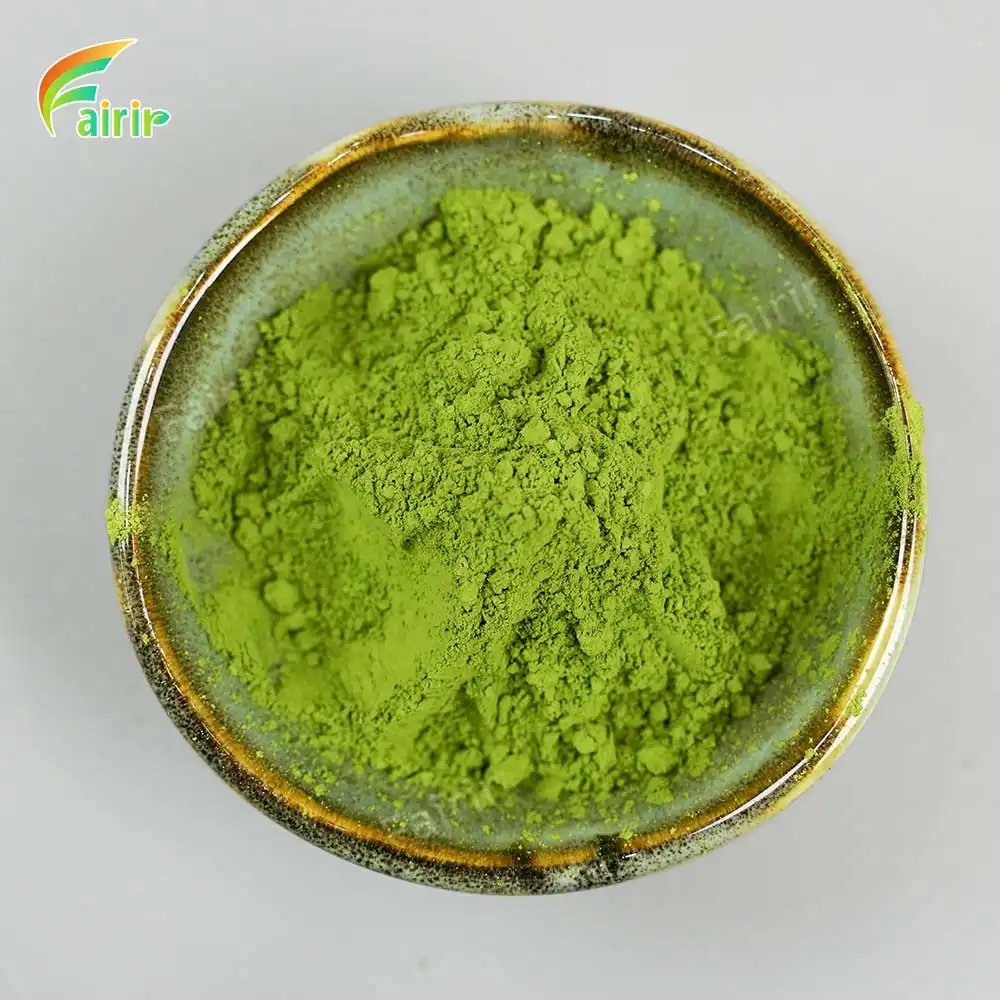
Understanding Organic Matcha Powder and Its Benefits
Organic matcha powder is carefully grown, unlike regular tea leaves. Organic certification allows tea plants to establish their entire range of natural substances in the soil without synthetic chemicals. This cultivation method preserves the environment and concentrates matcha's energy-boosting ingredients.
The Science Behind Clean Energy Release
Bioactive ingredients give organic matcha its unique energy profile. Natural caffeine contains 35-70mg per serving, providing energy without the coffee spike. Shade-grown tea leaves contain L-theanine, an amino acid that boosts alpha brain wave activity with caffeine. This biological interaction maintains mental clarity without the jitters of other caffeinated drinks.
Studies show that L-theanine moderates caffeine absorption, extending its stimulating effects to 4-6 hours instead of 2-3. Gradual release minimizes the sudden energy drop that impairs productivity and mood. Clinical studies show that this combination improves cognitive performance, especially in sustained attention and creative problem-solving.
Antioxidant Powerhouse Properties
Organic matcha is rich in catechins, especially antioxidant-rich epigallocatechin gallate (EGCG). Because shade-growing pushes plants to produce more chlorophyll, these chemicals are 137 times higher than in normal green tea. Antioxidants protect cells from oxidative damage and may boost metabolism.
Premium organic matcha's green color suggests high chlorophyll content, which aids in detoxification. The body may carry oxygen more efficiently because chlorophyll's molecular structure resembles hemoglobin. This improved oxygen delivery sustains energy without raising heart rate or blood pressure.
Comparison and Quality Considerations for B2B Procurement
Procurement experts assessing organic matcha suppliers must grasp quality factors that affect product performance and market appeal. Organic certification is simply the beginning of quality assessment; many other aspects determine commercial acceptability.
Certification Standards and Compliance
Organic matcha must be certified by USDA Organic, JAS, or other international standards. For these certificates, the cultivation process must be documented from soil preparation to packaging. To maintain organic farming standards, certification requires annual inspections and testing.
Premium matcha often has radiation, heavy metal, and microbiological safety certificates beyond organic status. These additional certifications are crucial for pharmaceutical and nutraceutical applications where product purity affects therapeutic efficacy and regulatory compliance.
Regional Origins and Terroir Impact
Uji, Nishio, and Kagoshima have unique terroirs that affect flavor and nutrition. Kyoto prefecture-grown Uji matcha has the most refined flavor balance and umami. Kagoshima matcha is dependable and affordable, whereas Nishio matcha from Aichi prefecture has strong flavors for cooking.
Premium grades need 20-30 days of shade before harvest, which affects quality. Extended shading improves amino acid concentration and reduces tannin formation, smoothing flavor characteristics and increasing L-theanine. For the best product specifications, procurement teams should evaluate shade-growing time and harvesting timing.
Grading Systems and Commercial Applications
Matcha grading systems classify items by leaf selection, processing, and use. For premium beverages, ceremonial-grade matcha uses only the youngest tea buds and top leaves to produce powder with bright color and delicate flavor. Culinary-grade matcha has greater flavors for food manufacturing and flavoring due to older leaves.
The particle size distribution impacts flavor release and dissolution. Traditional stone grinding produces premium matcha with particle sizes below 10 microns for smooth texture and optimal solubility. Commercial applications can support significantly higher particle sizes while meeting bulk manufacturing performance standards.
Optimal Usage and Storage for Business Clients
To protect bioactive chemicals and ensure product effectiveness, organic matcha must be prepared and stored properly. Standardized methods for large-scale commercial operations must minimize waste and deterioration and preserve quality.
Preparation Methods for Commercial Use
Instead of boiling, traditional matcha is whisked with water heated to 175°F (80°C) to preserve delicate amino acids and flavor. The recommended ratio is 1-2 grams of matcha per 60-80ml of water, depending on strength and application. For thorough dissolution and a frothy texture, vigorous whisking for 15-30 seconds is required.
Standardized measuring techniques help commercial beverage companies maintain flavor consistency across servings. Digital scales are essential for cost control and quality maintenance, especially with luxury products where tiny changes affect taste and customer satisfaction.
Matcha integration in manufacturing involves precise pH, temperature, and mixing duration considerations. Overheating above 185°F degrades beneficial chemicals and alters flavor. Cold preparation procedures, including overnight infusion, preserve optimum nutritional content and allow for large-scale production.
Storage Solutions for Bulk Buyers
Warehouse management is crucial for distributors and large buyers because storage conditions affect shelf life and product quality. Organic matcha needs protection against light, air, moisture, and temperature variations that increase oxidation and chemical destruction. Professional storage facilities should be 32-40°F and below 50% humid.
In distribution and storage, vacuum-sealed packing in light-proof containers provides excellent protection. To maximize flavor and nutrients, matcha containers should be resealed immediately and consumed within 6-8 weeks. Smaller package sizes may reduce exposure time and maintain freshness for commercial operations.
Bulk purchasers with several shipments and expiration dates need inventory rotation systems. Clear labeling with harvest dates and quality grades helps manage stock and prevents damaged items from compromising customer happiness and brand reputation.
Procurement Strategies for Buying Organic Matcha Powder
Compelling obtainment of natural matcha requests comprehensive provider assessment and key sourcing approaches that adjust quality requirements with taken a toll contemplations. The worldwide matcha market presents both opportunities and challenges for acquisition experts looking for solid, high-quality providers capable of meeting different commercial needs.
Supplier Verification and Quality Assurance
Organic matcha providers must undergo facility inspections, certification assessments, and quality testing before being trusted. Reliable vendors document their supply chain from tea garden relationships to processing and packaging. Buyers may check organic integrity and identify risk factors that could affect product availability or quality with this transparency.
Pesticide residues, heavy metals, microbiological contaminants, and nutritional content should be tested regularly in quality assurance procedures. Third-party laboratory analysis determines product parameters objectively and ensures target market regulatory compliance. Suppliers with proven testing history decrease procurement risk and improve long-term collaborations.
Cost Analysis and Pricing Strategies
Organic matcha prices vary greatly by grade, origin, certification, and order volume. For wholesale quantities, ceremonial-grade items cost $40-80 per kilogram, whereas culinary grades cost $20-40 per kilogram. Volume discounts and long-term contracts can lower unit costs and secure supplies for continuous operations.
Multiple supplier price benchmarking shows market trends and competitive advantages for specific product requirements. Strategic inventory management and flexible sourcing should help procurement teams anticipate seasonal price fluctuations due to harvest quality and availability.
For overseas purchases, transportation and storage costs greatly affect total procurement costs. Air freight keeps products fresh but costs more, whereas sea freight is cheaper but requires more preservation. Based on application needs and market positioning, procurement strategies should balance these aspects.
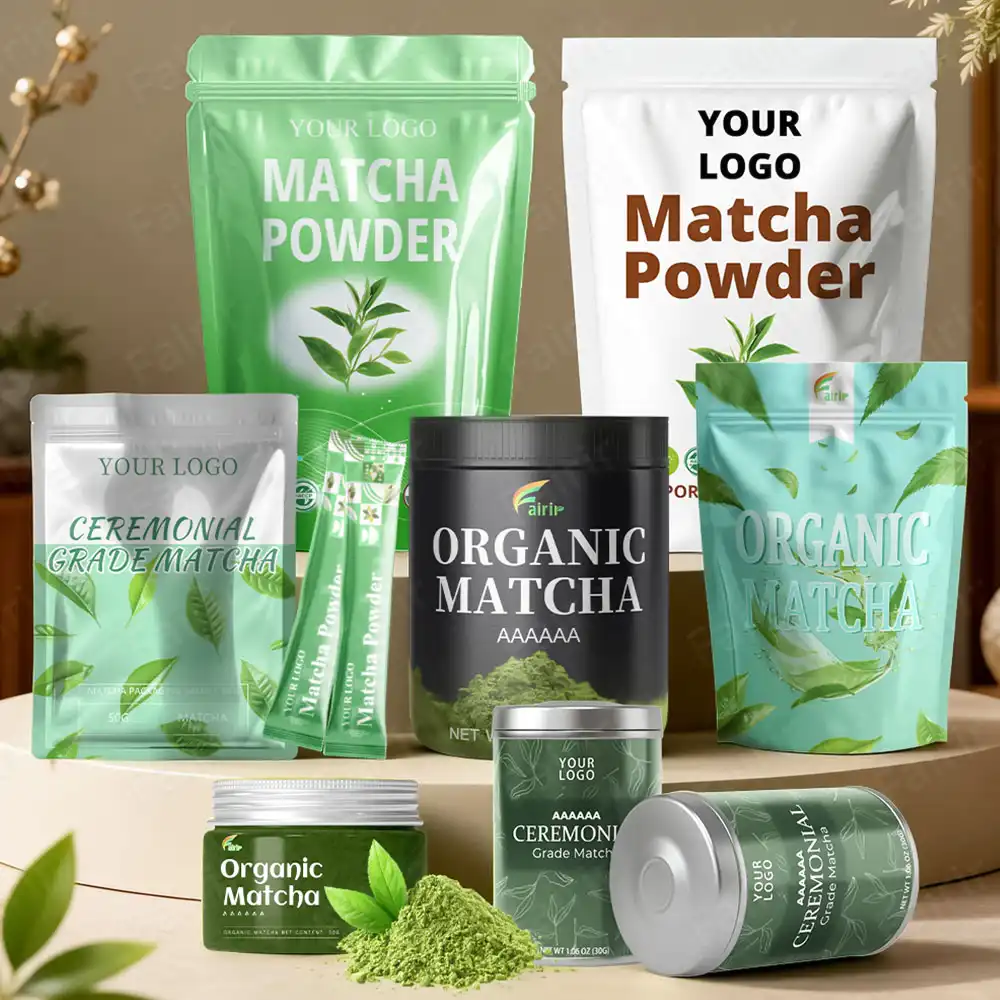
Company Introduction and Product Service Information
As a leading manufacturer and supplier of organic matcha powder, Shaanxi Fairir Biotech Co., Ltd. uses modern extraction and processing to service the global B2B market. Our 10,000-square-meter GMP-certified manufacturing plant in Xi'an City uses cutting-edge processing equipment to maintain the delicate components that make organic matcha such a great sustainable energy source.
Continuous countercurrent extraction, double effect concentration techniques, and vacuum belt drying preserve temperature-sensitive chemicals like L-theanine and catechins. The facility has 14 stainless steel extraction tanks from 500 to 3,000 liters and two fully automatic production lines with 98% extraction efficiency. This modern infrastructure lets us process huge volumes while meeting pharmaceutical, nutraceutical, and food industry quality standards.
Quality Control and Analytical Capabilities
Our research facility highlights Tall Execution Fluid Chromatography (HPLC), UV spectrophotometry, and revolving vanishing frameworks that guarantee exact investigation of dynamic compounds and quality confirmation. Each clump of natural matcha powder experiences comprehensive testing for virtue, power, and security parameters counting pesticide buildup screening, overwhelming metal investigation, and microbiological confirmation. This thorough quality control process ensures that our items meet universal natural certification benchmarks while surpassing client desires for consistency and performance.
The expository capabilities expand past essential quality parameters to incorporate point-by-point wholesome profiling and bioactive compound measurement. Our specialized group gives comprehensive certificates of examination with each shipment, documenting caffeine substance, L-theanine levels, antioxidant capacity, and molecule estimate conveyance. This nitty-gritty documentation underpins our clients' administrative compliance prerequisites whereas empowering exact item definition for their particular applications.
Custom Solutions and Client Support
Understanding that diverse applications require particular item characteristics, we offer customized natural matcha powder details custom-fitted to special client necessities. Our investigation and improvement group collaborates with clients to create specialized grades, molecule sizes, and bundling arrangements that optimize execution for their specific applications. Whether clients require premium ceremonial review for refreshment applications or vigorous culinary review for nourishment fabrication, our adaptable production capabilities suit different specifications.
Our client back administrations incorporate specialized meeting, definition help, and coordination that streamline the obtainment handle from beginning request through last conveyance. The experienced group gives responsive communication and proficient direction throughout the organization, guaranteeing that clients get items that meet their correct determinations whereas keeping up competitive pricing and solid delivery plans.
Conclusion
Organic Matcha Powder for Clean Energy Without Crash combines traditional Japanese cultivation wisdom with modern nutritional science to provide unmatched energy and cognitive development. Natural caffeine and L-theanine work together to provide hours of focused alertness without the crashes of conventional stimulants. Organic matcha offers procurement experts in the pharmaceutical, nutraceutical, and food industries unique options to produce novel products to suit customers' desire for clean, natural energy. Partnering with certified suppliers who provide consistent quality, rigorous testing, and reliable supply chain management to assure product integrity from cultivation to delivery is essential in this sector.
FAQ
What makes organic matcha different from regular matcha?
Organic matcha undergoes cultivation without synthetic pesticides, herbicides, or chemical fertilizers, resulting in a cleaner product with potentially higher concentrations of beneficial compounds. The organic certification process requires comprehensive documentation and third-party verification throughout the entire supply chain, from soil preparation through final packaging. This ensures product purity while supporting sustainable farming practices that preserve soil health and environmental integrity.
How does matcha provide clean energy without crashes?
The combination of natural caffeine and L-theanine in matcha creates a unique energy release mechanism that promotes sustained alertness without the dramatic spikes and crashes associated with coffee consumption. L-theanine moderates caffeine absorption, extending its effects over 4-6 hours while promoting alpha brain wave activity that enhances focus and reduces anxiety. This biochemical synergy provides smooth, consistent energy that supports productivity without disrupting sleep patterns or causing jitters.
What certifications should I look for when purchasing organic matcha?
Essential certifications include USDA Organic, JAS (Japanese Agricultural Standards), or equivalent international organic standards that verify cultivation and processing methods. Additional certifications, such as radiation testing, heavy metal screening, and microbiological safety verification, provide extra assurance for commercial applications. These certifications ensure regulatory compliance while demonstrating supplier commitment to quality and safety standards required by professional food and supplement manufacturers.
Contact Fairir for Premium Organic Matcha Powder Supply
Shaanxi Fairir Biotech Co., Ltd. delivers exceptional organic matcha powder solutions designed to meet the demanding requirements of commercial applications across pharmaceutical, nutraceutical, and food industries. Our GMP-certified facility and advanced analytical capabilities ensure consistent quality and purity that enable successful product development and market differentiation. As a trusted organic matcha powder supplier, we provide comprehensive technical support, customized formulations, and reliable delivery schedules that streamline your procurement process while maintaining competitive pricing structures. Contact our team at sales@fairirbiotech.com to discuss your specific requirements and request samples that demonstrate our commitment to excellence in organic matcha powder manufacturing and supply.
References
1. Dietz, C. and Dekker, M. "Effect of Green Tea Phytochemicals on Mood and Cognition." Current Pharmaceutical Design, vol. 23, no. 19, 2017, pp. 2876-2905.
2. Higashiyama, A. et al. "Effects of L-theanine on Attention and Reaction Time Response." Journal of Functional Foods, vol. 3, no. 3, 2011, pp. 171-178.
3. Weiss, D.J. and Anderton, C.R. "Determination of Catechins in Matcha Green Tea by Micellar Electrokinetic Chromatography." Journal of Chromatography A, vol. 1011, no. 1-2, 2003, pp. 173-180.
4. Yamabe, N. et al. "Matcha, a Powdered Green Tea, Ameliorates the Progression of Renal and Hepatic Damage in Type 2 Diabetic OLETF Rats." Journal of Medicinal Food, vol. 12, no. 4, 2009, pp. 714-721.
5. Park, S.K. et al. "A Combination of Green Tea Extract and L-theanine Improves Memory and Attention in Subjects with Mild Cognitive Impairment." Journal of Medicinal Food, vol. 14, no. 4, 2011, pp. 334-343.
6. Rothenberg, D.O. and Zhang, L. "Mechanisms Underlying the Anti-depressive Effects of Regular Tea Consumption." Nutrients, vol. 11, no. 6, 2019, pp. 1361-1378.