_1751965378790.webp)

Pure Resveratrol Powder: Uses in Supplements and Skincare
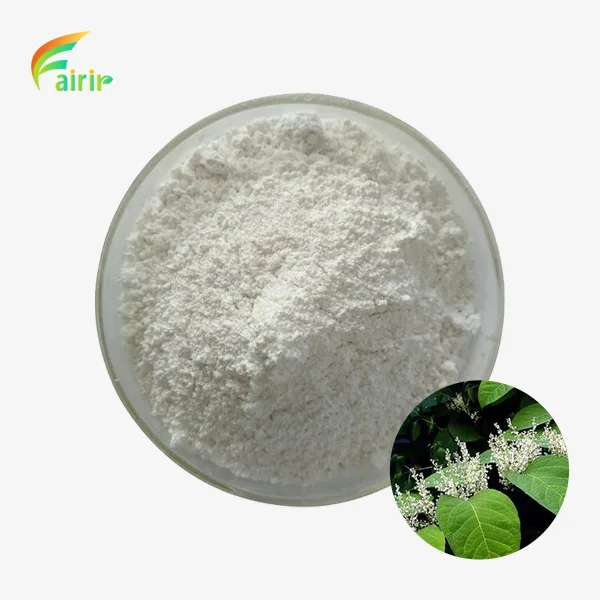
Pure Resveratrol Powder is one of the best natural anti-aging and health ingredients, and it has a lot of great uses in the vitamin and skin care industries. This white crystalline powder is mostly made from Japanese knotweed or grape skins. It is 98% pure and has strong antioxidant benefits that help protect cells, keep the heart healthy, and make skin look younger. More and more, companies around the world are looking for this substance to use in pills, tablets, serums, and creams that are aimed at health-conscious customers. Businesses can take advantage of the rising demand for clean-label, science-backed functional products by learning about their qualities, benefits, and sourcing issues.
Understanding Pure Resveratrol Powder: Definition, Sources, and Quality
What Defines High-Purity Resveratrol
The chemical name for Pure Resveratrol Powder is C14H12O3, and its CAS number is 501-36-0. It is a pure polyphenolic stilbenoid substance. The word "pure" means that the purity level is at least 98%, with most of the substance being the physically active trans-isomer form. This makes it different from regular resveratrol extracts, which may only have 50% active molecule mixed with other substances. A good powder has a fine, off-white to white color and a freezing point that is usually between 253°C and 255°C. This makes sure that the structure stays strong during the manufacturing process.
Natural Sources and Extraction Methods
Because its root cells contain a lot of resveratrol, Japanese knotweed (Polygonum cuspidatum) is the main market source. This chemical is also found in smaller amounts in blueberries, peanuts, and grape skins. These days, continuous countercurrent systems and double-effect concentration tools are used for extraction. This keeps the integrity of the molecules while getting the highest output. Ultra-micro pulverizers and vacuum belt dryers are used in advanced facilities to make particles of regular sizes. Particles are often micronized to a D90 of less than 10 microns to improve bioavailability in supplement formulas.
Quality Assurance Through Analytical Testing
HPLC is still the best way to check the purity levels because it correctly separates and measures trans-resveratrol from cis-isomers and possible contaminants like emodin. UV spectrophotometry is another way to look at absorption properties. Reliable providers keep GMP-certified factories with rotating evaporators and thermostatic water baths to make sure that the quality of each batch is always the same. Full records, like Certificates of Analysis (COA), Safety Data Sheets (SDS), and stable data, make it possible to track where the raw materials come from, all the way to the final packing. In order to meet foreign regulatory standards like USP and EP monographs, testing procedures also look for heavy metals, PAHs, Pure Resveratrol Powder, and microbial contamination.
Health Benefits and Uses in Supplements and Skincare
Scientifically Supported Wellness Benefits
Clinical study shows that Pure Resveratrol Powder turns on sirtuins, especially SIRT1 genes that are linked to processes for aging and repairing cells. Researchers have found that it helps the heart work well by keeping cholesterol levels normal and promoting healthy endothelial function. Inflammatory factors like NF-κB and COX-2 enzymes are changed by the substance, which makes it anti-inflammatory. High ORAC values show that it is an antioxidant that helps fight free radicals that cause oxidative stress and cell damage that comes with getting older. Because of these ways it works, it is useful for supporting digestive health and keeping brain function up.
Supplement Formulation Considerations
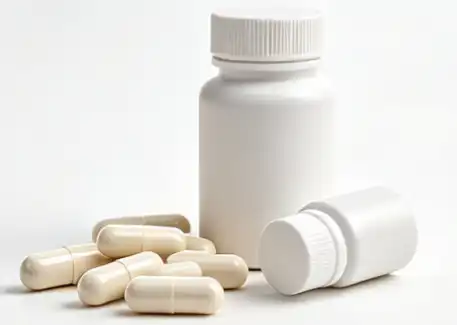
Manufacturers usually make resveratrol pills with doses between 100 mg and 500 mg per serving. Because the powder is lipophilic, it needs to be mixed in a certain way to make up for its poor water solubility. Putting medicine into vegetable pills or pressing it into tablets are easy ways to give it. Some manufacturers make it easier for the body to absorb substances by using nano-emulsification technology or joining them with cyclodextrins. Putting resveratrol with piperine or quercetin can make it more bioavailable through a number of different biochemical routes. Softgels with oil-based solutions are another way to make mixtures that dissolve better. Manufacturing freedom lets you make changes to a wide range of product types. Companies can make their own mixes by combining resveratrol with plants that work well together, like curcumin or green tea extract. Private labeling lets brands stand out by making dosing, flavoring, or mixture recipes that are special to groups of customers who care about heart health, anti-aging, or sports performance.
Applications in Skincare Product Development
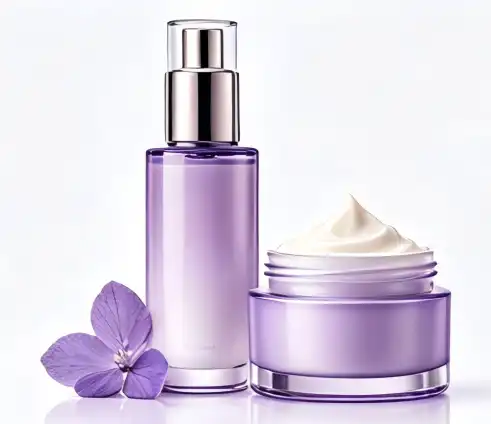
When applied to the skin, resveratrol works by protecting cells from damage caused by UV light and external stresses. It helps make collagen and stops matrix metalloproteinases from breaking down skin structure, which makes the skin firmer and more flexible. Anti-aging serums usually have this ingredient in amounts between 0.5% and 2%, according to the people who make cosmetics. The substance works well with hyaluronic acid, vitamin C products, and peptides, which lets scientists make complex mixtures that do more than one thing. Because resveratrol is sensitive to light, cream bases need to carefully choose emulsifiers and antioxidant preservation systems. To protect the product's purity, use amber or opaque packaging.
Comparing Alternatives: A B2B Decision-Making Guide
Powder Versus Extract Forms
Trans-resveratrol powder, which is 98% pure, has a consistent level of effectiveness compared to crude extracts, whose quantity changes depending on the source material and how well it is extracted. However, even though extracts may be cheaper per kilogram, Pure Resveratrol Powder is often better for a precise dose because it has a lower cost per unit of active ingredient. Because concentrated powder needs less material to reach goal doses, bulk buyers save money on shipping costs. Stability profiles are also different. Crystalline powder is better at resisting oxidation during storage than liquid extracts, which means it lasts longer and makes less trash because it breaks down faster.
Synthetic Versus Plant-Derived Options
Resveratrol from plants has the clean-label draw that Pure Resveratrol Powder is important for positioning natural products and meeting customer tastes for botanical sources. Organic certifications, non-GMO proof, and vegan compliance all help to place a brand as an expensive one. Some companies now use yeast fermentation engineering to make bio-identical resveratrol using long-lasting methods that keep the quality the same no matter what the farming conditions are like. This way gets rid of worries about chemical residues or changes in supply during different times of the year. Even though synthetic production is cheaper, it is not popular in the health and beauty industries, where buyers want to know where their natural products come from.
Evaluating Grape Seed Extract as an Alternative
Instead of Pure Resveratrol Powder, grape seed extract has proanthocyanidins, which are different but work well together as antioxidants. The procurement teams should figure out whether the sirtuin-activating properties of resveratrol or the vascular support properties of grape seed would be better for their goal formulas. Based on a cost study, pure resveratrol powder is more expensive but offers unique positioning possibilities for goods that focus on longevity science. Some brands carefully mix the two ingredients to make powerful antioxidant complexes, but this needs to be tested for suitability and safety first.
Procurement Guide: How to Buy Smart and Cost-Effective
Supplier Evaluation Criteria
Documented production skills and license portfolios make a company trustworthy. GMP approval means that the company follows strict rules for making medicines, such as cleaning procedures, equipment testing, and training for workers. ISO certification shows that a quality control system is being used. HACCP approval guarantees limits for food safety in nutraceutical uses. Kosher and Halal licenses make it easier for certain types of consumers to get into markets. Asking for reports on building inspections or audits done by a third party gives you more confidence. In terms of logistics for importing, where the sellers are located is important. Sellers close to big shipping hubs offer faster transit times. Supply problems can be avoided during growth phases by checking the production capacity. With multiple extraction tanks that range in size from 500 to 3000 liters and two fully automatic production lines, facilities can consistently handle big orders. Extraction efficiency rates close to 98% mean that there is little waste of raw materials and that cost structures are optimized, which helps buyers by lowering prices.
Direct Wholesale Versus Marketplace Purchasing
By working directly with makers, you can avoid the markups that come from middlemen and have more direct talks about customization. Direct buying lets you negotiate contract terms like payment schedules, minimum order amounts, and the creation of new formulas that are only available through that company. Manufacturers usually offer expert support through research and development (R&D) teams that help with problems related to solubility or stability tests. Marketplace platforms make shopping easier and let you compare prices, but they may make it harder to make changes to products or give returning customers better prices. Bulk buyers who want to build long-term relationships find more value in direct interaction where the conversation focuses on specific application needs.
Sample Verification and Order Logistics
Before agreeing to orders of more than one kilogram, responsible buying starts with evaluating samples of Pure Resveratrol Powder. Reliable sellers offer free samples with batch-specific COAs that show HPLC purity results, heavy metal screens, and microbiological testing. Before committing to a purchase, sending samples to independent labs for testing proves the specs and finds any quality issues. For test batches, the minimum order quantity is usually 1 kg. For production runs, it rises to 25 kg fiber drum packaging. When sending something internationally, you need to make sure you have the right paperwork to get it through customs and that the transport is kept at the right temperature to maintain stability.
Why Choose Fairir's Pure Resveratrol Powder: Trusted Supplier Insights
Quality Backed by Advanced Manufacturing
A 10,000-square-meter GMP-certified production center run by Shaanxi Fairir Biotech is located in Xi'an, China, in a way that makes transportation easy. As part of our industrial infrastructure, we have constant countercurrent extraction equipment that keeps molecules intact while recovering as many active compounds as possible. Double-effect concentration methods lower temperature exposure, which protects polyphenolic structures that are sensitive to heat. Quality control labs with HPLC, UV spectrophotometry, and rotating evaporators make sure that every batch meets the 98% purity standard of Pure Resveratrol Powder, which is proven by method validation. We keep 14 stainless steel extraction tanks on hand that can hold anywhere from 500 to 3000 liters of material. These tanks can be used for both small special runs and large-scale production contracts. Two fully automatic production lines have scores of 98% efficiency, which means that normal orders will be delivered reliably within one to three working days. Powder is kept dry and protected from light and moisture in vacuum aluminum foil packaging. For foreign shipping, 25 kg fiber drums with double-layer food-grade poly bag covers are required. Our certificates cover a wide range of market placement needs, such as organic, non-GMO, gluten-free, Pure Resveratrol Powder, and vegan.
Customization and OEM Capabilities
Customers can choose the particle size ranges that work best for their needs, whether they need micronized powder for fast-dissolving tablets or normal mesh sizes for filling capsules. We offer full private labeling services that include customizing formulas, designing packages, and putting together regulatory paperwork. Our team helps with the stability testing methods needed for shelf-life claims and gives advice on choosing ingredients that work well together for formulations that work better together. This way of working together helps brands get their products to market faster while still keeping high-quality standards. Capsules, pills, softgels, gummies, and small sachet packaging for single-use are just some of the dose types that can be made. Our technical experts give recipe advice based on ingredient science and market trends, whether you're making a line of supplements for heart health or a high-end anti-aging skin serum base. Traceability systems that keep track of all the steps used to make a product, from checking the source of the materials to batching the finished product, help with quality control and auditing.
Reliable Partnership and Support
We know that good business-to-business ties depend on clear communication and quick service. Our experienced team handles technical questions, offers reasonable pricing for large orders, and keeps the lines of communication open throughout the delivery process. Global buyers benefit from our well-established transport networks, which make sure that overseas shipping goes smoothly and follows the right procedures. Post-delivery help includes answering any formulation questions or worries about suitability that come up during the development stages of the product. This way of working together builds trust, which is important for long-term buying partnerships where both companies can grow. This leads to new ideas in the natural goods business.
Conclusion
Pure Resveratrol Powder is an ingredient that has been proven to work by science and meets the growing demand for natural, effective health products in the nutrition and skin care industries. It is known to have antioxidant properties, anti-aging properties, and cardiovascular support, making it a top recipe component. To make a good purchase, you need to pay attention to checking the purity with HPLC tests, looking at the certification profiles of suppliers, and figuring out how much they can make. Using high-quality powder with 98% trans-resveratrol that comes from reputable facilities that follow good manufacturing practices (GMP) ensures that the product is always the same and that it meets all regulations. Choosing the right provider with the ability to customize and provide quick customer service is key to getting a competitive edge when making food supplements, functional drinks, or cosmetic formulations. People are becoming more aware of longevity science and clean-label ingredients, which suggests that this flexible botanical substance will continue to grow in the market.
FAQ
1. What dosage of resveratrol powder is recommended for supplement formulations?
Doses used in clinical studies are usually between 150 mg and 500 mg per day, but the best amounts depend on the health results that are wanted. Dose sizes for cardiovascular support products are usually 250 mg, while dose sizes for anti-aging products may be larger. Manufacturers should look at published research that is related to the claims they want to make and regulatory standards to find out what dosage levels are legal in their markets. Bioavailability improvement methods, such as pairing with piperine, may let you get good results with lower amounts.
2. How do I verify the authenticity and purity of resveratrol powder?
The first step in making sure something is real is to ask for batch-specific Certificates of Analysis that show HPLC test results. Suppliers who are honest are happy to share third-party lab results that prove the amount of trans-resveratrol in their products and check for contaminants like heavy metals, PAHs, and microbial loads. Physical traits like a bright color, a fine texture, and no bad smells are signs of quality for Pure Resveratrol Powder. Independent testing by accredited laboratories gives you more peace of mind before you commit to buying a lot of something.
3. Can resveratrol powder be used safely in topical skincare products?
Dermatological studies show that resveratrol is safe to use on the skin in cosmetics at amounts of up to 2%. Because it is an antioxidant and an anti-inflammatory, it is good for skin health and won't irritate it when used in the right way. Formulators should make sure it's not too sensitive to light by packing it properly and thinking about how to make the pH more stable. During the creation of a product, patch testing makes sure that it works well with other active ingredients and doesn't cause any bad reactions in the target customer groups.
Partner with Fairir for Premium Resveratrol Solutions
As a dependable Pure Resveratrol Powder maker dedicated to quality excellence, Shaanxi Fairir Biotech is ready to help you reach your product development goals. Our plant is GMP-certified and consistently provides 98% purity. This is backed by full batch tracking and thorough analytical testing. Pharmaceutical companies, supplement names, cosmetics makers, and wholesalers looking for reliable suppliers with fair prices are welcome to send us bulk requests. Whether you need standard specifications or private label recipes that are made just for you, our technical team can help you with advice that is specific to your needs. You can get free samples of our products to see how good they are, or you can email us at sales@fairirbiotech.com to talk about your unique buying needs.
References
1. Baur, J.A., & Sinclair, D.A. (2006). Therapeutic potential of resveratrol: the in vivo evidence. Nature Reviews Drug Discovery, 5(6), 493-506.
2. Cottart, C.H., Nivet-Antoine, V., & Beaudeux, J.L. (2014). Review of recent data on the metabolism, biological effects, and toxicity of resveratrol in humans. Molecular Nutrition & Food Research, 58(1), 7-21.
3. Fabbrocini, G., Staibano, S., De Rosa, G., Battimiello, V., Fardella, N., Ilardi, G., ... & Ayala, F. (2011). Resveratrol-containing gel for the treatment of acne vulgaris: a single-blind, vehicle-controlled, pilot study. American Journal of Clinical Dermatology, 12(2), 133-141.
4. Ndiaye, M., Philippe, C., Mukhtar, H., & Ahmad, N. (2011). The grape antioxidant resveratrol for skin disorders: promise, prospects, and challenges. Archives of Biochemistry and Biophysics, 508(2), 164-170.
5. Walle, T. (2011). Bioavailability of resveratrol. Annals of the New York Academy of Sciences, 1215(1), 9-15.
6. Zhu, W., Qin, W., Zhang, K., Rottinghaus, G.E., Chen, Y.C., & Kliethermes, B. (2012). Trans-resveratrol alters mammary promoter hypermethylation in women at increased risk for breast cancer. Nutrition and Cancer, 64(3), 393-400.