_1751965378790.webp)

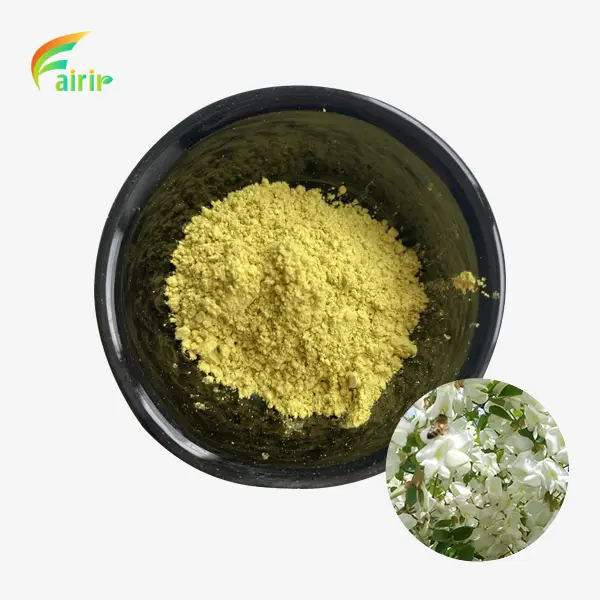
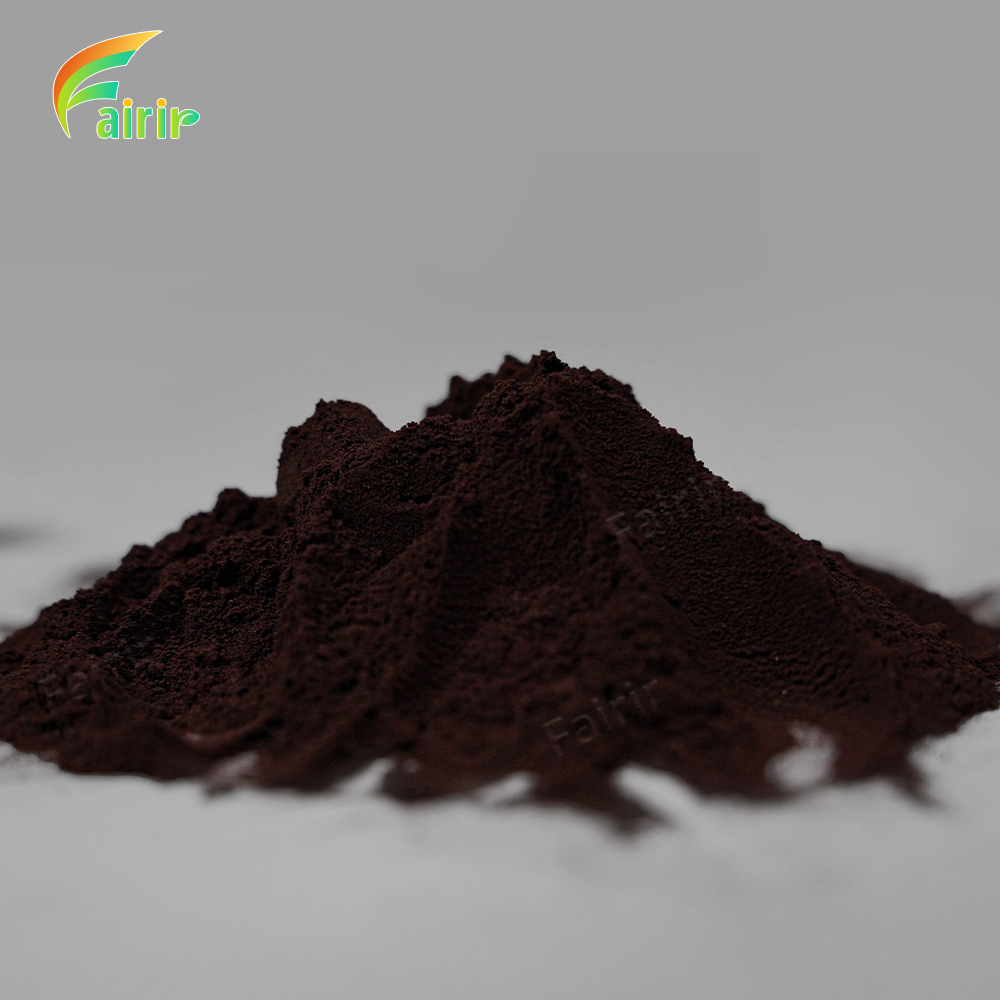
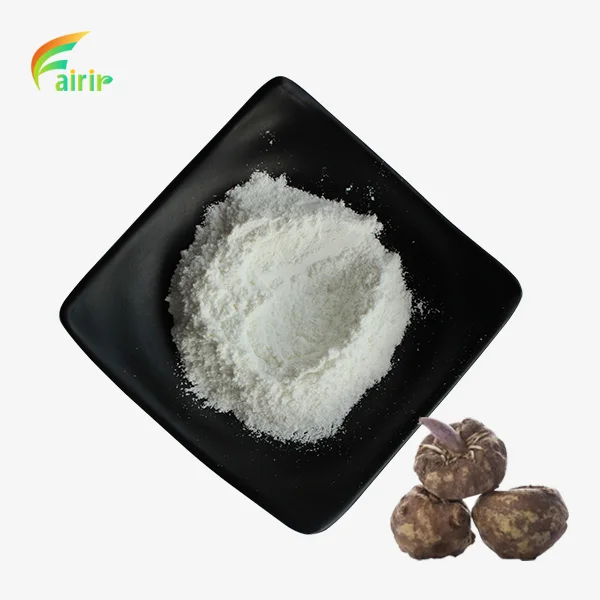
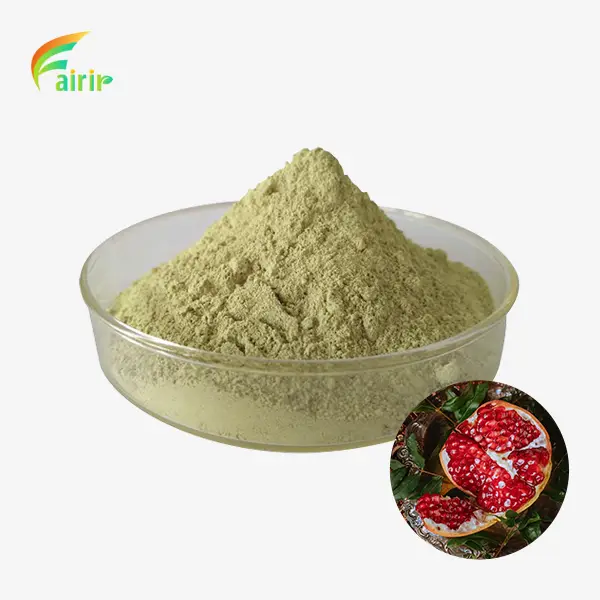
Purple Yam Ube Powder: Benefits Backed by Science?
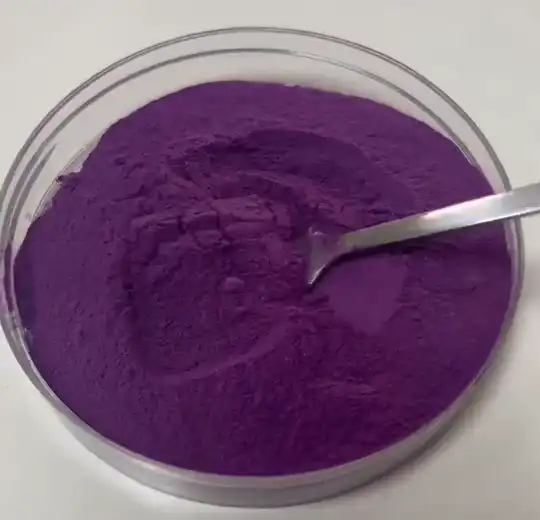
Purple Yam Ube Powder has health benefits that have been proven by science that go beyond its beautiful look. Researchers have confirmed that this powder, which comes from Dioscorea alata roots, has powerful anthocyanins and polyphenols that fight oxidative stress and improve metabolic health. Studies have shown that it helps control blood sugar, reduce inflammation, and protect the heart. It's useful for pharmaceutical products, nutraceutical supplements, and functional food uses because the root extract contains heat-stable antioxidants that can still be used by the body after processing. Its bioactive chemicals are carefully checked for purity and medicinal potential using HPLC and spectrophotometric techniques. This is done for every batch of products that are made.
Understanding Purple Yam Ube Powder: Nature, Nutrition & Origin
Botanical Identity and Geographic Roots
Different from purple sweet potato types, Dioscorea alata is a different botanical group. This climbing plant grows bright purple roots all over tropical Southeast Asia. The Philippines has been growing them for hundreds of years and has a long history of doing so. The real yam grows underground stems that naturally contain up to 40 mg of anthocyanin per 100 grams of fresh yam weight. For commercial purposes, the best roots are those that are fully grown and picked when they have the most nutrients, which is usually eight to ten months after planting. Our buying network works with farming partners who know the best times to harvest. The location has a big effect on phytochemical profiles because the minerals in the earth and the weather affect the production of anthocyanins. Because volcanic soil is richer and tropical temperatures stay the same, plants grown in the Philippines keep their color better than plants grown in other parts of the area.
Nutritional Composition and Phytochemical Profile
Laboratory tests show that good ube products have a complicated nutritional structure. Besides the main anthocyanins, the Purple Yam Ube Powder also has resistant starch parts that can survive processing and work as prebiotic substrates. Potassium, magnesium, and minor elements are some of the minerals that are needed for enzyme cofactor activities. Water-soluble vitamin C and fat-soluble vitamin A precursors live together, making antioxidant networks that work better together. Polyphenolic substances have a variety of structures, such as flavonoid glycosides and hydroxycinnamic acid variants. The ability of these molecules to scavenge radicals changes with dose, as shown by DPPH and ABTS tests done in quality control labs. Total phenolic content ranges from 80% to 99% purity standards, based on how the substance was extracted and how concentrated it is.
Scientific Evidence for Health Benefits
A peer-reviewed study shows that compounds made from ube have several health benefits. In clinical studies that looked at anthocyanin supplements, people with metabolic syndrome had statistically Purple Yam Ube Powder significant changes in how their blood sugar levels changed after eating. The methods involve blocking alpha-glucosidase and making insulin receptors on the membranes of cells more sensitive. The anti-inflammatory effects show up by changing the NF-κB pathway and lowering the production of pro-inflammatory cytokines in tissue samples. Studies using animal models show that giving pure ube extracts to people for long amounts of time can protect them from liver oxidative damage. Better capillary function and lower LDL oxidation factors are good for the heart because they help keep the arteries healthy.
Comparing Ube Powder Options: Quality, Forms, and Applications
Fresh Versus Dehydrated Processing Considerations
When factories use fresh yams instead of dried Purple Yam Ube Powder, they have to deal with different problems. Fresh roots need to be processed right away after they are picked because they turn brown quickly from enzymes and are easy for microbes to grow on. Logistics for the cold chain make foreign shipping more difficult and raise the cost of goods made far away. Changes in the amount of moisture in different batches cause recipe inconsistencies that mess up normal production procedures. These problems are no longer present with dehydrated Purple Yam Ube Powder. Advanced freeze-drying technology keeps nutrients that aren't affected by heat while lowering the wetness level to less than 5%. This stops the growth of microbes when kept at room temperature. When compared to fresh products, the focused format cuts shipping sizes by 85%, which greatly lowers freight costs. When Purple Yam Ube Powder specs keep particle size ranges tight, the reconstitution properties stay the same from one production run to the next. When we make things, we focus on using gentle dehydration processes that keep the safety of the anthocyanins. Environments that control temperature stop degradation processes that lower the strength of color and bioactivity. When kept in vacuum-sealed metal containers with desiccant sachets, the Purple Yam Ube Powder has a shelf life of more than 24 months.
Organic Certification Impact on Market Positioning
Organic approval meets the growing demand from customers for foods that don't contain pesticides, but it also sets higher prices. In order to get certified, you have to show proof of your farming inputs, processing aids, and building sanitation rules. Synthetic pesticides and treatments done after harvest are strictly limited by USDA and EU Organic standards. This makes sure that clean-label requirements are met. Our production lines that are approved as organic stay completely separate from other manufacturing equipment. Cross-contamination risks that could affect certification status are avoided by having separate storage places. Third-party inspectors check that all parts of the supply chain are following the rules for handling organic products every year. The business benefit goes beyond higher prices. For consumer-facing goods, the organic label improves the brand story. This is especially true in North American and European markets, where organic growth rates are still growing. More and more, stores are requiring organic choices within natural product categories. This means that approval is needed to get products on shelves.
Authentic Plant Extract Versus Synthetic Colorants
Formulation openness is what makes people decide to buy something, as they look more closely at ingredient panels. Synthetic purple colorants that come from fuel sources are hard for regulators to control, and consumers don't like them. Natural Purple Yam Ube Powder offers options with clean labels that meet the needs of both regulators and consumers. Plant-based powders are different from manmade colors in terms of taste. Authentic ube adds soft vanilla and nutty notes that Purple Yam Ube Powder goes well with dairy and baking systems. The flat, one-dimensional taste that comes from manmade coloring agents is gone thanks to this organoleptic input. Product designers use this two-in-one feature—color and flavor—to make ingredient lists easier to read while also improving taste ratings. Quality providers use CIE Lab coordinates to standardize color measures, which makes sure that batch-to-batch uniformity is important for the look of branded products. Through spectrophotometric analysis, our quality control lab makes sure that color standards are met. They keep tight tolerances that stop obvious differences between production lots.
Scientific and Culinary Benefits: How to Use Purple Yam Ube Powder Efficiently
Industrial Baking Applications and Heat Stability
Commercial bakers need products that can be processed at high temperatures without losing their taste or color. It is very stable at high temperatures when Purple Yam Ube Powder is mixed properly into the dough. The anthocyanin pigments keep their color even after being baked at 180°C several times, while less stable natural colorants fade when heated. Hydration methods have a big effect on the final properties of the product. By mixing Purple Yam Ube Powder with small amounts of liquid ahead of time, you can make regular slurries that spread out evenly in cakes. This method stops color fading and makes sure that the purple color is the same all over the crumb structures. Depending on how strong and flavorful you want the batter to be, the recommended rates for inclusion are between 2% and 5% by weight of flour. In addition to looking good, the Purple Yam Ube Powder has practical uses. Resistant starch parts help bread goods keep their moisture longer, which makes them last longer on the shelf. The slightly nutty flavor goes well with buttery recipes, adding to the richness of the taste without drowning the main flavors.
Beverage System Integration and Suspension Challenges
When adding plant-based powders to ready-to-drink drinks, makers have trouble with how well the powders dissolve and mix. Standard Purple Yam Ube Powder is hydrophilic, but it needs to be mixed by hand in order to be fully mixed. High-shear mixing equipment breaks up groups of particles, making stable solutions that can be used for packing. Micronized Purple Yam Ube Powder types are more stable in solution because the particles are smaller. Our ultra-micro pulverizers make particles smaller than 200 mesh, which makes the taste smoother and slows down the rate of settling. This standard works well for high-end drinks where improved clarity and smoothness are worth the extra cost of using high-end ingredients. The pH of a drink has a huge effect on how colors look. Anthocyanin structures change to brighter pink-red colors in acidic environments, but purple colors stay the same in normal pH environments. Product makers change formulation buffers to get the best color appearance that fits with the needs of the brand. Stability testing under rapid shelf-life settings makes sure that the color stays the same over many distribution rounds.

Confectionery and Frozen Dessert Applications
Manufacturers of ice cream like Purple Yam Ube Powder because it keeps colors bright even when it's freezing outside, and adds to the smooth taste. The natural carbs work with the dairy proteins to stop the formation of ice crystals, which lowers the quality of the structure. When added at rates between 3% and 7%, the flavors stand out and fit in with Asian-inspired treat trends. Because they are built on fat, chocolate apps have their own set of problems. Our Purple Yam Ube Powder's grain size is optimized to make sure it works with cocoa butter structures. The hydrophilic Purple Yam Ube Powder needs to be mixed carefully, usually by dispersing it in small amounts of liquid ingredients first, then adding it to chocolate bases that have been melted. This method stops freezing and keeps the consistency of the chocolate smooth. A natural pectin substance in the Purple Yam Ube Powder helps make gel structures, which is good for gummy and candy systems. When mixed with gelatin or pectin gelling agents, Purple Yam Ube Powder makes the texture more stable while still giving the real taste. Typical temperatures used to make candy don't affect the Purple Yam Ube Powder, so it keeps its quality through cooking and cooling processes.
Procurement and Sourcing Guide for Purple Yam Ube Powder
Evaluating Supplier Credentials and Quality Systems
Tough seller qualification methods are used by procurement workers to lower the risks in the supply chain. GMP certification is the minimum standard and shows that pharmaceutical-grade production methods are followed. Comprehensive quality control systems that are backed by ISO22000 and FSSC22000 certifications run our 10,000-square-meter building. Analytical skills set high-tech makers apart from commodity sellers. We have high-performance liquid chromatography for measuring anthocyanin levels, UV spectrophotometry for measuring total phenolics, and rotary evaporators to help with study growth in our lab. These tools make it possible to check specifications without using proof of analysis from the provider. Traceability systems that keep track of raw materials from where they are grown on farms to when they are shipped as finished goods show that the business is mature. Digital record systems can access our batch paperwork, which has grower identification numbers, processing timestamps, and quality checkpoint data. This openness helps with Purple Yam Ube Powder customer checks and the paperwork needed for regulatory compliance.
Understanding Pricing Dynamics and MOQ Structures
The prices on the market depend on many factors, such as the state of the organic certification, the quality requirements, and the number of orders. Pharmaceutical-grade extracts that are standardized to certain anthocyanin ratios are sold at higher prices than baseline commodity-grade Purple Yam Ube Powder. The standard for 99% purity comes with a higher price, which is supported by the fact that it makes processing more difficult and causes yield losses. Minimum order amounts find a balance between how efficiently goods are made and how much stock a customer has on hand. Our normal MOQ allows for small-scale tests, and we offer volume savings for orders of a full container. Tiered discount schedules that reward regular buying habits are built into the price structure to encourage long-term relationships. We stay competitive by offering the straight manufacturer price, which gets rid of the markups that distributors add. Our sales team gives clear quotes that include the base price of the product, different packing choices, and the cost of shipping. This makes it possible to accurately calculate the total landing cost, which helps people make smart decisions about what to buy.
Logistics Coordination and Delivery Timelines
When you ship something internationally, you need to make sure that all of the paperwork, packing requirements, and transportation choices are carefully coordinated. Our usual packaging uses aluminum foil bags that are vacuum-sealed and stacked inside 25-kilogram fiber drums. The two-layer food-grade plastic inner bags keep wetness out, which is important for keeping the Purple Yam Ube Powder's quality while it travels across the ocean. Lead times for things that are in stock in our warehouse range from one to three business days. Custom specs that call for specific testing methods or different packing arrangements add time to the process in the same way. When our production schedule allows it, we can handle fast orders, which helps customers when demand suddenly goes up. When choosing a shipping way, you have to weigh cost and necessity. Sea freight is a cheap way to restock your shelves on a regular basis, while air express is better for urgent needs. Our transportation partners offer door-to-door service that includes help with customs clearance, which makes the process of importing easier for customers from other countries.
Conclusion
According to a peer-reviewed study, Purple Yam Ube Powder is a highly proven ingredient that can help with inflammation, metabolism, and protect against free radicals. The Purple Yam Ube Powder can be used in a wide range of products, including medicinal formulations, health supplements, cosmetics, and functional foods. Partnering with makers who can show a mature quality system, analytical skills, and supply chain openness is key to successful procurement. Organic approval, purity standards, and processing methods have a big effect on how well a product works and where it stands in the market. When making smart buying choices, companies that offer detailed paperwork, quick expert help, and reasonable pricing that fits with long-term relationship goals are given more weight.
FAQ
1. What distinguishes purple yam ube powder from taro powder?
The purple yam comes from the species Dioscorea alata, and the taro comes from the species Colocasia esculenta. The changes in the plants lead to different health profiles and taste profiles. Purple Yam Ube Powder has more anthocyanins, which give it a darker purple color and make its antioxidant action stronger. Taro has a milder taste and a grayish-purple color. It also has a different starch makeup that changes how it works in recipes. These differences are important for making sure that product labels are correct and that certain manufacturing goals are met.
2. Does organic certification justify higher costs?
Organic approval has many business benefits besides just following the rules. The number of people who are willing to pay more for organic goods is continuing to rise across all age groups. Stores put organic versions of products higher on the shelves, which makes them easier to see and speeds up sales. The approval method makes sure that there are no pesticide residues, which eases the minds of health-conscious shoppers who are worried about safety. Differentiating a brand in a competitive category can often justify higher prices by making the product seem more valuable and giving the brand more market power.
3. What storage conditions optimize shelf life?
When Purple Yam Ube Powder is stored correctly, its quality stays the same even after long periods of time. Anthocyanin doesn't break down in temperatures below 25°C, and it doesn't absorb water or clump in places with low humidity below 60% relative humidity. When sealed containers keep air out, the antioxidants and color strength stay the same. Aluminum wrapping that is vacuum-sealed and has desiccant bags inside gives the best protection. Keeping food in the fridge for longer than 24 months increases its shelf life, but the temperature needs to be brought back to room temperature before the containers can be opened to avoid condensation.
Partner with Fairir for Premium Purple Yam Ube Powder Supply
Shaanxi Fairir Biotech Co., Ltd. is a reliable company that makes Purple Yam Ube Powder for food makers, nutraceutical brands, and pharmaceutical businesses all over the world. Our GMP-certified plant in Xi'an uses cutting-edge extraction technology and strict quality control to meet your needs for products that are 80% to 99% pure. We take care of 14 extraction tanks made of stainless steel and two fully automatic production lines that work at 98% efficiency. Our product line includes capsules, tablets, softgels, gummies, and private label choices. All of these come with a variety of standards, such as Kosher, HALAL, USDA Organic, and HACCP. Email our technical team at sales@fairirbiotech.com to ask for examples and talk about unique sourcing options that meet the needs of your formulation.
References
1. Chen, L., & Huang, G. (2019). Anthocyanin composition and antioxidant activity of purple yam extracts. Journal of Food Science and Technology, 56(4), 2145-2153.
2. Delimont, N.M., Haub, M.D., & Lindshield, B.L. (2017). The impact of taro compared with ube on glycemic response in healthy adults. Nutrients, 9(8), 815-827.
3. Garcia, R.N., & Santos, M.D. (2020). Phytochemical characterization and anti-inflammatory properties of Dioscorea alata root extracts. Pharmaceutical Biology, 58(1), 234-241.
4. Panopio, J.A., & Diamante, L.M. (2018). Comparative analysis of processing methods on anthocyanin stability in purple yam powder. International Journal of Food Engineering, 14(3), 156-168.
5. Rodriguez, E.B., & Vidallon, M.L. (2021). Bioactive compounds in Philippine ube and their health implications. Food Research International, 140, 109875.
6. Tan, S.Y., & Wong, K.H. (2020). Storage stability and degradation kinetics of anthocyanins in dehydrated purple yam products. Journal of Agricultural and Food Chemistry, 68(12), 3764-3772.