_1751965378790.webp)

Ube Powder for Breakfast Cereals: Natural Purple Food Innovation
With its natural, brilliant purple colouring and essential nutrients, Ube Powder is revolutionising breakfast cereal. A distinctive Dioscorea alata ingredient adds dietary fibre, vanilla sweetness, and antioxidants to cereals without additives. Additionally, it fits the growing demand for clean labels. Ube Powder can help food makers meet the increased demand for plant-based superfoods and allergen-free recipes with attractive, healthy products.
Understanding Ube Powder and Its Benefits for Breakfast Cereals
What is Purple Yam Powder?
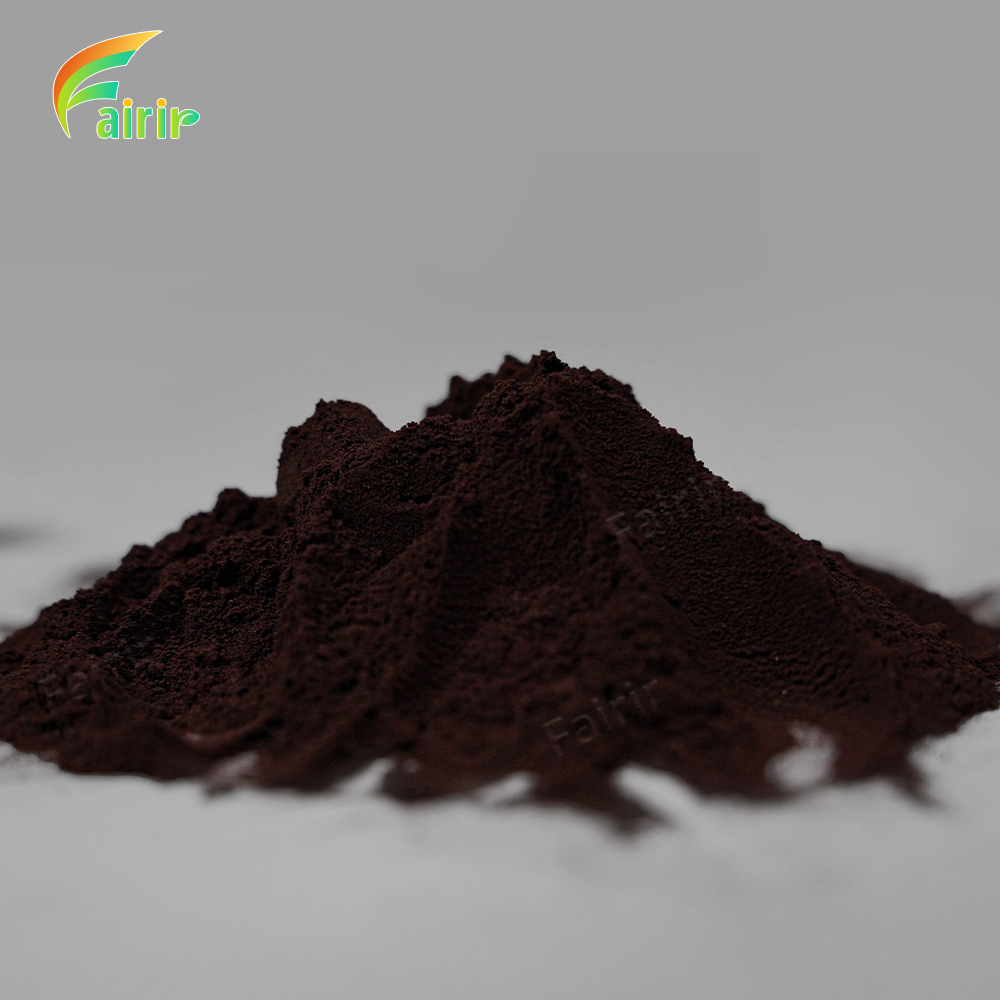
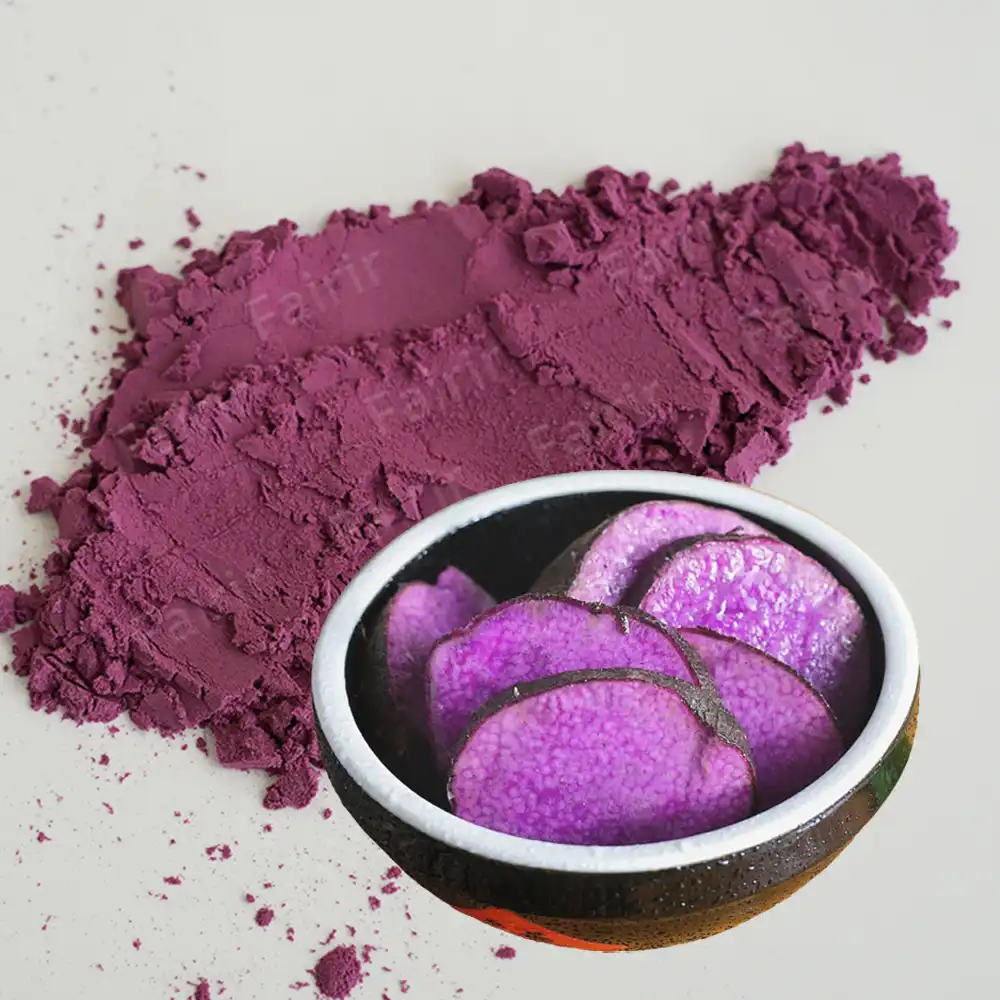
Ube Powder is a high-quality, dehydrated, micronised functional food ingredient derived from Dioscorea alata (Ube) root tubers or anthocyanin-rich purple sweet potatoes. Food manufacturers use it as a natural colourant and nutrient source. The quick deterioration and browning of seasonal fresh yams cause logistical issues. The clean-label violet colour eliminates these issues. Industrially produced purees have a consistent nutty, vanilla-like flavour and colour due to their regulated organoleptic properties, unlike fresh ones, which fluctuate in sugar and water content.
Nutritional and Functional Benefits for Cereal Formulation
Premium ube powder is violet-coloured and antioxidant due to its complex starch structure and significant anthocyanin content. Particle size distribution should be 60-120 mesh, with moisture below 6%, to ensure solubility and hygroscopic stability. It contains resistant starch, potassium, manganese, and fibre. Procurement managers can trust their coeliac-friendly gluten-free items. Anthocyanin pigments are heat-stable and don't harm during processing, even if they turn blue at high pHs. Low-temperature spray drying or freeze-drying can transform raw tuber into a high-quality powder with up to 95% bioactive components.
Color, Flavor, and Texture Enhancement
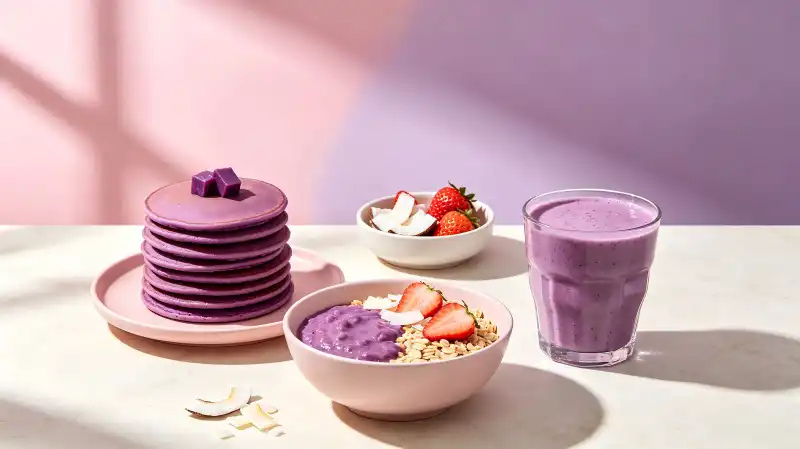
You can't miss cereals that have purple sweet potato powder on the shelf. Millennials and Gen Zers looking for new flavours will love this dish's purple hue, which is created by anthocyanin molecules. Because of its subtle sweetness and nutty undertones, it pairs well with grain-based dishes and looks nice doing it. Because starch binds grains, they stay whole during transport and storage, which is great for granola and clusters.
Comparing Ube Powder Options and Selecting the Best for Cereal Production
Botanical and Sensory Distinctions
Despite their differences, the violet flesh of ube and purple sweet potato is still very similar. No, ube is not a purple sweet potato; it's a yam. Purple sweet potato powder has a fainter vanilla aroma and a lighter purple hue than ube powder. Use taro powder, which tastes earthy and nutty, instead of the sweet Ube flavour. Grains, sugars, and other fruits don't always pair well with purple root powder; thus, cereal manufacturers need to be aware of these botanical differences.
Organic Versus Conventional Sourcing
Certified organic Ube Powder is worth the premium for customer-focused firms. Organic certification supports the clean-label trend by removing synthetic fertilisers and pesticides from food in North America and Europe. Traditional, low-cost products are affordable and high-quality. Procurement managers should consider the target market, margin demands, and customer willingness to spend extra when comparing certified organic and conventional breakfast cereals.
Supply Chain Considerations for Bulk Procurement
Suppliers must maintain quality over several shipments to mass-produce grain. Purity requires a minimal anthocyanin concentration, controlled moisture, and no heavy metals or microbial diseases. Accurate providers disclose harvest dates, processing methods, and crop locations. Properly kept packaging should block light and moisture for 18–24 months. Reputable manufacturers can handle one tonne for complete production runs and lower amounts for product development.
Incorporating Ube Powder into Breakfast Cereal Recipes and Processing
Recommended Dosages and Blending Techniques
Add 2–8% purple sweet potato powder to your morning cereals for colour and flavour. Low doses of 2-3% turn multigrain flakes lavender, while high doses of 8% turn granola clusters and puffed rice deep purple. Blending alters both colour and scent. Ube powder dry blends well with grain and flour before extrusion or baking. Adding a little water or binding syrup to the powder before using it improves the cluster coating and the colour release and adhesion of the flakes.
Sample Formulations for Various Cereal Types
Before you sheet and roast your flake mixture, combine Ube Powder with whole grain flour, sweeteners, and binding agents for improved flake compositions. Sixty percent whole wheat flour, twenty percent oat flour, ten percent sugar, and five percent vegetable oil make up these colourful and healthy flakes.
Oats, nuts, honey, and dried fruits are all part of the granola recipe, which showcases the versatility of 6% Ube Powder. Toasted oats take on a stunning golden hue when combined with the powder, which enhances cluster formation and adds antioxidants.
To ensure proper expansion throughout the manufacturing process of puffed cereal, it is crucial to maintain an ideal moisture balance. Puffing rice or maize with 3-4% purple sweet potato powder creates beautiful, crispy spheres or shapes that retain their colour even when heated.
Addressing Production Challenges
Cereals lose their colour when baked or extruded at high temperatures. Light, heat, and pH affect anthocyanins. To achieve optimal pH, low processing temperatures, and little heat exposure, carefully choose ingredients. Acidity from citric or ascorbic acid stabilises purple pigments. Use quality ube powder with increased volatile chemical retention and add it later in the manufacturing process when temperature exposure is decreased to reduce taste loss. Modern encapsulation methods preserve flavour and colour, but they raise ingredient costs.
Procuring Ube Powder: Market Overview and Supplier Insights
B2B Platforms and Pricing Structures
B2B platforms have contributed to the growth of the speciality botanical powder industry worldwide. Organic certification, processing method, and order size determine the wholesale costs of purple sweet potato powder. Compared to conventional grades, certified organic grades are pricier per kilogram. For large orders with extended lead times, shipping by sea is the most cost-effective option, while smaller shipments can be expedited by air. The final landed price must account for both import costs and customs levied by the destination country.
Evaluating Trusted Suppliers and Manufacturers
Quality certificates are the main criteria used to evaluate suppliers. GMP-approved manufacturing facilities provide uniformity and conformity. Vendors should disclose microbiological testing, moisture content, anthocyanin concentration, and particle size distribution. Various quality-control tools, including HPLC and UV spectrophotometry, are available to reputable manufacturers. Prompt communication, stable lead times, and adequate manufacturing capacity demonstrate reliability. Shaanxi Fairir Biotech Co., Ltd. uses a 10,000 square metre GMP facility, vacuum belt drying, continuous countercurrent extraction, double-effect concentration, and ultra-micro pulverisers. The three automated lines may achieve an efficiency level of up to 98% thanks to their fourteen stainless steel extraction tanks, which range in capacity from 500 to 3,000 litres.
Compliance and Sustainability Standards
Although herbal ingredient import rules vary by nation, the FDA in the US requires safe labelling, product status as a food additive, and evidence of safety. EU laws also require extra food safety standards and evaluations. People are increasingly seeking out businesses that prioritise sustainability by utilising renewable energy, water efficiency, and eco-friendly gardening techniques. Using traceability proof, businesses may better show they are environmentally responsible, meet consumer transparency standards, and support claims of ethical sourcing.
Future Trends and Innovations: The Growing Role of Ube Powder in the Food Industry
Consumer Preferences Driving Adoption
Visually appealing and functional plant-based components, such as purple superfoods in morning cereals, attract a growing number of consumers. Items with inherent brightness tend to do well since Millennials and Gen Zers love to take food images that look good on Instagram. Parents who are watching their sugar intake appreciate the natural sweetness and antioxidants, which help keep breakfasts healthy for kids. People are becoming more conscious of the importance of ingredient lists and are gravitating toward items made from plants rather than synthetic ones, thanks to the clean-label movement. Cereal manufacturers can have faith in Ube Powder to deliver on consumer expectations because of its versatility.
Emerging Processing Technologies
Advances in extraction and drying techniques make purple sweet potato powder more affordable and functional. New freeze-drying methods preserve bioactive compounds more efficiently than old ones. By protecting volatile flavour compounds and sensitive anthocyanins, microencapsulation preserves colour and flavour during processing and throughout shelf life. Spray-drying technologies can improve particle size management, enhancing solubility and dispersion, which affect cereal colour distribution. Premium ingredients were formerly too expensive for mid-sized firms, but technical advances have made them affordable.
Strategic Integration into Innovation Roadmaps
Product development teams should investigate Ube Powder as a platform ingredient for several innovation approaches. Limited-edition seasonal cereals that capitalise on colour trends represent low-risk market- testing opportunities. Functional cereal businesses can market health benefits by using antioxidants and fibre. Natural colour appeal is great for kids' cereals, as it reduces parents' fears about artificial dyes. Supplier partnership gives formulation support and technical knowledge for rapid development. Partnerships with reliable manufacturers can provide a constant supply, volume-based price benefits, and priority allocation during peak demand.
Conclusion
Ube Powder transforms morning cereal innovation with clean-label natural colouring, functional nutrients, and enticing flavours. Understanding botanical differences, procurement choices, and processing conditions for colour and flavour retention is essential for successful integration. With quality certificates, analytical capabilities, and production scale as essential evaluation factors, B2B suppliers are varied. Purple sweet potato powder helps producers capitalise on market opportunities, as consumers increasingly demand plant-based, visually appealing, and nutritionally enriched breakfast solutions. Manufacturers can develop and market goods that appeal to health-conscious consumers searching for innovation in their morning routines by working with experienced suppliers who provide technical support, consistent quality, and scalable manufacturing capacity.
FAQ
Is Ube Powder Gluten-Free?
Ube Powder derived from Dioscorea alata is naturally gluten-free, making it suitable for breakfast cereal formulations targeting coeliac disease sufferers and gluten-sensitive consumers. However, cross-contamination during processing represents a potential concern. B2B buyers should verify that suppliers operate dedicated gluten-free facilities or maintain strict cleaning protocols between production runs. Request certification documentation confirming gluten testing below the 20 ppm thresholds required for gluten-free labelling claims in most markets.
What is the Difference Between Powder and Extract Forms?
Purple sweet potato powder represents the whole tuber that has been dehydrated and milled, retaining fibre, starch, and full nutritional profiles. Extracts concentrate specific compounds, particularly anthocyanins, through selective extraction processes. Powder forms provide better texture contribution and subtle flavour in cereal applications, while extracts deliver more intense colouring at lower usage rates but contribute minimal functional nutrition or texture. Most breakfast cereal applications benefit from powder forms that balance colour, flavour, nutrition, and texture contributions.
How Can I Verify Supplier Quality and Authenticity?
Request comprehensive specifications, including analytical methods and results for anthocyanin content, particle size, moisture levels, and microbial testing. Certificates of analysis from third-party laboratories provide independent verification. Visit manufacturing facilities when feasible to observe production processes, equipment maintenance, and quality control procedures. Check for GMP certification and relevant food safety credentials. Request samples for sensory evaluation and processing trials before committing to large orders. Establish clear quality agreements defining acceptable parameter ranges and protocols for handling out-of-specification materials.
Partner with Fairir for Premium Ube Powder Supply
Shaanxi Fairir Biotech Co., Ltd. stands ready to support your breakfast cereal innovation initiatives with premium Ube Powder manufactured to the highest quality standards. Our GMP-certified 10,000 square metre facility, equipped with advanced extraction, concentration, drying, and pulverisation equipment, ensures consistent product specifications across every batch. With 14 stainless steel extraction tanks, three fully automatic production lines, and 98% production efficiency, we deliver the reliable supply capacity your large-scale manufacturing operations demand. Our analytical laboratory, which has HPLC, UV spectrophotometry, rotary evaporators, and thermostat water baths, provides rigorous quality verification, and our experienced technical team offers formulation support tailored to your specific cereal applications. Whether you require organic certified purple sweet potato powder, custom particle sizes, or flexible packaging options, we provide responsive communication and competitive pricing structures designed for long-term partnerships. Contact Us today at sales@fairirbiotech.com to discuss your requirements, request samples, and receive a customized quote from a trusted Ube Powder supplier committed to your success.
References
1. Champagne, A., & Boutry, M. (2021). Anthocyanin Stability and Degradation Kinetics in Food Systems: Impact of pH and Temperature. Journal of Food Science and Technology, 58(4), 1287-1299.
2. Delgado-Vargas, F., Jiménez, A. R., & Paredes-López, O. (2020). Natural Pigments: Carotenoids, Anthocyanins, and Betalains—Characteristics, Biosynthesis, Processing, and Stability. Critical Reviews in Food Science and Nutrition, 60(1), 52-68.
3. Jansen, G., & Flamme, W. (2022). Comparative Analysis of Dioscorea alata and Ipomoea batatas: Nutritional Composition and Functional Properties. International Journal of Food Properties, 25(1), 432-448.
4. Martínez-González, A. I., & Díaz-Sánchez, Á. G. (2023). Application of Natural Colourants in Breakfast Cereal Manufacturing: Processing Challenges and Solutions. Food Engineering Reviews, 15(2), 201-218.
5. Terahara, N., & Matsui, T. (2021). Purple Sweet Potato and Ube: Bioactive Compounds, Processing Technologies, and Food Applications. Comprehensive Reviews in Food Science and Food Safety, 20(5), 4782-4805.
6. Zhang, Y., Butelli, E., & Martin, C. (2022). Engineering Anthocyanin Biosynthesis in Plants: Applications in Food and Nutrition. Annual Review of Food Science and Technology, 13, 352-375.