What Are the Health Benefits of Stevioside Powder Consumption?
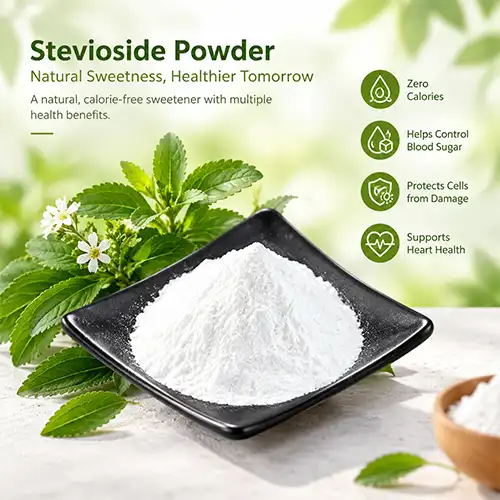
The leaves of the Stevia rebaudiana plant are used to make Stevioside Powder, which has many health benefits that go beyond just being sweet. As a natural, calorie-free sweetener, it helps control blood sugar, lowers caloric intake, protects cells from damage, and shows heart health benefits—all while staying very stable in food and drink recipes. Because of these qualities, it is becoming a more useful ingredient for companies that want to appeal to health-conscious customers and meet government requirements for lowering sugar levels across all product lines.
Understanding Stevioside Powder and Its Nutritional Profile
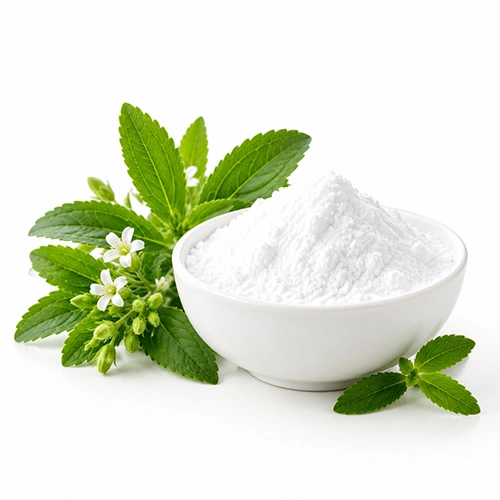
Stevioside is the main bioactive glycoside found in Stevia rebaudiana. It makes up about 5–10% of the dry weight of the leaf. Manufacturers make a white to off-white powder with Stevioside concentrations between 75% and 98% by using special water or alcohol extraction methods and then cleaning steps. This improved form gets rid of most of the plant stuff while keeping the sweet steviol glycosides.
Distinguishing Stevioside from Other Stevia Products
There are a lot of different goods in the botanical extract area that procurement workers need to be able to tell apart. Whole stevia leaf powder has a green color and a herbal smell because it has all the plant chemicals, like chlorophyll and fiber. Stevia extract mixes use rebaudioside A, Stevioside, and other steviol glycosides to make sweetness profiles better. Pure Stevioside Powder is made up of only the Stevioside ingredient and promises consistent results in recipes.
Comparative Advantages Over Alternative Sweeteners
Comparisons of Stevioside to sugar alcohols like erythritol or other plant-based choices like monk fruit extract show that it is different. When compared to erythritol, which needs a lot of it to be sweet and can make your stomach hurt in large amounts, Stevioside is very sweet with very little. When it comes to price and availability, Stevioside is usually a better choice than monk fruit. However, both are useful in clean-label products and work hand-in-hand.
In terms of nutrients, Stevioside Powder has almost no protein, fat, or carbohydrates, and each serving has almost no calories. In addition to being sweet, it has small amounts of polyphenolic chemicals that act as antioxidants, though the success of the extraction process depends on how it is made. Stevioside is chemically stable at temperatures up to 200°C and pH levels between 3 and 9. This makes it very useful for a wide range of handling conditions.
Key Health Benefits of Stevioside Powder Consumption
Over thirty years of scientific study have shown that Stevioside has several bodily effects. This gives B2B buyers evidence-based reasons for developing new products and promoting health positioning strategies.
Blood Glucose Management and Insulin Sensitivity
Clinical tests show that Stevioside does not cause insulin to be released or change blood glucose levels, so it can be used by people with diabetes. According to research released in the Journal of Regulatory Toxicology, eating Stevioside may actually make insulin work better by controlling glucose transporters. Because of this trait, manufacturers can make goods that meet the standards for diabetic-friendly certification while still tasting good. Pharmaceutical businesses that make products to help control blood sugar can use Stevioside as both a sweetener and an active ingredient that helps achieve the main treatment goal.
Antioxidant and Anti-Inflammatory Properties
The structure of steviol glycoside has some antioxidant action, which helps protect cells from reactive stress. Even though Stevioside isn't as strong as specific antioxidants like resveratrol or quercetin, it still helps get rid of free radicals. In vitro studies suggest that regular consumption may lower inflammation markers, but there aren't many human clinical trials yet. Because of these qualities, Stevioside works well in functional food uses where a number of health benefits make the product stand out.
Weight Management Support
Stevioside is a real zero-calorie sugar that lets people cut calories without affecting their taste or pleasure. By using Stevioside instead of sugar in drinks, companies can cut the calories by 95% or more while still keeping the taste that people like. This straight substitution helps with weight management programs and fits in with public health efforts that aim to lower obesity. Because it is non-glycemic, Stevioside doesn't cause the insulin-driven hunger reaction that happens when you eat sugar, which could help you eat fewer calories total during the day.
Cardiovascular Health Implications
New evidence shows that regular Stevioside drinking may help keep blood pressure in check, especially in people who already have mild hypertension. In clinical studies, people who consistently ate Stevioside for a few months saw small drops in their systolic and diastolic blood pressure. Vasodilation and better endothelial function are part of the suggested process. Even though these benefits are still being studied, they open up new health marketing possibilities for functional drinks and dietary products that focus on heart health.
Safety Profile and Regulatory Acceptance
International governing bodies have done a lot of toxicological testing to prove that Stevioside is safe at normal amounts of consumption. The FDA said that high-purity steviol glycosides were generally recognized as safe (GRAS), and the EFSA said that a person should not take more than 4 mg of steviol equivalents per kilogram of body weight each day. With these decisions, B2B buyers can be sure that regulations will be followed in all major markets. Comprehensive safety tests show that the chemical is not genotoxic, carcinogenic, or reproductively toxic. This clears up any earlier misconceptions about stevia's safety.
Practical Applications of Stevioside Powder in Industry
Stevioside can be used in a lot of different types of products because of its technical properties. However, each type of product has its own formulation issues that buying workers need to think about.
Food and Beverage Manufacturing
When it comes to uses, Stevioside Powder is mostly used in beverage preparation. It works great in fizzy soft drinks, ready-to-drink teas, flavored waters, and sports drinks because it dissolves easily in water and doesn't change when heated. Stevioside is often mixed with other sweets by manufacturers to hide any aftertaste and get the best sweetness levels. Stevioside can handle high temperatures during processing and adds sweetness to cooked goods without having the same functions as sugar. This means that the recipe needs to be changed to keep the structure and browning. Stevioside is stable in cold temperatures and works well with protein matrices, which makes it useful in dairy goods like yogurt, ice cream, and sweetened milk.
Nutraceutical and Dietary Supplement Applications
Stevioside is used by companies that make tablets and capsules to make chewable formulations and powder mixes taste better. Because it doesn't react badly with active medicinal ingredients and stays stable when compressed, the substance can be used in solid dosage forms. Stevioside is often found in liquid vitamins, protein shakes, and meal replacements to add sweetness without affecting the body's ability to absorb nutrients. The clean-label attraction helps with marketing that focuses on natural products and better health.
Quality Standards and Certification Requirements
To make sure that products are consistent and that regulations are followed, commercial buying requires strict quality standards to be followed. Stevioside Powder that is safe for food must be pure enough to contain more than 95% total steviol glycosides, and the exact amount of Stevioside must be checked using HPLC analysis. Heavy metal levels, especially lead and arsenic, must stay below the standards set by the government for food preservatives. Testing for microbial pollution shows that there are no pathogens and that the total plate numbers are good.
What you need to do to get certified depends on your product and target market. Natural product makers like organic approval, but they need to be sure that the stevia they grow and process is organic. People are worried about genetic modification, but Stevia rebaudiana is not usually genetically modified. Non-GMO certification eases people's minds. Kosher and Halal approvals make it easier for goods that meet religious dietary needs to get on the market. GMP approval of manufacturing sites makes sure that they follow the rules for making pharmaceuticals.
Storage and Shelf Life Considerations
Throughout the supply chain, the economic worth and performance stability of Stevioside Powder are directly affected by how it is handled. Because high-purity powder absorbs water, it needs to be stored in containers that keep out moisture. These are usually fiber drums with food-grade poly bag liners or vacuum-sealed aluminum foil bags. To keep the sweetness strength and avoid caking, storage should be done in low-humidity areas with temperatures below 25°C. Stevioside Powder stays stable for at least 24 months in ideal conditions, but it needs to be tested every so often to make sure it stays in line with specs. Distributors who deal with large amounts have to make decisions about warehouse infrastructure and product turnover strategies based on these storage needs.
How to Choose and Procure the Best Stevioside Powder for Your Business
Strategic source selection has a direct effect on the quality of the product, compliance with regulations, cost-effectiveness, and the company's long-term place in the market. Systematic evaluation frameworks that look at important choice factors are helpful for procurement workers.
Evaluating Purity Levels and Analytical Verification
Specifications for Stevioside Powder usually run from 75% to 98% clarity. Higher concentrations cost more but need smaller amounts to be used. Analytical proof using HPLC gives exact compositional profiles, measuring the amount of each steviol glycoside and finding possible adulterants. Suppliers who offer full Certificates of Analysis that include tests for heavy metals, chemical residues, bacteria growth, and cleanliness show that they are dedicated to quality assurance. UV spectrophotometry is an additional analysis method that can be used with HPLC, which is still the best way to measure Stevioside levels.
Assessing Manufacturing Capabilities and Certifications
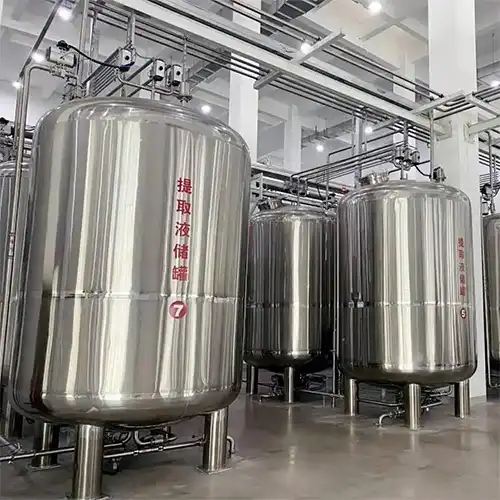
Product consistency and supply dependability are directly linked to the framework of the manufacturing process. With various 500- to 3000-liter extraction tanks, facilities can make batches of different sizes and keep making things all the time. Cross-contamination and mistakes made by humans are less likely to happen on automated production lines, which also increases output. GMP approval means that the company follows pharmaceutical-grade production practices, which are important for cosmetic and nutraceutical uses. ISO licenses that cover environmental and quality management standards give customers even more faith in business excellence.
Modern quality control tools, such as rotating evaporators for concentration, vacuum belt dryers for removing moisture, and ultra-micro pulverizers for standardizing particle size, show that the technology is advanced. These features let powder makers change the properties of powder to fit the needs of different formulations, whether they need fine particles for drinks or larger grades for tablets.
Transparency and Customer Support Infrastructure
In competitive markets, the best providers stand out by being able to communicate quickly and having a lot of scientific knowledge. Formulation support from manufacturers helps clients get the most out of Stevioside integration by talking about strategies for hiding tastes, stable testing, and regulatory paperwork. Making sourcing methods clear, like where the stevia is grown and if it has an organic license, builds trust and backs up claims of sustainability. Customer testimonials and case studies showing successful uses across many industries show that the provider can be trusted.
Bulk Purchasing and Private Label Opportunities
Most of the time, volume agreements get you better prices, but the minimum order numbers change from manufacturer to manufacturer. Professionals in procurement have to weigh the costs of keeping goods against the savings that come from buying less of each item, taking into account storage space and turnover rates. Private label services let brands stand out by offering personalized packaging, changes to the recipe, and special blends that mix Stevioside with ingredients that work well together. These services are especially helpful for businesses that are trying to break into new product categories or reach niche market groups.
When you buy something from another country, things like import rules, customs paperwork, and coordinating operations become more complicated. Suppliers who have worked with exports before can speed up these processes by getting the right certifications, taking care of paperwork, and planning the details of shipping. Knowing what the target country needs in terms of food additive approvals, marking standards, and tariff classifications can help you avoid delays and fines that cost a lot of money.
Case Studies and Success Stories
Implementations in the real world show how planned Stevioside integration leads to measured business results in a range of contexts.
Beverage Innovation for Health-Conscious Markets
A local company that makes drinks saw a drop in sales of regular soft drinks as people switched to lower-calorie options. By adding 98% pure Stevioside Powder to their best-selling goods, the company was able to cut the amount of sugar by 95% while keeping taste acceptance scores above 8 on a 10-point scale. The revised line got shelf space in health-focused stores and saw a 23% increase in sales in the first year, showing that adding natural sweeteners can turn around selling trends that are going down if done correctly.
OEM Development of Diabetic-Friendly Snacks
A diabetes group and an OEM food maker worked together to make certified diabetic-friendly snack bars. The company made goods that met strict glycemic index standards below 55 by using Stevioside as the main sweetener and fiber-rich ingredients. The relationship included educational materials about nutrition and support logos, which led to fast growth in distribution across drugstore chains and diabetes-specific stores. This example shows how Stevioside lets brands get into niche health areas that charge higher prices and help build their credibility.
Clean Label Cosmetics Positioning
A personal care brand changed the way its sweetened lip balms are made so that they don't contain any artificial sweeteners. Instead, they use organic Stevioside Powder. The clean-label branding supported a 40% price premium compared to regular goods, which appealed to millennials who value natural ingredients. The product line grew by 150% year-over-year thanks to social media ads that talked about where the botanicals came from and how they were certified organic. This success shows that Stevioside can be useful for more than just food and can help with premium placement tactics.
These examples show similar success factors, such as carefully choosing suppliers to ensure uniform quality, formulation knowledge to improve taste, and smart marketing that uses stories about health and sustainability. Potential buyers can learn useful lessons about how important it is to do analytical proof, field testing, and make sure that product development matches the tastes of the target market.
Conclusion
Stevioside Powder is a tactically useful ingredient for companies that want to meet customer demand for healthier, naturally-derived goods without sacrificing taste or profits. It has been shown to help control blood sugar, help people lose weight, and be safe in general. This makes it a good choice for health-focused food, drink, supplement, and beauty products. To make a good purchase, you need to carefully evaluate suppliers, paying special attention to things like quality checks, making skills, following the rules, and helpful customer service. As sugar reduction and clean-label formulations continue to be pushed in global markets, Stevioside integration can give forward-thinking businesses a competitive edge if they are willing to invest in quality sourcing relationships and recipe optimization.
FAQ
1. Is Stevioside Powder Safe for All Consumer Groups?
Stevioside Powder has been thoroughly tested for safety by regulatory bodies all over the world. It has been given GRAS status by the FDA and approval by the EFSA. At normal amounts of use, it is thought to be safe for most people, including kids, pregnant women, and older people. People who are very rarely allergic to plants in the Asteraceae family should be very careful, but allergic responses are still very rare. The product is quickly broken down and flushed out of the body, so it doesn't build up.
2. Can Stevioside Completely Replace Sugar in Formulations?
Stevioside is very sweet without being calorie-dense, but it can't completely replace sugar in recipes because the formula needs to be changed to account for qualities other than sweetness. Sugar is used in many situations to add texture, coloring, wetness retention, and bulk. To make goods taste and feel like sugar-containing ones, successful reformulations usually mix Stevioside with bulking agents, texture modifiers, and sometimes additional sweeteners. Most of the time, full replacement is easier to do with beverages than with baked goods or sweets.
3. What Purity Level Should B2B Buyers Specify?
Purity standards depend on what the application needs and how much it costs. Food and drink companies usually ask for 90–95% purity, which strikes a balance between low cost and enough sweetness. For pharmaceutical and nutritional uses, purity levels of 98% or higher are often needed to avoid reactions and make sure that batches are all the same. Higher purity grades also mean that smaller amounts are needed in recipes. This could help to justify the higher price by lowering the amount that is used and improving the taste with little to no aftertaste.
Partner with Fairir for Premium Stevioside Powder Supply
We at Shaanxi Fairir Biotech Co., Ltd. know that the quality of your ingredients has a direct effect on the success of your product and the image of your business. As one of the biggest companies that makes Stevioside Powder, we use cutting-edge extraction technology and strict quality control to make sure that our natural sugar options are always the best. Our 10,000-square-meter GMP-certified facility has 14 stainless steel extraction tanks, 2 fully automatic production lines that can remove 98% of the material, and a wide range of analysis tools, such as HPLC, UV spectrophotometry, and rotary evaporators.
We offer Stevioside Powder with purity levels ranging from 75% to 98%. It can be bought in bulk, with private label choices, in custom formulations, and in several different delivery forms, such as pills, tablets, and small sachets. Every batch goes through strict testing procedures, and stock things can be delivered quickly in 1 to 3 working days. Our organic, non-GMO, and allergen-free goods meet foreign standards and come with all the paperwork needed to get them through customs without any problems.
Whether you're making drinks for diabetics, supplements to help you lose weight, or clean-label food items, our expert team can help you with the formulation and give you free samples to make sure they work for your use. We want you to experience the Fairir difference—open communication, low prices, and dependable supply relationships that are based on success for both parties. Email our sales team at sales@fairirbiotech.com to talk about your Stevioside Powder needs and find out how our high-quality manufacturing can help your product line.
References
1. Goyal SK, Samsher, Goyal RK. Stevia (Stevia rebaudiana), a bio-sweetener: a review. International Journal of Food Sciences and Nutrition. 2010;61(1):1-10.
2. Ashwell M. Stevia, Nature's Zero-Calorie Sustainable Sweetener: A New Player in the Fight Against Obesity. Nutrition Today. 2015;50(3):129-134.
3. Geuns JMC. Stevioside. Phytochemistry. 2003;64(5):913-921.
4. Ulbricht C, Isaac R, Milkin T, et al. An Evidence-Based Systematic Review of Stevia by the Natural Standard Research Collaboration. Cardiovascular & Hematological Agents in Medicinal Chemistry. 2010;8(2):113-127.
5. Samuel P, Ayoob KT, Magnuson BA, et al. Stevia Leaf to Stevia Sweetener: Exploring Its Science, Benefits, and Future Potential. Journal of Nutrition. 2018;148(7):1186S-1205S.
6. Sharma N, Mogra R, Upadhyay B. Effect of stevia extract intervention on lipid profile. Studies on Ethno-Medicine. 2009;3(2):137-140.