_1751965378790.webp)

What Are the Key Benefits of Premium Lotus Seed Extract Powder?
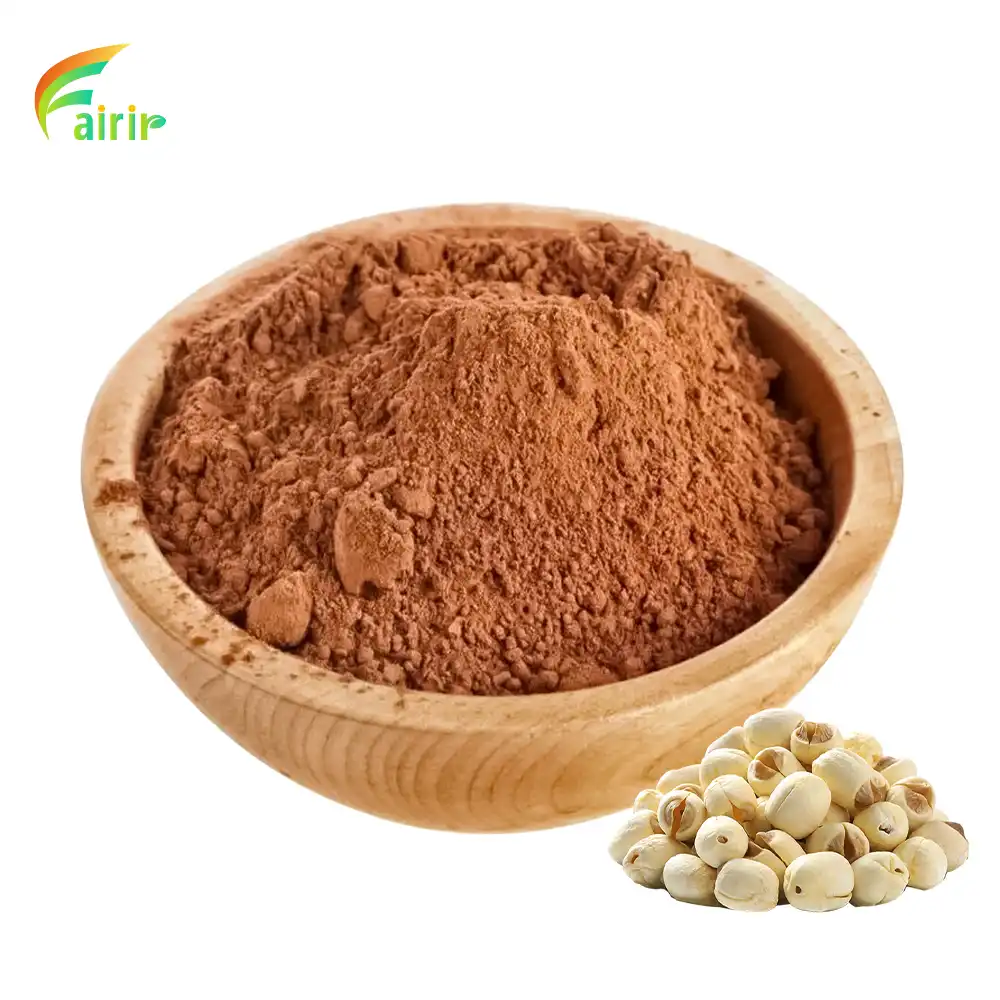
Lotus Seed Extract Powder contains high amounts of beneficial compounds that are good for your heart, lower stress, and keep your skin looking young. These compounds include alkaloids (neferine and liensinine), flavonoids, and carbohydrates. Compared to raw lotus seed powder, this improved extract is more bioavailable, doses are more consistent, and it can be easily added to nutrition, cosmetic, and functional food products. In its purified state, it solves important manufacturing problems and gives supplement companies, and beauty brands a reliable, effective ingredient that has been scientifically and rigorously tested.
Understanding Premium Lotus Seed Extract Powder
Botanical Origins and Advanced Extraction Technology
Lotus Seed Extract Powder is a very concentrated plant-based ingredient that is made from Nelumbo nucifera seeds using subcritical or controlled ethanol-water percolation. These technologies separate and standardize bioactive chemicals, getting rid of the differences that can be found in raw farming material. The process of extraction extracts bisbenzylisoquinoline alkaloids, flavonoid glycosides, and functional polysaccharides. This turns the fibrous seed material into a fine, water-soluble powder that can be used for accurate doses in industry. After going through a lot of steps to get ready, like removing the egg to make it less bitter, premium extracts are filtered several times and then concentrated by vacuum. This method optimizes the solid content between 10 and 40 percent, which makes sure that the atomization works well during spray drying. This creates a standard ingredient whose performance can be predicted, which flows better for tableting and stays stable in a wider range of formulation materials.
Safety Profile and Regulatory Considerations
There is proof from both clinical studies Lotus Seed Extract Powder and traditional use that Lotus Seed Extract Powder is safe when taken in the suggested dose amounts. For nutraceutical uses, the usual medicinal amount is between 300 mg and 1000 mg per day, but some formulas need to be changed based on the standardization levels of alkaloids. At normal supplementation amounts, no major side effects have been reported in peer-reviewed literature. However, women who are pregnant or nursing should talk to their doctors because there isn't a lot of information on reproductive safety. Regulatory compliance for business-to-business purchases requires production that is GMP-certified, analytical testing that is confirmed using HPLC and UV spectrophotometry, and full paperwork that includes Certificates of Analysis, heavy metal screening, and microbial testing. Premium providers offer clear tracking from the time the raw materials are sourced until the finished product is released. This helps with regulatory reports in many places, such as the EU's Novel Food laws and the FDA's rules for dietary ingredients.
Core Benefits of Premium Lotus Seed Extract Powder
Cardiovascular and Metabolic Health Support
Many ways that the alkaloid profile in top products is good for the heart are shown to work. Neferine and liensinine can stop calcium channels, which helps keep blood pressure in a safe range. Flavonoid compounds improve the function of endothelial cells and the elasticity of blood vessels. Researchers have found that these bioactives lower oxidative stress factors linked to metabolic syndrome. This means that formulators can use them to make heart health products for older people and people who have metabolic problems. In addition to helping keep blood pressure normal, the carbohydrate part changes how fats are broken down and how much glucose is in the body. Regular use may help keep cholesterol levels and insulin sensitivity healthy, according to clinical findings. This makes the extract useful for metabolic health formulas that target the whole body. Because of these benefits, Lotus Seed Extract Powder is seen as a versatile ingredient that makes formulations easier to understand while also providing health benefits that work together.
Digestive Health and Microbiome Support
The polysaccharide part has prebiotic qualities that help the growth of good bacteria in the gut, which helps the immune system and digestion. These chemicals don't break down in the upper digestive system. They make it to the colon whole, where Bifidobacterium and Lactobacillus species process them. Short-chain fatty acids are made during fermentation. These acids feed colonocytes and control inflammation reactions in lymphoid tissue in the gut. Product makers who make vitamins for gut health can use these benefits to make complete formulas that help with bloating, irregular bowel patterns, and immune system strength. Because the extract works well with probiotics, digestive enzymes, and fiber, it can be combined in ways that make single-dose forms that help with many areas of gut health.
Comparing Lotus Seed Extract Powder to Alternatives
Lotus Seed Extract Versus Raw Lotus Seed Powder
Raw lotus seed powder is made from whole seeds that have been ground up manually without any separation or concentration steps. This has a lot of different nutrients, like starches and proteins, but the active ingredients aren't very bioavailable, the alkaloid profiles vary from batch to batch, and it's hard to mix with water. Because it is fibrous, it is hard to formulate for capsules and tablets, and bigger amounts are needed to get therapeutic benefits. These problems can be fixed with premium Lotus Seed Extract Powder, which concentrates bioactives up to 10–50 times more than the raw material through focused extraction. The consistent amount of alkaloid and flavonoid content from batch to batch is important for legal compliance, Lotus Seed Extract Powder, and making promises about how well it works. Better digestibility means that smaller doses are needed, which saves money even though the price per kilogram is higher. Better solubility also makes it possible to make clear drinks that aren't possible with raw powder.
Organic Versus Conventional Production Standards
Lotus seed extracts that are certified organic cost more, but they sell better in natural product outlets and European markets where organic certification affects buying choices. The safety of conventional production is the same as that of GMP-certified sites that use strict pesticide screening and heavy metal tests. Lotus plants grow in water, so sediment contamination must be checked, no matter if the plants are organic or not. This means that source quality control methods are more important than certification alone. Procurement managers should do a cost-benefit analysis to see how the 15–30% price increase for organic certification compares to the needs of the target market and how they want to place themselves in the market. Organic sources may be okay for markets that stress "clean label" and "sustainability messaging," but standards, purity testing, and regulatory paperwork are more important for pharmaceutical and clinical nutrition uses than organic status.
How to Source and Procure Premium Lotus Seed Extract Powder
Critical Supplier Evaluation Criteria
Checking manufacturing certifications like GMP compliance, ISO quality management systems, and related food safety certifications like HACCP is the first step to successful buying Lotus Seed Extract Powder. Ask for facility audit records, proof that the analytical method works, and stability data that shows how long the product will last in certain store circumstances. Reliable providers give full Certificates of Analysis for every production batch that include results from tests for heavy metals, chemical residues, microbial growth, and standardization of active compounds. Look at how much can be made and how reliable the supply chain is by talking about the specs of extraction tools, how to get raw materials, and how to handle inventory. Suppliers who have more than one extraction line with sizes between 500 and 3000 liters and enough raw material on hand can better ensure supply continuity when demand or seasonal changes happen. Ask for examples from past customers and see how quickly they respond to technical questions. The quality of communication has a direct effect on formulation support and problem-solving during the product development phases.
Quality Control and Testing Protocols
Premium providers use a variety of analytical methods, such as High Performance Liquid Chromatography to measure the amount of alkaloid and flavonoid compounds, UV spectrophotometry to measure the total amount of phenolic compounds, and standard antioxidant tests to find out the DPPH or ORAC values. Ask for proof that the method you want to use meets your quality standards for accuracy, precision, and detection limits. Total plate count, yeast and mold, coliforms, and pathogen screens for Salmonella and E. coli should all be part of microbial tests. bacteria that meet pharmacopeial norms. Because lotus plants grow in water and soil that could be contaminated, heavy metal research that looks at lead, cadmium, mercury, and arsenic is necessary. Specifications should match the limits set by regulators in the target markets. For food supplements, this usually means following USP guidelines or EU rules. Set up procedures for testing arriving raw materials at your plant. Use identity testing (TLC or HPLC fingerprinting) and key specification verification to make sure that seller paperwork is correct and look for signs of tampering.
Practical Applications and Case Examples in B2B Industries
Nutraceutical Formulation Success Stories
Functional drinks with Lotus Seed Extract Powder have become popular as relaxing drinks. They compete with regular energy drinks by making you feel less stressed without giving you a boost of energy. One North American beverage company made a sleep-aid drink with 400 mg of standardized lotus seed extract, magnesium glycinate, and L-theanine. The drink improved the quality of sleep in clinical studies in a way that could be measured. The extract's ability to dissolve in water and not change the taste of other ingredients made it possible to make clear, shelf-stable formulas that stayed effective for 18 months. Along with CoQ10, omega-3 fatty acids, and hawthorn berry extracts, cardiovascular supplement makers have successfully added lotus seed extract to complete heart health formulas. These multi-ingredient products help with blood pressure, arterial health, and oxidative stress in ways that work hand-in-hand. This lets companies set their goods apart in crowded markets and backs up their health claims with studies on how the ingredients work together.
Food and Beverage Industry Applications
Lotus seed extract is an active ingredient in natural food items like protein bars, wellness shots, and fortified snacks that are meant to help with stress control and mental clarity. The powder's great binding and compressibility properties help bar recipes, and its heat stability lets it be used in baked goods and extruded snacks without breaking down the active ingredients too much. Clean label placement is helped by the fact that the ingredient comes from a well-known plant and has been used for hundreds of years in Asian health practices. Functional tea blends and ready-to-drink drinks contain lotus seed extract along with plants that work well together, like chamomile, passionflower, and valerian root. This makes for effective evening leisure goods. The extract doesn't add much to the flavor profile, so drink makers can use other ingredients to get the taste they want while still getting uniform bioactive content to back up their health claims on the package.
Conclusion
Premium Lotus Seed Extract Powder represents a strategic procurement opportunity for B2B buyers seeking scientifically validated botanical ingredients with diverse applications across pharmaceutical, nutraceutical, cosmetic, and functional food sectors. The extract's concentrated bioactive profile, high solubility, and ability to be mixed in a variety of ways solve important problems in the business, such as standardizing ingredients, following regulations, and showing proof of effectiveness. To successfully source products, you need to carefully evaluate suppliers based on their GMP certification, analytical testing capabilities, and clear quality paperwork that supports your product development goals and market compliance needs.
FAQ
1. Is Lotus Seed Extract Powder safe for large-scale commercial production?
According to both clinical studies and proof from traditional use, Lotus Seed Extract Powder is very safe. At normal supplementation levels (300–1000 mg daily), it has not been linked to any major side effects. For large-scale commercial production, manufacturing must be GMP-certified and use proven methods to make sure that each run is the same. There must also be full microbial and heavy metal tests, as well as stability data to back up the claimed shelf life. Reliable sellers give you all the paperwork you need to get your products on the market, like allergen statements, GMO status, and proof that they follow all the food safety rules that apply.
2. What antioxidant benefits does this extract provide for skin and hair products?
The flavonoid and procyanidin content effectively removes free radicals, protecting skin and hair from environmental damage that leads to early aging. Specific processes include stopping elastase and collagenase from working, which keeps the skin firm, changing melanin production to support even skin tone, and improving hair health by reducing inflammation. Within 4 to 8 weeks, clinical tests show measurable changes in skin hydration, elasticity, and wrinkle depth. Hair care products show better scalp health and stronger hair when used regularly.
3. How do I evaluate potential suppliers for procurement decisions?
Prioritize suppliers offering GMP certification, comprehensive analytical testing capabilities including HPLC and UV spectrophotometry, and transparent documentation covering each production batch. Request facility audit reports, method validation data, customer references, and samples for formulation trials before committing to bulk orders. Assess communication responsiveness and technical support quality, as these factors directly impact formulation success and problem resolution during product development phases.
Partner With a Trusted Lotus Seed Extract Powder Supplier
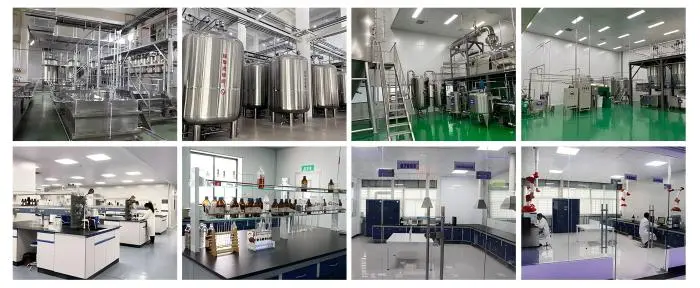
Shaanxi Fairir Biotech Co., Ltd. blends advanced production skills with strict quality standards to produce high-quality Lotus Seed Extract Powder that meets the strict needs of the cosmetic, nutraceutical, and pharmaceutical industries around the world. Our 10,000-square-meter GMP-certified building has 14 stainless steel extraction tanks with capacities between 500 and 3,000 liters, constant countercurrent extraction equipment, and two fully automatic production lines that can extract up to 98% of the material. We keep a full set of analytical tools on hand, such as HPLC, UV spectrophotometry, and rotary evaporators. We use proven testing methods to make sure that every batch meets your needs.
We know that people who work in procurement need more than just high-quality ingredients. They also need reliable supply lines, quick technology help, and an open relationship. Our skilled professionals can help you make custom formulations, offer private labeling services, and offer reasonable bulk prices to support a long-term partnership. We provide consistent quality and full documentation to meet your legal compliance needs across global markets, whether you need small amounts for study or large amounts for output. Get in touch with our team at sales@fairirbiotech.com right away to talk about your project needs, ask for samples, and find out how our experience can help you succeed faster with product creation.
References
1. Chen, M., & Zhang, Y. (2019). Bioactive Compounds and Health Benefits of Lotus Seeds: A Comprehensive Review. Journal of Functional Foods, 58, 383-392.
2. Kumar, S., Pandey, A.K., & Sharma, R. (2021). Phytochemistry and Pharmacological Applications of Nelumbo nucifera: A Systematic Review. Phytotherapy Research, 35(6), 2876-2895.
3. Wang, L., Li, X., & Zhou, Q. (2020). Extraction Technologies and Quality Control of Lotus Seed Bioactive Compounds for Industrial Applications. Food Chemistry, 312, 126068.
4. Thompson, R.D., & Williams, E.J. (2022). Cardiovascular Benefits of Lotus Seed Alkaloids: Clinical Evidence and Mechanisms. Journal of Ethnopharmacology, 287, 114932.
5. Liu, H., Chen, S., & Xu, J. (2021). Anti-aging and Skin Protective Effects of Nelumbo nucifera Seed Extract in Cosmeceutical Formulations. International Journal of Cosmetic Science, 43(2), 145-156.
6. Patel, N., & Anderson, K. (2023). Sourcing and Quality Assurance Strategies for Botanical Extracts in B2B Procurement. Journal of Supply Chain Management in Healthcare and Pharmaceuticals, 18(1), 45-62.