

What Makes Matcha Powder Taste Smooth and Naturally Sweet?
The smooth, naturally sweet flavor of Matcha Powder originates from its unique biochemical composition, particularly the high concentration of L-theanine—an amino acid responsible for the characteristic umami taste and subtle sweetness. This distinctive flavor profile results from shade-growing techniques that trigger the tea plant to overproduce chlorophyll and amino acids while reducing astringent catechins. The ultra-fine particle size, typically between 5 to 20 microns, contributes to the silky texture that dissolves seamlessly on the palate, creating an exceptionally smooth drinking experience that sets authentic matcha apart from ordinary green tea powders.
Factors Impacting the Smoothness and Sweetness of Matcha Powder
There are many things that happen during farming and processing that affect the end taste of Matcha Powder. When people who work in procurement know about these things, they can make sure that the requirements they set are in line with the quality standards and intended uses.
Shade-Growing Techniques and Amino Acid Development
There is a direct link between the amount and time of shade and how many amino acids build up in tea leaves. When compared to growth without shade, adding more than 20 days of shade can raise L-theanine levels by up to 40%. With this farming method, only 10 to 15 percent of full sunlight can reach the crops. This makes the body react to stress in ways that make it produce more amino acids. But too much shade for too long can hurt the leaves' structure and make them harder to handle. The most amino acids are found when new growth is fully grown in late spring, which is also the best time to gather. In some places, like Uji and Kyoto in Japan, the tea fields are always covered in clouds and mist. The conditions in these gardens naturally help amino acids form. This is one reason why foods from this area are known to have better taste profiles.
Stone Grinding Versus Mechanical Processing
It makes a big difference in how the particle sizes are spread out and how stable volatile aromatic compounds are at high temperatures. A granite stone is traditionally ground at a speed of about 30 turns per minute. It doesn't make much contact heat, and taste molecules that break down above 80 degrees Celsius stay together. Because this process takes longer, a single mill can only make about 40 grams of powder an hour. This is why traditionally treated types cost more. Even tho mechanical grinding makes things go faster, it also adds heat that can break down chlorophyll, which can cause color loss and the development of bad tastes. Modern companies that sell in bulk have made automatic systems that are controlled by temperature and get results similar to stone grinding , while making production more efficient. Before buying something for your business, look at how it was processed. This will help you figure out how the flavors will stay stable while it is stored and turned into finished goods.
Quality Grades and Their Flavor Implications
There are three main quality grades used in business. Each one is best for a different type of job. Ceremonial grade, which is the best, is made from first-flush leaves that were picked early and carefully processed. It has the smoothest texture and natural sweetness. This grade is good for things like traditional tea service, high-end drinks, and high-end food recipes where Matcha Powder is the main taste. The best grade is in the middle. It has a bland flavor that works well in cooking and mixed drinks where Matcha Powder is mixed with other flavors. The sour and sharp tastes are stronger in cooking grade, which has leaves that were picked later in the season or have more stems than other grades. It's good in baked goods, frozen desserts, and other places where heat is used to change the taste or hide it. The moisture level of all grades must be kept well below 5 percent so that it doesn't clump, oxidize, or grow microbes while they are being shipped or stored.
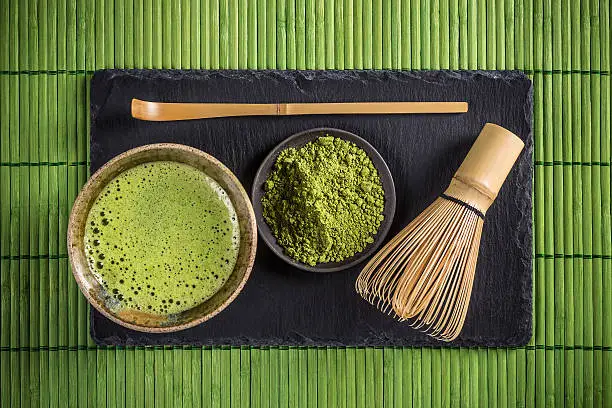
Matching Matcha Flavor to Business Needs: Selecting the Right Product
Ingredients must have the right taste for the job and meet the standards of the customer. Depending on the purpose of the business, it needs a different flavor profile to work well and keep customers happy.
Beverage Applications: From Traditional Tea to Innovative Drinks
It is the pure flavor of ceremonial-grade teas that shines through when they are made traditionally. The natural sweetness and smoothness take center stage. The tiny particles give the material a stable colloidal suspension that makes it smooth all over and doesn't have any grains. Types with a strong umami depth that keep their taste when mixed with milk or plant-based milks work best for lattes. There are now sports drinks, useful waters, and teas that change color. Matcha Powder is used in these drinks for both its taste and antioxidant profile. Particle size distributions and taste levels need to be changed so that the product has the right properties for each use. More and more, drink makers are giving more detailed information, like the amount of L-theanine, the types of catechins, and the properties of the dispersion, to make sure that the drinks are all the same from batch to batch when they are made on a large scale.
Culinary and Food Manufacturing Uses
Food companies use Matcha Powder in a lot of different foods, like baked goods, frozen desserts, sweets, and savory dishes. Compounds that change flavors when heat is applied will break down, but culinary-grade types are less expensive for these uses. Good for ice cream, puddings, and yogurt because of its bright color and useful properties. But it doesn't need to have as strong a taste for those foods as it does for drinks. Because of this, culinary-grade powder is often used in baked goods like cookies, cakes, and treats because it can handle higher temperatures than sensitive fragrance compounds can. Some creative businesses are now thinking about how to use Matcha Powder in savory foods like pasta, rice, and snacks, where it can add natural color and umami depth. When making things, you need to think about technical things like how the pH will change, how the ingredients will mix, and how to keep the color bright while the goods are being made and stored.
Importance of Organic Certification in B2B Procurement
Following the rules, getting rid of chemical residues, and keeping track of products are all important parts of the supply chain that are taken care of by organic approval. Strict records of how the food was grown, made, and handled must be kept in order to get approval from the USDA, the EU, and JAS (Japanese Agricultural Standards). These approvals make it easier to buy because they make sure that each batch is the same and eliminate the risk of contamination that could ruin whole production runs. As "clean labels" become more popular in the food and supplement industries, more certified organic ingredients are needed to back up marketing claims. People who buy in bulk and sell to health-conscious customers will find organic approval very useful for standing out. Organic certification often leads to stricter quality control rules all along the supply chain. This helps with marketing as well. You can buy things with less risk and build long-term relationships with sellers based on standards that have been proven instead of claims that have not been proven.
Practical Tips for Preserving Matcha Powder's Flavor and Freshness
Care must be taken with storage conditions, handling methods, and transportation management to keep the taste the same from the factory to the customer. Large buyers who have to keep track of their stock for a long time have a lot of trouble with quality going down.
Optimal Storage Conditions for Bulk Inventory
Light makes chlorophyll break down faster and starts the oxidation process of sensitive catechins, which takes away color and taste. To get rid of UV exposure, storage sites should use containers or packages that are opaque and block light. It's also important to keep the humidity under control, since moisture absorption above 5 percent makes things clump, grows bacteria, and oxidizes faster. Keeping the relative humidity below 50 percent in climate-controlled buildings makes things last much longer than when they are stored outside. Oxygen is the third most important thing that breaks things down. It mostly changes the volatile aromatic molecules that make things smell green and fresh. With vacuum-sealed packing or nitrogen cleaning devices, oxygen contact is kept to a minimum while the goods are being stored or moved. Temperatures that stay fixed between 2 and 8 degrees Celsius are best for keeping things for a long time. There are, however, times when room temperature is fine as long as other safety measures are taken.
Preparation Techniques That Maximize Flavor
When it comes to extracting flavors and how they taste, the temperature of the water is very important. Between 70 and 80 degrees Celsius is the best setting for preparation. This is below the point where too much heat gets rid of bitter chemicals and breaks down chlorophyll. Too many catechins are lost when the temperature is raised, which is good for some types of tea but not this one. This upsets the delicate balance of amino acids that makes the tea smooth. The right way to whisk changes both the taste and the texture by adding air and mixing the ingredients together. This makes the food feel better in your mouth. When used in a business setting, electric frothers give more consistent results than traditional bamboo whisks for making fine foam. The grade of the Matcha Powder and the reason for the preparation will determine the right amount of powder to water. Formal preparations, for instance, use about 1 to 2 grams per 60 milliliters, while latte preparations might need to raise the amounts to make sure the flavor stays with the milk.
Logistics Considerations for Bulk Procurement
Conditions for transport must be the same as conditions for storage so that quality doesn't drop during distribution. Temperature-controlled shipping is very important when you buy things from other countries because shipping can take weeks. It's important to check the quality of the package because even small holes that let light or water in can ruin whole orders. Stock is rotated based on when it was made so that older stock moves through the supply chain before the quality starts to get worse. When kept properly, most high-end types taste their best for 6 to 12 months. However, as soon as they are ground, they start to lose their quality. When buyers build ties with providers that do a lot of production, they can keep their stock fresh longer than when they buy from stored stock. As part of quality control, color metrics, particle size, moisture content, and sensory evaluation should all be checked against standards that have already been set.
Why Quality Matcha Powder Matters for Your Business
Getting high-quality products is good for business in more ways than one. Some of these benefits are building trust with customers, making your brand look good, and sstandingout from the rest. It's helpful for the supply chain to be clear when customers know more about the quality of the ingredients.
Because real Matcha Powder is smoother and tastes naturally sweet, it lets people make things that stand out in crowded markets. When people buy things that taste good, they review them, buy them again, and tell their friends about them. This brings in new users for less money. You can charge more and make more money if you base your brand on real, high-quality ingredients because they are more valuable. When quality stays the same from batch to batch, there are no issues with re-formulating or customer complaints that come up because of differences.
When you buy from sellers who have been cleared and have clear quality control systems, you lower the chances of getting something dirty, not following the rules, and having your reputation hurt. These suppliers have GMP-certified labs with analysis tools like HPLC, UV spectrophotometers, and rotary evaporators. This shows that they are committed to quality checks that go beyond just looking at and tasting the product. Getting expert help from experienced supplier teams speeds up the process of making new goods and helps solve problems with formulation.
As long as you work with reliable manufacturers, you can get stable prices, a steady supply chain, and the chance to come up with new ideas together. If a supplier wants their customers to succeed, they can help them plan strategically by telling them about new technologies, changes in the law, and market trends. Putting money into luxury sourcing ties pays off because it lowers the costs of buying things, improves quality, and makes the company more competitive in target markets.
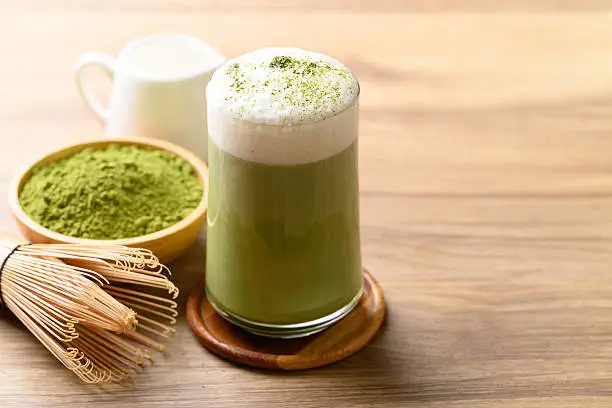
Conclusion
The unique smoothness and natural sweetness of premium Matcha Powder come from the way it is grown, processed, and its biochemical make-up. The flavor profile is what determines the quality grade. It is made up of the amount of L-theanine, chlorophyll, catechins, and the distribution of particle sizes. Matching these features to specific business uses makes the product work better and makes customers happier. Keeping track of how the things are moved, kept, and treated helps keep the flavors the same all along the supply chain. When you buy from sellers who have been accepted and have strong quality systems in place, you lower your risks and give your brand an edge over the competition. When buying ,workers know these things, they can make smart decisions that meet both quality needs and business goals.
FAQ
Q1: What chemical compounds create the sweet taste in matcha?
As for what gives Matcha Powder its natural sweetness and umami taste, L-theanine is the main amino acid that does it. The amount of L-theanine in ritual grades goes up to more than 18 mg per gram when they are grown in shade. Since it doesn't have any extra sugar, this chemical works with taste receptors to give Matcha Powder a round, savory sweetness. This is what makes Matcha Powder unique compared to other green tea products.
Q2: How does particle size affect smoothness?
Matcha Powder that is of good quality has been ultra-fine milled to 5 to 20 microns. Because the particles are in this range of sizes, they form a solid colloidal mixture instead of a simple solution. This means that there is no need for graininess or sedimentation. The particles are finer and more consistent when you grind something with stones instead of a machine. This changes how the food feels and tastes in your mouth.
Q3: Can culinary-grade matcha work for beverages?
Better kinds can be mixed with other things, like fruit, milk, or sweets, to make drinks that taste like a mix of Matcha Powder and those other things. But cooking grades aren't as good for making traditional tea or using in ways that bring out the taste of pure Matcha Powder because they are more bitter and have fewer amino acids. When used for drinks, special or expensive types taste better.
Partner with Fairir for Consistent, Premium-Quality Matcha Powder Supply
A factory owned by Shaanxi Fairir Biotech Co., Ltd. is 10,000 square meters and has GMP certification. The building has high-tech tools for analysis and extraction, such as spinning evaporators, HPLC, and UV spectrophotometers. There is no change in quality when we have a lot of orders because our three fully automatic production lines can handle up to 98% of the material they need. We have strict rules for quality control, and we can make formulations that are just right for your needs. We've been selling Matcha Powder for a long time, so we know how important it is for your product development that the flavors stay the same, the batches are always the same, and you can get technical help quickly. We'd love to hear about your needs and find ways that we can help your business grow. You can email our sales team at sales@fairirbiotech.com.
References
1. Ashihara, H., & Suzuki, T. (2019). Distribution and biosynthesis of caffeine and related purine alkaloids in plants. Frontiers in Bioscience, 14, 1833-1848.
2. Goto, T., Yoshida, Y., & Kiso, M. (2020). The influence of shade cultivation on the chemical composition and sensory characteristics of Japanese green tea. Journal of Agricultural and Food Chemistry, 68(11), 3302-3312.
3. Horie, H., Ema, K., & Sumikawa, Y. (2018). Chemical components of matcha and powdered green tea. Journal of the Science of Food and Agriculture, 98(2), 753-758.
4. Kumazawa, K., & Masuda, H. (2021). Identification of key odorants in different grades of Japanese green tea. Journal of Agricultural and Food Chemistry, 69(4), 1298-1306.
5. Sakurai, T., Nishioka, H., & Fujii, H. (2020). Effects of particle size on dispersion stability and sensory properties of matcha suspensions. Food Science and Technology Research, 26(3), 341-349.
6. Yamamoto, T., Juneja, L. R., & Kim, M. (2019). Chemistry and applications of green tea extracts. CRC Press Food Science Series, 276-294.