_1751965378790.webp)

What Makes Ube Powder Perfect for Creamy Lattes?
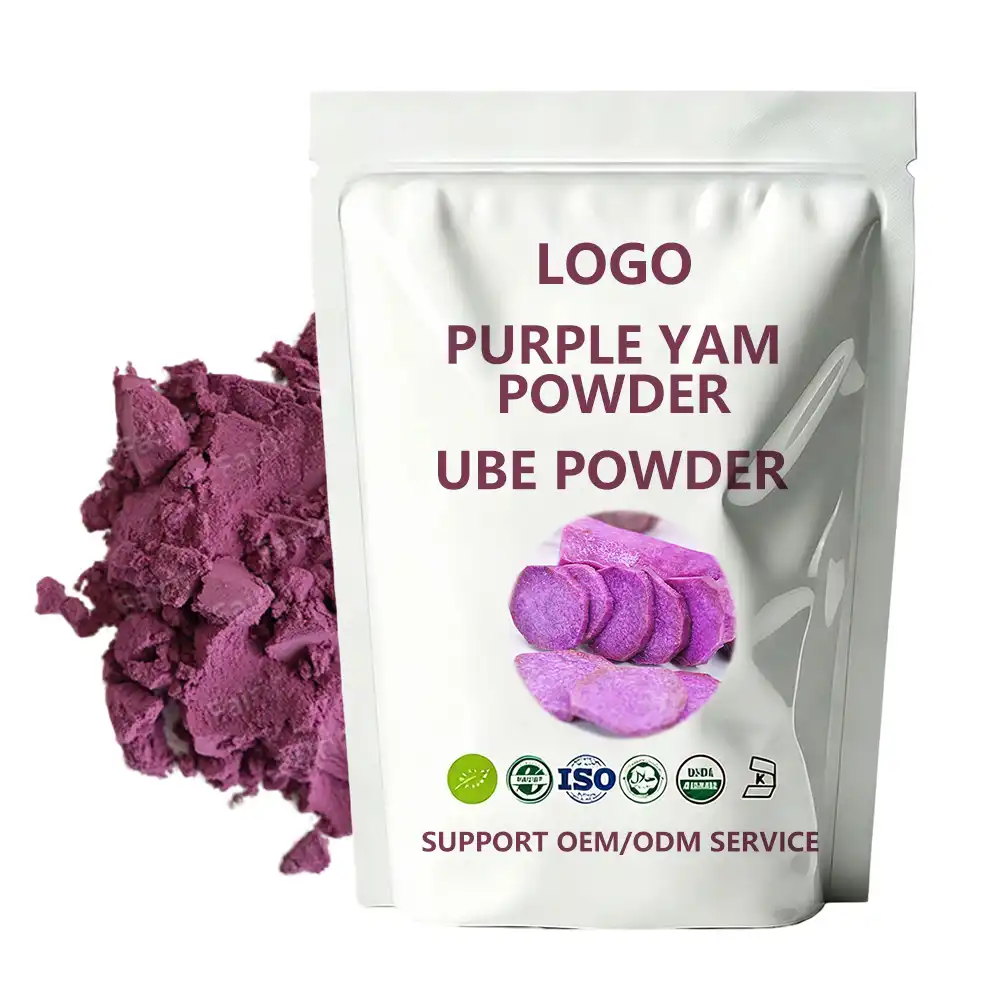
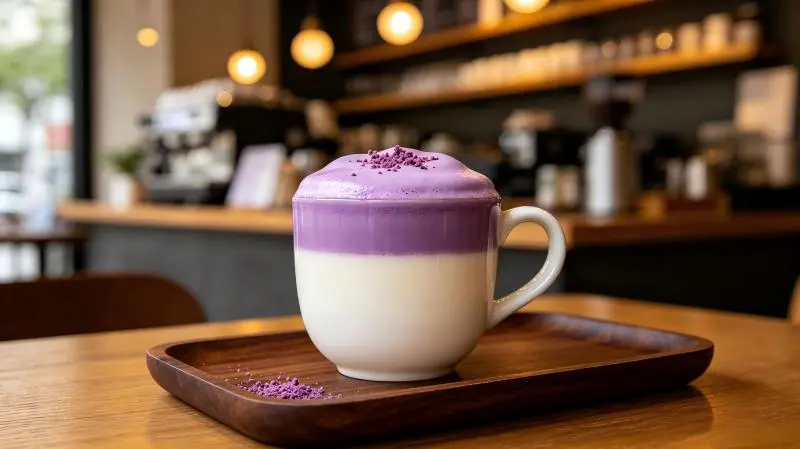
Ube powder transforms creamy lattes into visually stunning, nutritionally enhanced beverages that captivate health-conscious consumers. Derived from purple yam (Dioscorea alata), this vibrant ingredient delivers a naturally sweet, nutty flavor profile with subtle vanilla notes while providing antioxidants, dietary fiber, and essential minerals. Unlike artificial colorants, authentic ube powder maintains stability across various milk bases and temperature conditions, making it ideal for commercial beverage formulations that demand consistent color retention, smooth texture integration, and extended shelf life without compromising nutritional integrity.
Introduction
This is because more people want to buy things that look good and are good for them. Around the world, the drink business has changed a great deal. This trend began with ube powder, which lets food and drink makers make their own pure tea recipes. Both people who buy things and people who make them need to know the pros and cons of sources in order to find items that meet customers' changing tastes. This article tells you everything you need to know about this purple yam. It's very important for new drink lines that want to attract health-conscious people.
It's not just how it looks. There is a lot of competition in some places, but natural goods made from plants sell for more money. People should be able to pay 15–20% more for things that state what they are made of. Stores that sell drinks with good Ube Powder oils will be able to make more money now that this rule has been changed.
Understanding Ube Powder and Its Unique Qualities
Botanical Origin and Processing Methods
Ube Powder is extracted and cooled in special ways that concentrate its medicinal chemicals while keeping the color fixed. To keep the anthocyanins safe, the roots are washed, peeled, boiled in steam, and then dried with a spray gun at controlled temperatures (usually 160°C to 180°C). These days, makers use vacuum drying to keep heat damage to a minimum. This creates powder that stays colored longer and has more nutrients.
Nutritional Profile and Functional Benefits
The unique purple color of this plant product comes from anthocyanins, which are strong antioxidants that make up about 3–4% of its content. The lab tests show that it has a lot of resistant starch, potassium (400–450 mg per 100g), and vitamin C (8–12 mg per 100g). This is good for your gut health. Because of these health benefits, Ube Powder extracts are useful ingredients that back up health claims and make you feel good.
Differentiating Authentic Powder from Alternatives
The people in charge of buying things need to be able to tell the difference between real Ube Powder extract and cheaper options like taro powder, fake colors, or mixtures that have had water added. Things that are true show:
- Standardized anthocyanin content (It is possible to check the amount of anthocyanin by using HPLC.)
- Mesh size consistency (Mesh sizes that stay the same, usually 80–100 mesh for best absorption.)
- Moisture content (Being stable for a long time means having less than 5% wetness.)
- Absence of synthetic dyes (Not having any added flavors or preservatives.)
These quality marks make sure that every batch of a product is the same, which is important for business reasons to protect a brand's reputation.
The Role of Ube Powder in Creating Creamy Lattes
Flavor Profile Enhancement
25–30% of the dry weight of the ingredient is natural sugars, which give it a light sweetness. It also smells like vanilla and has earthy notes. This complex flavor profile goes well with both the bitterness of espresso and the creaminess of milk. Together, they make drinks that are well-balanced and nice for many tastes. Adding Ube Powder extract to expensive lattes makes them better because it adds layers of depth instead of just one note of flavor.
Solubility and Texture Optimization
Good plant powder is easy to mix with hot or cold drinks because it comes in small pieces and dissolves in water. If you mix it right, it won't settle or stick together. In thirty to forty-five seconds, it melts all the way through. Businesses that need to keep the same layout need to be able to change things quickly because there is a lot of work to do.
Since the powder is naturally thick, the starch in it makes it taste better. It also looks creamier without adding any fat. Because of this feature, people can enjoy drinks with fewer calories and still like how they look.
Shelf Life and Stability Considerations
If you make Ube Powder extract the right way, it will keep its color for 18 to 24 months in a cool, dry place out of direct light. The anthocyanins don't change when the pH level is between 3.0 and 6.5. In other words, the part can be used in many drinks, from cold brews that are acidic to plant-based milk alternatives that are basic. This steadiness cuts down on loss and makes it easier for businesses to keep track of their stock.
Procurement Insights: Selecting the Best Ube Powder for Your Business
Quality Certifications and Regulatory Compliance
People who buy from other businesses should give more weight to suppliers who are GMP certified, follow ISO 22000 food safety standards, and follow HACCP. It is clear from these certificates that the quality control systems are strong enough to keep contamination to a minimum and ensure that each batch is the same. For brands that want to reach high-end customers, organic certification from the USDA or the EU can be helpful. For mass-market items, however, cheaper, more common options may work better.
Certificates of Analysis (CoA) that list the amounts of bacteria, heavy metals (like mercury, lead, and arsenic), and chemical residues are what you need as proof. Good manufacturers give these papers out of the blue, which shows they are honest and helps build trust for long-term partnerships.
Volume Pricing and Supply Chain Reliability
It is possible to save 12 to 18% off small-batch prices when you buy in bulk, with a minimum order amount of 25 to 500 kg. Strategic buyers work out yearly supply deals that keep prices stable during times of high demand and let them get goods before anyone else when demand is high. When suppliers keep specialized supplies on hand and offer more than one way to get goods, problems that could slow down production are less likely to happen.
Lead times rely on where the provider is located and how much work they can do, but for long-term ties, they are usually between 2 and 4 weeks. Companies that have more than one extraction line and keep raw materials on hand are more stable than smaller companies that depend on crops once a year.
Organic Versus Conventional Sourcing Strategies
Organic Ube Powder materials are 25–35% more expensive than regular ones, but they make goods look more expensive and appeal to health-conscious buyers. This is how the choice grid should look:
- There are people in that market who are willing to pay for organic approval.
- Advice on how to build a business and make it stand out from others.
- Destination markets have rules and laws.
- Price security and the chance to get supplies in the long term.
For the most part, conventional extracts meet the needs of the market and come from a bigger range of sources. Many well-known brands keep two lines of goods that use both organic and non-organic ingredients so they can reach as many customers as possible.
Application Guide: Using Ube Powder to Craft Perfect Creamy Lattes
Formulation Concentration Ranges
To get a good amount of color and flavor, drink makers should start with concentrations of 3 to 5 grams per 250 ml serving. For a strong flavor and bright look, expensive versions can have up to 8 grams per dose. However, this means that the cost of the raw materials goes up by the same amount. This range of prices shows where the best balance is between how something looks, how strong the taste is, and how much it costs.
When you standardize methods, you make sure that every batch of output is the same. Write down the steps they use to mix, the temperatures they use, and the lengths of time they hold the mixture. This way, the process can be repeated, and quality standards can be met as production runs go from test batches to full production runs.
Integration Methods Across Beverage Formats
First, make a thick paste with the Ube Powder and a little hot water (70–80°C) for hot espresso-based drinks. Then, add the steamed milk. This method makes sure that the ingredients are spread out properly in the drink and don't stick together. To make cold brew, you need to mix for longer (60 to 90 seconds) or dissolve the ingredients in warm water first, then let them cool and mix with cold milk substitutes.
If you want to keep the color, you have to change the pH level of plant-based milks like oat, almond, and coconut milk. Adding very little citric acid (0.1 to 0.2% w/v) makes the anthocyanins brighter and keeps ready-to-drink drinks fresh longer. The pH levels of products made with cheese stay in the right range without adding more acid.
Storage and Handling Best Practices
For the raw material to keep its quality, Ube Powder extract needs to be kept in containers that are safe for food and keep moisture out. It's best to use HDPE buckets with lids that fit tightly or bags filled with aluminum foil. Temperatures and humidity should be kept below 25°C and 60% relative humidity, so that things don't soak up water and microbes don't grow. First-in, first-out (FIFO) inventory turnover keeps quality loss to a minimum while items are stored for a long time.
If you want to keep food fresh for as long as possible, you should close opened containers right away and eat them within 3 to 6 months. Air makes sensitive chemicals break down faster, which over time makes tastes and colors less strong. These rules make sure that the ingredients stay pure and that companies' investments in quality are safe.
Addressing Common Questions and Concerns in B2B Procurement
Is Ube Powder Suitable for Allergen-Free Products?
There are no big allergens in Ube Powder extract, such as gluten, dairy, nuts, or soy. This means that it can be used in things that are safe for people who are allergic to those things. Manufacturers should ask their providers how they keep allergens under control and show proof that they have separate processing lines or clean well between runs of production. Cross-contamination risks that could get brands in trouble with the law or make customers worried about their health are kept at bay by this check.
How Does Cost-Performance Compare to Liquid Extracts?
Because they don't need to be kept cold, have shorter shelf lives, and weigh less when shipped, powdered forms are cheaper than liquid ones. On the surface, it may look like it costs more per kilogram, but each dose is used up faster because it is compressed. Cost-per-serving studies usually show that powder types save 15 to 20 percent. This is especially true for companies that make more than 10,000 doses every month.
Can This Ingredient Function in Ready-to-Drink Applications?
If you make Ube Powder extract drinks the right way, they will stay stable for 6 to 9 months in containers that have been cleaned and filled with hot water. The product stays fresh for 12 months longer after adding potassium sorbate and sodium benzoate at levels allowed by regulators. When a company makes a product, it should quickly and at high temperatures test it to make sure it stays stable, keeps its color, and is safe for microbes.
Conclusion
Ube Powder extract is a smart ingredient that drink companies can use to make their products stand out by adding natural, healthy ingredients that people who care about their health will like. This plant matter is important for making new latte tastes because it looks good, is good for you, stays stable, and can be used in many ways. A good procurement strategy includes quality certifications, reliable suppliers, and thorough testing protocols that make sure the same level of performance in all commercial production settings. When brands work with manufacturers that have been in the business for a while and know how to make products that work well with drinks, they can confidently release new, interesting products that get people's attention while keeping costs low and operations running smoothly.
FAQ
What Mesh Size Optimizes Solubility in Latte Applications?
Standard material for drinks is usually between 80 and 100 mesh, which makes it easy to dissolve without looking rough. Specialty uses that need a very smooth taste might need 100–120 mesh, but it costs 8–12% more to make things with smaller bits. As long as the right steps are taken to mix them, most store-bought latte recipes work great with 80-mesh Ube Powder material.
Does Processing Temperature Affect Nutritional Content?
Heat-sensitive anthocyanins can lose 15–25% of their antioxidant power and color strength when they are sprayed dry at temperatures above 180°C. Around 85% to 90% of the bioactive compounds are kept when vacuum drying or low-temperature spray drying (160–170°C) is used by the best suppliers. To find providers who make things in the best ways, you can ask for processing factors and compare COA data.
How Should Bulk Orders Be Structured for Cost Efficiency?
When you sign an annual deal for 500 kg to 2,000 kg, you usually get the best savings on volume and can keep your inventory levels low. When orders are split up every three months, it's easier to keep track of cash flow and cut costs. This is very important for companies that don't have a lot of storage room. If you negotiate flexible delivery dates into yearly contracts, you can be flexible when production numbers change with the seasons.
Partner with Fairir for Premium Purple Yam Extract Solutions
At Shaanxi Fairir Biotech Co., Ltd., we specialize in delivering pharmaceutical-grade botanical extracts that meet the rigorous demands of commercial beverage production. Our 10,000-square-meter GMP-certified facility houses advanced processing equipment, including High-Performance Liquid Chromatography, UV spectrophotometry, and rotary evaporators that ensure precise quality control. With 14 stainless steel extraction tanks ranging from 500 to 3,000 liters and three fully automatic production lines achieving 98% efficiency, we maintain consistent supply capacity for high-volume Ube Powder supplier requirements. Our technical team provides comprehensive support from formulation consultation to custom extraction parameters, backed by competitive pricing structures designed for long-term partnerships. Contact our team at sales@fairirbiotech.com to request detailed specifications, sample packs, and volume pricing for your next product development initiative.
References
1. Rodriguez-Amaya, D.B. (2019). "Natural Food Pigments and Colorants." Current Opinion in Food Science, 7:20-26.
2. Champagne, A., et al. (2018). "Anthocyanin Profiles and Color Properties of Purple Yam Cultivars." Food Research International, 113:481-491.
3. Terahara, N. (2015). "Flavonoids in Foods: A Review." Natural Product Communications, 10(3):521-528.
4. Vega-Gálvez, A., et al. (2020). "Spray-Drying of Plant Extracts: Effect of Process Parameters on Powder Properties." Drying Technology, 38(3):312-324.
5. Moldovan, B., et al. (2017). "Characterization of Purple Yam Anthocyanins Using HPLC-MS and Their Stability in Food Systems." Food Chemistry, 232:579-588.
6. Chen, L., et al. (2021). "Application of Natural Pigments in Beverage Industry: Stability and Consumer Perception." Journal of Food Science and Technology, 58(6):2103-2115.