

What Role Does Coenzyme Q10 Powder Play in Cellular Protection?
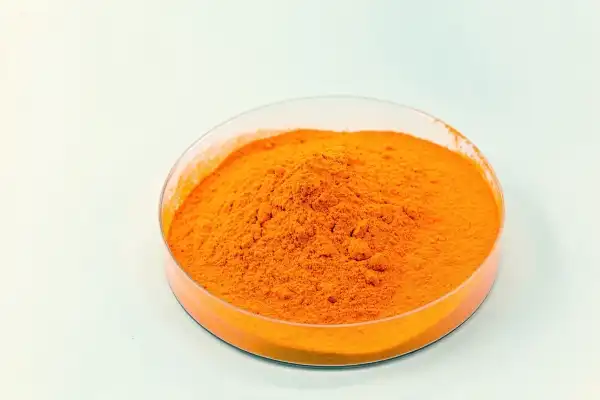
Coenzyme Q10 Powder serves as a critical guardian of cellular integrity by functioning as both an electron carrier in the mitochondrial respiratory chain and a potent lipid-soluble antioxidant. Reactive oxygen species can't damage the membranes, proteins, and DNA of cells because of this solid yellow-to-orange material. Getting rid of free radicals and keeping mitochondria running well are two direct ways that coQ10 powder protects cells from oxidative stress. A lot of things that cells do rely on ATP, which is made all the time. It is important in drugs, nutraceuticals, and products that aim to improve cell health and life because it does two things.
Understanding Coenzyme Q10 Powder and Its Role in Cellular Protection
Biochemical Foundation of Cellular Energy Production
Microbes called mitochondria are needed by all living things to turn food into energy that cells can use. Ubiquinone is another name for coenzyme Q10 Powder in the scientific world. The chain that moves electrons around in the mitochondrial membranes is where it works. This benzoquinone molecule's electrons are moved from Complex I/II to Complex III. The difference in protons is what makes ATP. The process of cellular respiration stops when there is not enough CoQ10 Powder. This wastes power and breaks down cells. There are many steps that the body takes to make this compound, but tyrosine and acetyl-CoA are two of the most famous. But after age 30, a lot less is made, so people need to take vitamins.
How CoQ10 Protects Cells from Oxidative Damage
O2 stress is when free radicals are stronger than the antioxidants that cells use to protect themselves. This hurts the proteins, nucleic acids, and lipids in cell walls. These two kinds of Coenzyme Q10 Powder can be switched between. They are oxidized ubiquinone and reduced ubiquinol. Fuzzy peroxyl and superoxide radicals are fought by the ubiquinol form, which gives up electrons. Vitamin E is also made again in this way. There are chain reactions going on here that would hurt more cells if they didn't stop. Taking vitamins can help cells that are under a lot of metabolic stress get back to a state of redox balance in people who have been studied. Muscles in the heart, skeleton, and nerve cells are some of these tissues.
Safety Profile and Regulatory Certifications
To meet the requirements of the USP, EP, and JP monographs, industrial-grade CoQ10 Powder goes through strict quality control. Toxicology tests support very high safety levels, and human trials show no bad effects at doses up to 1200 mg daily for long periods of time. Standard Ames tests show that the substance does not damage DNA or cause mutations. For business-to-business clients, choosing GMP-certified manufacturers makes sure they follow FDA rules about dietary supplements and EU rules about novel foods. Certificates of analysis should be included in batch paperwork to show that:
- Assay content between 98.0% and 101.0% measured via HPLC.
- Heavy metal limits (Pb < 0.5 ppm, As < 1 ppm, Hg < 0.1 ppm) were confirmed by ICP-MS.
- Microbial contamination below the standards set by the pharmaceutical industry (Total Plate Count < 1000 cfu/g).
- Residual solvent compliance with ICH Q3C guidelines.
These approvals ensure that companies that make medicines and supplements ensure that the raw materials meet international safety standards for use on people and in cosmetics.
Key Benefits of Coenzyme Q10 Powder in Various Industries
Enhancing Cellular Energy via ATP Production
Coenzyme Q10 Powder's role in bioenergetics is what it is mostly used for in industry. This ingredient helps muscle cells' mitochondria work better, which helps with exercise-induced tiredness in sports nutrition products. Researchers have found that athletes who take 100–300 mg of this substance every day use oxygen more efficiently during aerobic exercise and have lower levels of signs of oxidative muscle damage. For companies that make dietary supplements, this means making claims about their products that are backed up by peer-reviewed clinical data. These claims should be about things like energy support, physical performance, and healing. The compound's ability to keep cellular energy homeostasis also helps older people whose mitochondrial function naturally decreases with age.
Antioxidant Properties for Skin and Hair Health
CoQ10 Powder is added to anti-aging serums, lotions, and hair care products by cosmetic companies because it can protect skin cells from oxidative stress caused by UV light. When applied topically, it goes through the stratum corneum to the epidermal and dermal layers, where it protects collagen and elastin fibers from breaking down. In vitro studies show that CoQ10 Powder lowers the activity of matrix metalloproteinases, which are enzymes that cause wrinkles. Research on hair follicles shows that oxidative stress leads to early graying and follicle miniaturization. Using ubiquinone in scalp treatments helps protect follicular stem cells and keeps melanocytes working. Personal care brands use these scientifically proven methods to make high-quality lines of anti-aging and hair-revitalizing products.
Cardiovascular Wellness and Clinical Applications
Heart muscle has the most mitochondria of any tissue in the body, which makes it especially vulnerable to losing CoQ10. Pharmaceutical firms are looking into ubiquinone supplements as a way to help people with congestive heart failure, where mitochondrial instability leads to a lower ejection fraction. A review of randomized controlled studies shows that taking supplements every day raises the NYHA functional rating and lowers the risk of major adverse cardiovascular events. Nutraceutical formulators combine CoQ10 Powder with omega-3 fatty acids, magnesium, and B vitamins to make cardiovascular support blends that are used for more than just therapeutic purposes. This heart health benefit in many ways opens up new market opportunities in the preventive health and clinical nutrition segments.
Comparing Coenzyme Q10 Powder with Other Forms and Brands
Powder versus Capsules, Tablets, and Liquid Forms
Procurement teams have to compare the needs for formulation with the transportation methods that are available. Pure crystalline Coenzyme Q10 Powder gives manufacturers the most options for custom blending, so they can change the dose and mix it with other ingredients that work well together to make their own formulas. But because it is lipophilic, it is hard for the body to absorb when eaten without fat. Powder that is mixed with oil in capsules helps the body absorb it better by creating micelles in the intestines. Softgel technology makes dissolution even better by soaking CoQ10 Powder in soybean oil or medium-chain lipids first. Liquid mixtures make useful drinks easier to make, but they need to be carefully made so that they don't oxidize or precipitate. Specialized fillers are needed for tablet forms to make sure that the content is uniform and doesn't break down. Industrial buyers should choose the right form for the job. Bulk powder is best for private-label manufacturers who need to be able to vary doses, while pre-formulated capsules make production easier for brands that don't have their own encapsulation capabilities.
Organic versus Synthetic Production Methods
There are two main ways to make it: chemical synthesis from solanesol or whole-cell fermentation with Agrobacterium tumefaciens or Rhodobacter sphaeroides. The material that comes from fermentation only makes the all-trans isomer structure, which is bio-identical to human CoQ10 Powder and guarantees the highest level of biological activity. This method fits with what consumers want (clean labels) and how organic certification works. In the past, chemical production produced mixed isomer populations with inactive cis-forms. However, current methods achieve >99% trans-isomer purity. Concerns about starting materials made from petroleum are also taken care of by fermentation, which meets green standards that are becoming more important to European and North American brands. When comparing suppliers, purity specifications become very important. Premium fermentation batches achieve 98–101% assay with residual fermentation nutrients below detection limits, while lower synthetic grades may have process impurities that make the product less stable and bioavailable.
Evaluating Trusted Manufacturers and Certifications
To find a trusted provider, you need to do more than just compare prices. People who work in procurement should check producers for:
GMP certification shows that facilities follow tested standard operating procedures to keep things clean, make sure equipment is calibrated, and keep track of batches. ISO 9001 quality management systems make sure that process rules are the same from one production run to the next. Third-party testing by accredited laboratories (ISO 17025 certified) checks the claims on the label and looks for added substances. Scale possibilities for stable long-term supply are shown by manufacturers who run 3 fully automatic production lines with 14 stainless steel extraction tanks that range in size from 500 to 3000 liters. When the extraction rate reaches 98%, it means that the processing has been adjusted to get the highest yield while keeping the quinone ring structure. Private-label options, such as custom particle sizing, mix recipe, and particle size, help brands stand out. Clear discussion about minimum order quantities, wait times, and regulatory paperwork makes procurement rounds go more smoothly.
Practical Guide to Using and Procuring Coenzyme Q10 Powder
Recommended Dosages Across Applications
There is a wide range of dosages used in clinical and business settings, based on the health or therapy goals. Cardiovascular support protocols usually use 100–300 mg of Coenzyme Q10 Powder daily, split into two or three doses. This is in line with research that shows better endothelial function and lower levels of oxidative stress markers. 150–200 mg per dose is added to sports nutrition to help with mitochondrial biogenesis and workout recovery. 50–100 mg is often found in anti-aging products as part of larger antioxidant combinations. To get dermal bioavailability without irritation, cosmetics like serums and creams use concentrations of 0.3% to 1.0% (w/w) in oil-soluble phases. Manufacturers have to find a mix between cost, competitive placement, and the level of effectiveness they want to achieve. Because CoQ10 Powder is sensitive to light and high temperatures, stability tests should be done to make sure that the product stays effective over time.
Formulation Strategies to Maintain Ingredient Integrity
When UV light, oxygen, and heat above 50°C hit the all-trans isomer configuration, it breaks down. For formulation to work, protective strategies must be made to fit the delivery system. Adding natural antioxidants like ascorbyl palmitate or mixed tocopherols (vitamin E) works together to protect against auto-oxidation. Using modified starches or gelatin materials in microencapsulation technologies protects the quinone ring while making it easier for the compound to dissolve in water. Softgel makers mix powder with fatty vehicles that have the right amount of BHT or BHA to keep the product fresh for longer than 24 months. When making tablets, workers should not use too much compression force and should use low-temperature granulation methods to keep the tablets from breaking down at high temperatures. As part of the rules for packaging, amber or opaque containers must be used with nitrogen washing and desiccant packets to keep moisture and light from getting inside during storage and shipping.
Key Procurement Criteria and Supplier Evaluation
When professionals buy something, they look at more than just the unit price. Take a look at these important rating points:
- Price Dynamics and MOQ: Market rates change based on the cost of fermenting substrates and changes in world demand. Getting multi-year supply agreements with price adjustment clauses will protect you from price changes. For initial tests, the minimum order quantity is usually 5 kg. For business production runs, it's usually 100 kg or more. Tiered pricing structures that improve margin economics can be used when volume commitments are made.
- Certification Verification: Ask for up-to-date GMP certificates, FSSC 22000 food safety certification, and audits that are tailored to each customer. With Halal and Kosher certificates, you can reach more customers. Organic certifications, like USDA NOP and EU Organic, come with higher prices but are in line with how natural products are marketed.
- Analytical Documentation: Each batch should have certificates of analysis that show HPLC chromatograms proving isomer purity, ICP-MS heavy metal screening, GC residue solvent analysis, and bacterial test results. Independent validation is added by third-party verification by SGS, Eurofins, or similar labs.
- Supply Chain Reliability: Check to see if your suppliers keep enough safety stock to cover 60 to 90 days of production. Disruption risks are lower when supplies come from multiple sites in different areas. Logistics skills, such as cold-chain shipping, keep products safe while they're traveling across borders.
With these evaluation criteria, procurement teams can find partners who can help with long-term growth while also staying in line with changing regulations. Direct connections with companies that run cutting-edge extraction facilities, like continuous countercurrent extraction systems and vacuum belt drying equipment, give you access to cutting-edge production technologies that give you better control over particle size and purity levels that you can't get through broker middlemen.
Future Outlook and Trends in Coenzyme Q10 Powder for Cellular Protection
Innovations in Delivery Technology
Bioavailability is still the main problem that limits Coenzyme Q10 Powder's healing potential. New nanoemulsion technologies use high-pressure homogenization to make sub-100nm droplets that skip the first-pass metabolism in the liver and get three to four times higher plasma concentrations than regular formulations. Using phosphatidylcholine vesicles for liposome packaging mimics the body's own chylomicron transport, which improves absorption even more in the intestines. These new delivery systems make functional foods and drinks more appealing, which were previously limited by their inability to dissolve in water. Nanoemulsions that are compatible with water are now added to ready-to-drink energy shots and enriched waters by beverage companies. This gives more options for consumers than just capsules.
Market Growth Drivers and Regional Demand
The world's demand is growing faster because people in developed economies are living longer and people in developing markets are becoming more health-conscious. People in North America and Europe are looking for ingredients that are backed by science to help them stay healthy. CoQ10 Powder is known to help mitochondria work better and keep you healthy as you age. As EFSA health claims and FDA GRAS status lower barriers to entry into the market, regulations become clearer. The U.S. food supplement market is expected to grow by more than 10% each year until 2030. Heart health and brain health supplements will be the most popular. Asian markets, especially Japan and South Korea, have a big need for anti-aging products that contain ubiquinone. This spread out geographical spread opens up opportunities for suppliers who know about local rules and regulations and can make flexible packaging arrangements.
Sustainability and Ethical Sourcing Considerations
Environmental consciousness reshapes ingredient sourcing preferences. Fermentation-based production is in line with the circular economy because it uses green feedstocks and makes less harmful waste than petrochemical synthesis paths. Companies that use green chemistry ideas, like solvent recovery systems and drying technologies that use less energy, are appealing to companies that have to be environmentally friendly. Concerns about supply chain ethics can be addressed by being clear about where fermentation substrates come from (non-GMO glucose sources, approved sustainable palm-derived nutrients). Multinational companies that use ESG buying policies give suppliers who keep records of their carbon footprint estimates and take part in third-party sustainability audits a competitive edge.

Conclusion
Because of its scientifically proven roles in cellular energy production and oxidative stress protection, Coenzyme Q10 Powder is a crucial component of the pharmaceutical, nutraceutical, cosmetic, and food industries. By learning about the biological processes, formulation issues, and quality standards, you can make smart purchasing choices that balance usefulness, compliance, and cost-effectiveness. As delivery technologies improve and customer knowledge rises, companies can take advantage of growing market possibilities while still meeting strict regulatory standards by forming smart relationships with certified manufacturers who offer open quality systems and the ability to make more products.
FAQ
Is CoQ10 Powder Safe for Large-Scale Manufacturing?
A lot of clinical use and toxicological testing over many years have shown that ubiquinone is very safe. Regulatory bodies like the FDA (GRAS status) and the EFSA have said that it is safe to use Coenzyme Q10 Powder as a food supplement. In order to meet pharmacopeial standards for microbial control, heavy metal limits, and residue solvent compliance, manufacturing activities must set up quality systems. Cross-contamination can't happen in GMP-certified sites that have tested cleaning methods and environmental tracking. Standardized manufacturing protocols and analytical verification through HPLC are needed for batch-to-batch consistency. This makes sure that products live up to what they say on the label throughout their shelf life. Stability is maintained for 24 to 36 months when properly packaged and handled while being protected from light and heat during storage.
How Do Different CoQ10 Forms Compare in Industrial Applications?
The reduced form of ubiquinone, ubiquinol, has different qualities that are important for formulation techniques. Ubiquinone makes chemicals more stable during processing and gives finished products a longer shelf life. Ubiquinol is more bioavailable right away, but it needs to be protected from free radicals and kept in a dry environment to keep it from turning back into ubiquinone. The crystalline rigidity of ubiquinone makes it easier to make processes like tableting and pill filling. Ubiquinone is often used in cosmetics because it works well with oil-phase ingredients and doesn't change color. Industrial buyers should choose a form that fits their processing needs. Standard ubiquinone powder works better for facilities that don't have specialized encapsulation equipment for moisture-sensitive ingredients.
What Certifications Should Manufacturers Provide?
To fully evaluate a seller, you need to check more than one level of approval. For building design, process approval, and quality control, GMP certification makes sure that the way things are made meets standards for pharmaceutical-grade products. ISO 9001 quality management shows how to consistently improve and make customers happy in a planned way. Food safety certificates like FSSC 22000 or GFSI show that the company can keep food from getting contaminated. Organic standards, like USDA NOP and EU Organic, make sure that natural handling rules are followed. With Halal and Kosher certifications, you can reach a wider range of customers. Third-party testing documents from ISO 17025-certified labs independently verify analytical claims. This reassures buying teams of the validity and purity of ingredients, which is needed to meet legal requirements in target markets.
Partner with Fairir for Premium Coenzyme Q10 Powder Supply
The production plant at Shaanxi Fairir Biotech Co., Ltd. is 10,000 square meters and is GMP-certified. It has 14 stainless steel extraction tanks with capacities ranging from 500 to 3000 liters, continuous countercurrent extraction systems, and vacuum belt drying equipment. Our three fully automatic production lines remove 98% of the Coenzyme Q10 Powder, and the quality of the powder is checked using HPLC to make sure it is at least 98% pure. The powder meets USP and EP standards. As a reliable company that makes Coenzyme Q10 Powder, we offer full quality documentation that includes heavy metal screening by ICP-MS, residual solvent analysis, and microbiological testing done in our advanced analytical laboratory with UV spectrophotometers and rotary evaporators. If you need standard mesh or micronized particle specifications for softgels, tablets, or cosmetic uses, our experienced team can help you with custom formulations. We also offer competitive bulk pricing and reliable delivery schedules. You can email our sales team at sales@fairirbiotech.com to ask for certificates of analysis, talk about minimum order quantities (MOQs), or set up an evaluation of a sample. We're dedicated to backing your product innovation with quick technical support and quality that meets international legal standards.
References
1. Crane, F.L. (2001). Biochemical Functions of Coenzyme Q10. Journal of the American College of Nutrition, 20(6), 591-598.
2. Hernández-Camacho, J.D., et al. (2018). Coenzyme Q10 Supplementation in Aging and Disease. Frontiers in Physiology, 9, 44.
3. Mortensen, S.A., et al. (2014). The Effect of Coenzyme Q10 on Morbidity and Mortality in Chronic Heart Failure: Results from the Q-SYMBIO Study. JACC: Heart Failure, 2(6), 641-649.
4. Zmitek, J., et al. (2008). Relative Bioavailability of Two Forms of a Novel Water-Soluble Coenzyme Q10. Annals of Nutrition and Metabolism, 52(4), 281-287.
5. Hoppe, U., et al. (1999). Coenzyme Q10, a Cutaneous Antioxidant and Energizer. BioFactors, 9(2-4), 371-378.
6. Shindo, Y., et al. (1994). Enzymatic and Non-enzymatic Antioxidants in Epidermis and Dermis of Human Skin. Journal of Investigative Dermatology, 102(1), 122-124.