Why Choose Ube Powder for Natural Purple Food Coloring?
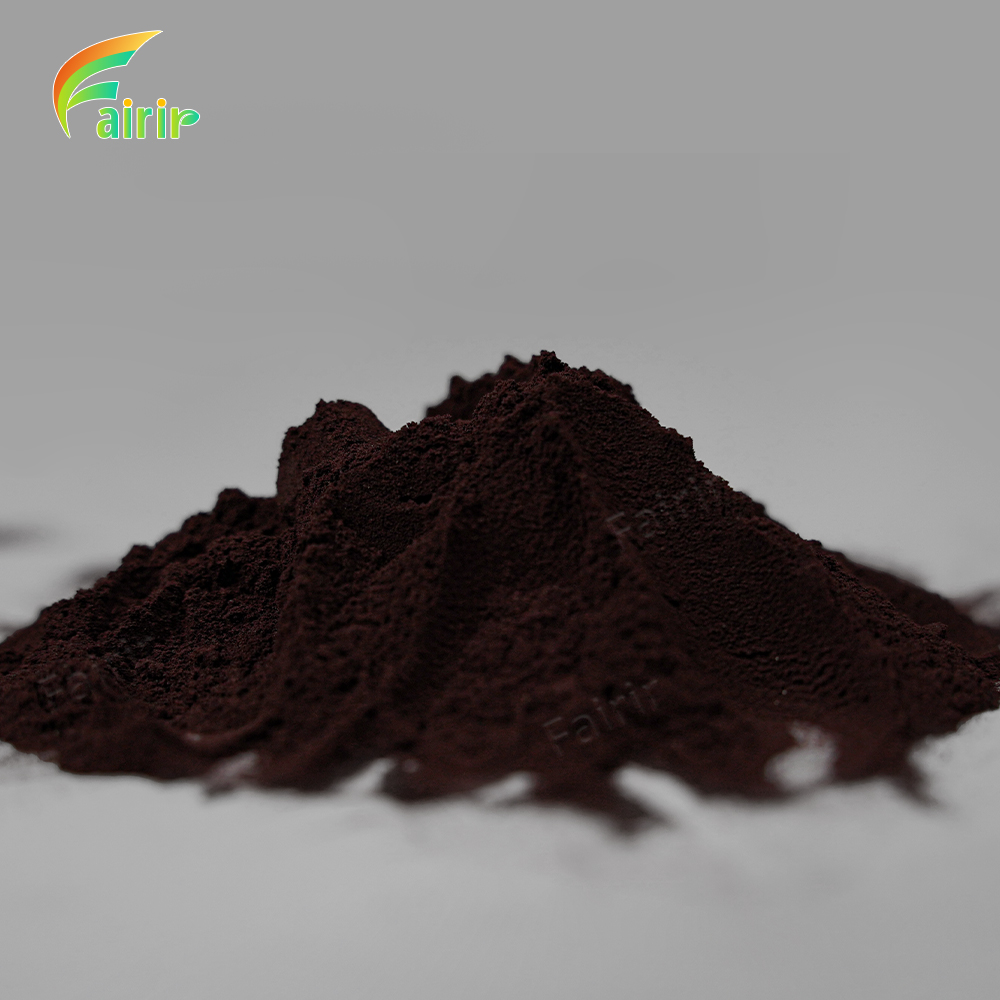
Ube powder is one of the most persuasive solutions that are now accessible to you if you are looking for a natural purple colorant that not only has a remarkable visual effect but also has the credibility of a clean label. The purple yam, also known as Dioscorea alata, is the source of this finely milled substance, which possesses a naturally brilliant violet hue that is driven by anthocyanins. These anthocyanins are the same bioactive molecules that are responsible for the antioxidant characteristics of the item. Ube powder, in contrast to synthetic colors, combines color, flavor, and nutrition in a single component. As a result, it is a truly multipurpose raw material that can be utilized by food makers, nutraceutical developers, and cosmetic formulators alike.


What Makes Ube Powder Distinct from Similar Ingredients
Ube Powder, Taro Powder, and Purple Sweet Potato Powder are not the same thing, despite a common misconception in the business.
Ube vs. Purple Sweet Potato Powder
The ube plant is a true yam, while the purple sweet potato plant is a morning beauty (Ipomoea batatas). Even though both produce purple powders, Ube Powder has a darker, warmer violet colour and a sweeter, vanilla-like flavour. Purple sweet potato powder has a tone that is cooler and less bright. When deep colour saturation is important, like in bakery fills, expensive drinks, or candy coatings, Ube Powder always does better than its plant cousin.
Ube vs. Taro Powder
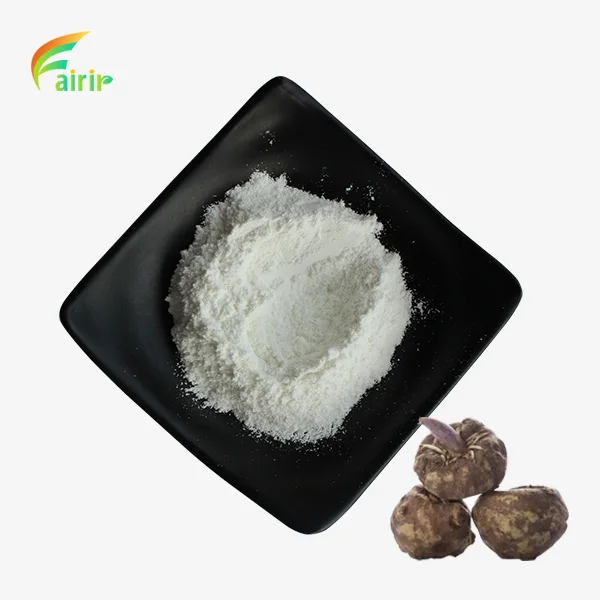
The outside of a taro root is brown, and the inside is white with small violet spots. Most commercial taro powder on the market has food colouring added to it to make it look purple, which goes against the idea of clean-label preparation. Ube Powder, on the other hand, naturally has a bright purple colour. This difference is very important for companies that market their goods as having "no artificial colours added". Authentic Ube Powder gets rid of the need for extra colourants, which cuts down on your list of ingredients and the work you have to do to make sure they are safe.
The Science Behind Ube Powder's Color Performance
The color stability of ube powder depends on its anthocyanin content, processing conditions, and storage environment. In terms of technology, good Ube Powder is marked by:
- A particle-size range of 60–120 mesh may support the desired texture and dispersion characteristics, depending on the application.
- Maintaining a suitably low moisture content may help reduce caking, while microbial stability and color retention depend on additional product and storage factors.
- Anthocyanin retention varies with the raw material and drying conditions. Any quantitative retention claim should be supported by product-specific analytical data.

One important scientific detail that buying professionals should know is that anthocyanin pigments change colour depending on the pH level. Anthocyanin pigments are sensitive to pH, and their color may vary depending on the formulation and surrounding matrix. When formulating ube powder for beverages and other food products, the formulation's pH should be considered to achieve the desired color. This is a formulation variable that can be evaluated through application testing and appropriate technical support.
Advantages of Using Ube Powder as a Natural Colorant
The international market for natural food colors was valued at around USD 1.9 billion in 2022 and is projected to expand at a compound annual growth rate of 7.1% up to 2030. Demand for natural food coloring ingredients is influenced by consumer preferences, product positioning, and manufacturers' formulation goals. That's where this tremendous trend meets industrial usefulness: Ube Powder.
- Multifunctional Ingredient Profile: Ube Powder offers color, flavor, nutritional fiber, resistant starch and minerals like manganese and potassium in one. This decreases the overall quantity of functional ingredients that have to be employed in a recipe.
- Gluten-Free Status and Allergen Considerations: Purple yam is naturally gluten-free. However, the finished product's gluten status and potential allergen cross-contact risks should be assessed through appropriate supplier documentation and manufacturing controls.
- Versatility of application: The uses of purple yam powder are several. Ube powder can be used in smoothies, lattes, baked goods, ice cream bases, frostings, mashed dishes, and selected savory recipes such as gnocchi and yam soup.
- Shelf life stability: Properly processed and packaged ube powder may have a shelf life of 24 months or longer if supported by product-specific stability data under the recommended storage conditions.

Procurement Insights: How to Source Quality Ube Powder
It takes more than just getting the cheapest unit price to find purple yam powder that you can trust. The following quality signs should help you judge a supplier:
Key Quality Metrics to Verify
Key quality parameters may include color appearance, anthocyanin content where relevant, moisture content, particle-size distribution, heavy metals, and microbiological specifications. Acceptance criteria should be defined according to the product specification and destination-market requirements. For each batch, ask for a full Certificate of Analysis. Buyers should request a batch-specific Certificate of Analysis (COA) and relevant supporting test reports. The analytical methods used should be appropriate for the product specifications and intended applications.
Certifications That Protect Your Brand
Buyers should verify the applicable GMP requirements and review the scope and validity of any relevant certification. Organic certification may be relevant for brands targeting certified organic markets. Buyers should assess certification requirements, sourcing costs, and commercial objectives before making a decision. Make sure that your supplier's certifications are up-to-date and can be used for auditing, not just for looks.
Bulk Sourcing Strategy
Import lead times for ube powder vary depending on the country of origin, order quantity, transportation method, customs clearance, and destination. This depends on the size of the order and the route the goods takes. Maintaining an appropriate safety stock based on demand forecasts, lead-time variability, and shelf-life requirements may help reduce supply disruptions. Annual supply agreements with scheduled deliveries and clearly defined pricing terms may help improve cost predictability.

Why B2B Buyers Choose Fairir for Ube Powder Supply
Our company, Shaanxi Fairir Biotech Co., Ltd., has a 10,000-square-meter GMP-certified factory in Xi'an, Shaanxi Province. The facility is equipped with 14 stainless steel extraction tanks, with capacities ranging from 500 L to 3,000 L, and three fully automated production lines. Each batch is subject to the quality control procedures specified for the product. Relevant analytical results and supporting documentation can be provided according to the applicable testing plan.
When purchasing managers look at Ube Powder providers, they look at how consistent they are and how easy it is to track their products. Our extraction and drying processes are selected according to product requirements. Anthocyanin retention and batch-to-batch color consistency should be evaluated using appropriate analytical and quality control methods.
Customized particle-size specifications and private-label services may be available, subject to technical feasibility and order requirements.
Implementation Guide: Best Practices for Using Ube Powder in Manufacturing
A preliminary inclusion rate may be evaluated during baking trials. The appropriate level depends on the formulation, desired color intensity, flavor profile, and processing conditions. To improve dispersion, ube powder may be pre-blended with compatible dry ingredients or gradually mixed into a suitable liquid under controlled conditions. Particle size should be optimized for the intended confectionery application and validated through processing trials.
One of the most typical issues that arises during the processing of objects is that the colors fade when they are baked. The effect of pH adjustment, including the use of citric acid, should be evaluated in the actual formulation because changes in acidity may affect both color and product characteristics. This enables the violet color of the final product to remain more vibrant.
Conclusion
Ube powder may help food manufacturers develop products with a distinctive purple appearance and flavor profile, subject to formulation requirements and applicable regulations. Ube powder contains naturally occurring pigments and may be used in a variety of food applications, depending on its composition and processing characteristics. Its suitability for research and commercial applications should be assessed according to the intended use, technical requirements, and regulatory conditions. If procurement professionals want to deal with certified sellers, ensure that each batch is consistent, and obtain clear technical assistance, they may use Ube Powder, which is a natural substance that is dependable and can be used by them.
FAQ
Can ube powder fully replace artificial purple colorants in commercial formulations?
Ube powder may be suitable for selected food applications where a naturally derived purple ingredient is desired. Its color performance and regulatory suitability should be evaluated for each intended use. Because the pigment is pH-sensitive, formulators may need to make small changes to the recipe to keep the target colour when processing in certain ways. These can be handled with professional help from the provider.
What certifications should a reliable ube powder supplier hold?
Buyers should verify the scope and validity of applicable quality certifications and review the supplier's product specifications and batch-level quality documentation. For regulated markets, organic certification, ISO 22000, and FSSC 22000 add more peace of mind. Always ask for up-to-date Certificates of Analysis that include HPLC results.
How does ube powder's shelf life compare to fresh yam or liquid extract?
The shelf life of ube powder should be established through product-specific stability testing under defined packaging and storage conditions. Fresh yam, powdered yam, and liquid extracts have different storage requirements and shelf lives, which should be determined according to the specific product and packaging. For industrial transport, powder form is clearly the winner.
Is ube powder gluten-free?
Of course, purple yam doesn't have gluten in it. When buying products for lines of allergy-friendly goods, purchasing teams should still ask suppliers for an allergen management statement to make sure there is no risk of cross-contamination in the production site.
Partner with Fairir — Your Trusted Ube Powder Supplier
Fairir is a reliable Ube Powder supplier for food, supplement, and beauty brands across the United States. Our facility is GMP-certified, and we get 98% of our work done efficiently. Contact our team to discuss pricing, available customization options, minimum order quantities, and technical support for your application. You can email our team at sales@fairirbiotech.com to ask for a sample or talk about your buying needs.
References
1. Harlan, J. (2021). Taro vs. Ube: Understanding the Difference in Commercial Food Applications. Food Technology Magazine.
2. Lao, F., & Giusti, M. M. (2021). Anthocyanin Content and Color Properties of Purple Yam Powders Processed by Different Drying Methods. Journal of Food Science, 86(3), 845–856.
3. Grand View Research. (2023). Natural Food Colors Market Size, Share & Trends Analysis Report, 2023–2030.
4. Yishi Foods. (2022). Real Taro vs. Ube: What's the Difference and Why It Matters in Clean-Label Formulation.
5. U.S. Food and Drug Administration. (2023). Color Additives: FDA's Regulatory Process and Historical Perspectives.
6. Shaanxi Fairir Biotech Co., Ltd. (2024). Company Profile and Product Specifications — Plant Extract Manufacturing.