_1751965378790.webp)

Does Matcha Powder Support Weight Management?
Yes, matcha powder can help you lose weight because it has a special mix of beneficial chemicals. Studies show that the high amount of catechins in matcha powder, especially EGCG (epigallocatechin gallate), and the natural caffeine in it can speed up your metabolism by 8–13% and help your body burn more fat. The L-theanine helps control hunger and eating when you're stressed. Unlike regular green tea, matcha uses the whole ground leaf, which means it has much higher amounts of these chemicals that help you lose weight. Clinical study shows that drinking matcha regularly, along with a healthy diet and regular exercise, can help you lose weight and keep it off. This detailed guide talks about the growing use of matcha powder in health products, focusing on its proven weight loss benefits—an important thing for B2B buyers looking for useful ingredients to keep in mind. As the need for natural and successful weight loss products grows in the food, supplement, and medicinal industries, it is important to understand matcha's specific nutritional profile and bioactive components to make smart buying choices
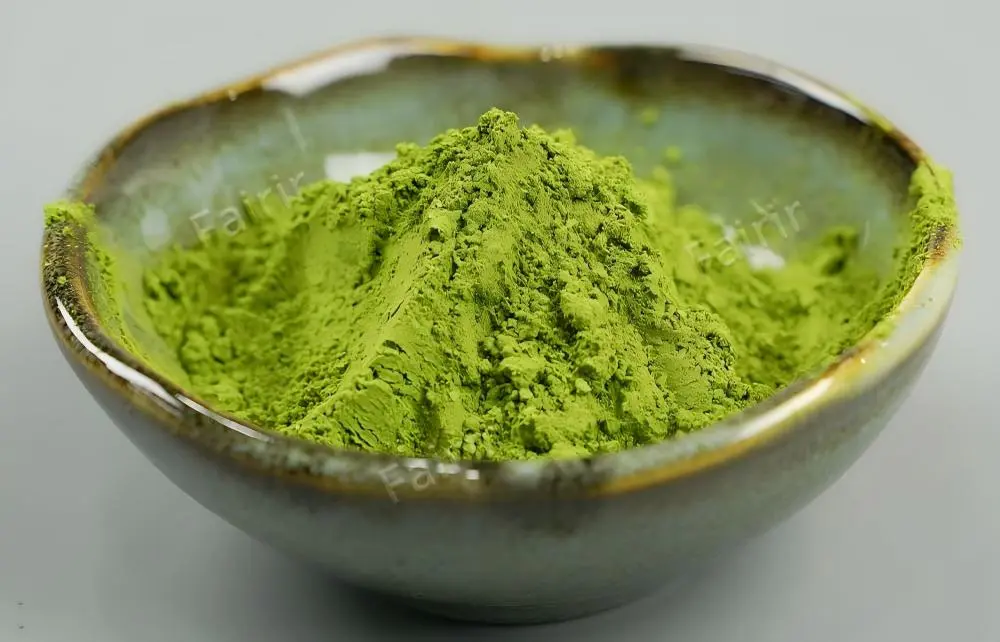
Understanding Matcha Powder and Its Nutritional Benefits
Origins and Production Methods
Matcha powder is made from green tea that has been finely ground from the Camellia sinensis plant. It has roots in Japanese tea culture that go back more than 800 years. Covering tea plants with shade for 20 to 30 days before harvesting greatly raises the chlorophyll content and increases the quantity of amino acids, especially L-theanine. This method of growing in the shade gives quality matcha its unique bright green color and complex taste profile, setting it apart from other green teas.
Quality control has to be paid close attention to throughout the production process. Before being slowly ground in traditional stone mills, fresh leaves from high-quality types like Yabukita are steamed, dried, and the stems and veins are carefully cut out. This process of grinding makes a very fine powder with pieces that are usually between 5 and 20 microns in size. This makes sure that nutrients dissolve and are bioavailable as much as possible.
Nutritional Profile and Bioactive Compounds
Because the whole leaf is used instead of steeping and removing leaves, matcha has a higher percentage of antioxidants than regular green tea. There are high amounts of catechins in the food, with EGCG making up about 50 to 60% of the total catechin makeup. One dose has 25–35 mg of caffeine and 15–20 mg of L-theanine. These two substances work together in a special way to give you long-lasting energy without the jitters.
Minerals like potassium, iron, and calcium are also in the powder. It has important vitamins like vitamin C, vitamin A, and different B-complex vitamins. Growing plants in the shade increases their chlorophyll content, which adds to their protective qualities and helps cells clean themselves out. Together, these chemicals help the metabolism work and keep weight in check through a number of different biochemical processes.
Organic Certification and Quality Standards
Organic matcha is purer and retains more nutrients because it is grown without using manmade fertilizers and pesticides. For organic approval to be granted, there must be close supervision from planting to final packing. This is to make sure that the product stays pure throughout the whole supply chain and that it doesn't get contaminated. This approval is especially important for B2B buying teams that need to find items that meet strict standards for legal compliance.
There are different quality rating methods for ceremonial grade and cooking grade matcha. Ceremonial grade has better color, structure, and nutritional density. To make sure that sellers consistently meet quality standards and legal requirements for their particular uses, procurement professionals should look at third-party approvals, origin openness, and analytical testing paperwork.
How Matcha Powder Supports Weight Management — Scientific Insights
Metabolic Enhancement and Thermogenesis
Researchers have found that matcha can help you lose weight because it has a special mix of beneficial chemicals that work together to make your metabolism work better. The high amount of EGCG and natural caffeine together creates a thermogenic effect that can make you burn 8–13% more calories for several hours after drinking it. The sympathetic nervous system is activated, which speeds up the metabolism. Fat is also burned more quickly.
Several clinical studies have shown that regularly consuming catechin-rich products, like those in matcha, can greatly improve body structure. The chemicals work inside cells to improve the function of mitochondria and speed up the breakdown of stored fat. When paired with modest physical exercise and healthy eating, this process works especially well.
Appetite Regulation and Glucose Control
The L-theanine in matcha is very important for controlling hunger and eating when you're stressed. According to research, this amino acid helps control cortisol levels and makes you feel full without making you sleepy or giving you energy crashes. The mix of caffeine and theanine creates a profile of continuous energy release that helps stop the hunger spikes that happen when blood sugar levels change.
Studies that look at how glucose is used in the body show that drinking matcha regularly can make insulin work better and help muscles take in more glucose. The polyphenolic chemicals help control how carbs are absorbed and keep blood sugar levels healthy, which has a direct effect on how well weight loss works. Because of these effects, matcha is especially useful for making medicines that treat metabolic syndrome and other related diseases.
Clinical Evidence and Case Studies
Multiple peer-reviewed studies and controlled clinical trials have shown that matcha can help people lose weight. A 12-week randomized study with 60 people found that those who took matcha powder lost an average of 2.4 kg more weight than those who took a dummy. They also saw big changes in their waist size and body fat percentage.
Long-term observational studies that look at how people in different groups drink matcha regularly find positive links with maintaining a healthy weight and a lower chance of problems linked to obesity. These results show that matcha-based products can be used in functional food recipes and dietary supplement plans that are meant to help people lose weight in a healthy way.
Comparing Matcha Powder with Alternative Weight Management Ingredients
Matcha versus Standard Green Tea Extracts
When making weight control products, procurement workers need to know the big differences between matcha and regular green tea powders. Both come from Camellia sinensis, but because the whole leaf is used, matcha has about three to five times more catechins and vitamins. The grinding process and growing in the shade make the nutrients more concentrated, which makes them more bioavailable and effective for therapy.
Standard green tea extracts are usually made by extracting them with water or a liquid, which can remove some of the health benefits while increasing others. According to the way matcha is made, all of its naturally occurring nutrients are kept intact. These include chlorophyll, amino acids, and fiber components that help with weight loss. This thorough protection of nutrients leads to better product performance and happier customers.
Also, the flavor profiles are very different. Matcha has a more complex, umami-rich taste that works better in a wider range of recipe situations. Because properly prepared matcha dissolves more easily, the quality of the product stays the same even when it's made in different ways. This makes it a popular choice for high-end functional food uses.
Alternative Plant-Based Weight Management Ingredients
When you look at matcha next to other well-known weight loss ingredients, like spirulina and chlorella, they each have their own benefits that make them better for different uses. Chlorella's unique cell wall structure makes it great for cleansing, while spirulina's high protein and B-vitamin content are among the best. On the other hand, matcha's catechin content and proven ability to speed up the metabolism make it perfect for weight loss.
Garcinia cambogia and green coffee bean products work mainly to reduce hunger and speed up the digestion of carbohydrates, while matcha supports the body in many ways. Matcha's ability to be used in both useful foods and drinks gives it big benefits when it comes to product development and getting people to like new products.
Because matcha can be used for many things and is well-known by consumers, cost-effectiveness analyses often recommend buying it in bulk. The chemical has a well-known safety profile and is approved by regulators in multiple markets. This lowers the risks of creation and speeds up the product development process for B2B clients.
Quality Selection Criteria and Sourcing Considerations
Professional buyers of matcha should judge providers based on a wide range of quality factors, such as how they handle the powder and how they do scientific testing. Premium matcha should stay a bright green color and not turn brown or yellow, which means it was stored and processed correctly. The stability and fluidity of particles have a direct effect on how well a recipe works and how good the final result is.
Different markets have different certification needs, but for business-to-business uses, the bare minimum is organic certification, following Good Manufacturing Practices, and having a third-party test for contamination. It is important for suppliers to give thorough records of analysis that show catechin profiles, heavy metal levels, bacterial safety, and pesticide residue test results.
For quality assurance and tracking, supply chain openness is very important. This is especially true for businesses that work in regulated industries like medicines and clinical nutrition. Building relationships with sellers who work directly with Japanese tea gardens or approved growing facilities guarantees stable quality and lowers the risk of supply disruptions during times of high demand.
Best Practices for Using and Storing Matcha Powder in B2B Applications
Formulation Integration and Processing Guidelines
To effectively add matcha to market products, you need to know about its unique properties and handling needs. Because the powder is sensitive to heat, it is important to keep the temperature under tight control during production. For example, to protect the powder's delicate catechins and keep its color, the best temperature for processing should stay below 80°C. When making drinks, it's best to do it cold or at room temperature and then slowly heat it up if needed.
When making acidic goods, people who make them should think about how naturally alkaline matcha is, because pH levels below 4.0 can damage colors and make antioxidants less effective. For some uses, buffering devices or packaging technologies may be needed to keep the product stable over long periods of time. Other useful ingredients, such as protein shakes, fiber supplements, and natural sweeteners, work really well with the powder.
To keep products from getting contaminated and to keep their purity, manufacturing centers must follow the right handling procedures. Dedicated processing lines or thorough cleaning steps between production runs keep the quality consistent and stop flavors from spreading to other goods. When employees are properly trained on how to handle matcha, mistakes are less likely to happen, and the manufacturing process stays efficient.
Storage and Preservation Strategies
It is important to store matcha in the best way possible so that it keeps its nutritional value and taste during distribution and shelf life. For industrial-scale storage, the temperature must be kept between 0°C and 5°C, and the relative humidity must be below 50% to stop rusting and moisture absorption. Using nitrogen cleaning or vacuum sealing to make airtight packing methods makes products much more stable.
One of the main things that lowers the quality of matcha is being exposed to light, so it needs to be stored in places that keep light out. When stored incorrectly, UV light can lower catechin levels by up to 30% in just six months. Using first-in, first-out rules to rotate goods properly ensures that customers get the best quality products.
To keep products in the best shape, bulk storage options should include systems that check for wetness and desiccant packages. To keep the taste from absorbing or getting messed up, the materials used for packaging must be food-grade and safe for matcha's natural oils. Testing the quality on a regular basis during storage times helps find any patterns of decline so that storage methods can be changed as needed.
Quality Assurance and Supplier Verification
Facility checks, reviews of quality systems, and ongoing performance tracking should all be part of thorough seller approval methods to make sure that products are always delivered on time. Suppliers must show that they have strong quality control systems that test arriving raw materials, keep an eye on workers while they're working, and check final products before they are shipped. As part of the documentation needs, there should be group records, analysis certificates, and information that lets people connect goods to specific growing sources.
Regular evaluations of suppliers help find possible quality problems early on, before they affect production plans or the quality of the product. Metrics for performance should keep track of delivery times, quality stability, legal compliance, and how quickly customer service responds. Strategic buying techniques help keep prices low while building relationships with backup suppliers to ensure a steady flow of goods.
When you work together with reliable providers, you can get more than just what you need. For example, you can get professional support, market information, and help with making new products. Researchers and developers at suppliers who are good at what they do can help you understand new trends and make the best recipes for different uses in the market.
Company Introduction and Our Matcha Solution Offerings
Fairir's Commitment to Premium Matcha Quality
Shaanxi Fairir Biotech Co., Ltd. is a world-renowned leader in the production of plant extracts. They are experts at making high-quality matcha powder for business-to-business markets around the world. Our 10,000-square-meter GMP-certified center uses cutting-edge processing methods that protect matcha's delicate medicinal substances and make sure that all production batches are of the same high quality and strength.
We can make matcha powder using cutting-edge crushing methods that get the right grain size distribution without making too much heat, which could break down nutrients that are sensitive to it. The building has constant countercurrent extraction systems, double-effect concentration systems, and vacuum belt drying systems that keep heat-sensitive chemicals intact while they are being processed. Our lab for quality control has High Performance Liquid Chromatography and UV spectrophotometers that check catechin levels and make sure they meet international quality standards.
The company's dedication to quality goes beyond making products; they also run the whole supply chain, from the certified organic tea fields where the products come from to where they are packed. Our expert team helps clients a lot with recipe creation, making sure that the matcha works best in their unique products while still following all the rules in different foreign markets.
Comprehensive Product Portfolio and Customization Services
Fairir has a lot of different grades of matcha powder that are made for different business-to-business uses. These range from pharmaceutical-grade extracts that need to meet exact strength standards to culinary-grade powders that are best for making food and drinks. For high-end supplement recipes, our ceremonial-grade matcha meets the strictest purity standards. On the other hand, our industrial-grade options are more cost-effective for making a lot of food.
When people use custom formulation services, they can choose the exact catechin amounts, particle size distributions, and packing layouts that work best for their product. Our research and development team works with clients to create custom mixes that include plant extracts that work well together to help people lose weight while still having flavors that appeal to the people we want to sell to.
Flexible packing options can be used with a range of delivery methods, from big totes for mass production to smaller amounts for testing and product development. Our shipping network makes sure that deliveries happen on time and that the cold chain stays intact during travel. Technical paperwork support includes full certificates of analysis, proof of regulatory compliance, and recipe advice that speeds up the product creation process for clients.
Quality Assurance and Regulatory Compliance
Our quality management system goes above and beyond what is expected in the business by using thorough testing methods that make sure products are safe, effective, and in line with international rules. Before it is shipped, every production batch is put through a lot of tests to look for heavy metals, herbicide leftovers, bacterial contaminants, and high levels of active compounds. Some of the testing services we offer are HPLC analysis for catechin profile, determining moisture content, and particle size analysis.
The building has several certifications that make it safe for the pharmaceutical, nutritional, and food industries. These include Good Manufacturing Practice compliance, organic processing approval, and ISO quality control standards. Third-party checks are done on a regular basis to make sure that changing legal standards are still being followed in North America, Europe, and the Asia-Pacific area, among other major foreign markets.
As part of our pledge to openness, we provide thorough paperwork to back up product claims and regulatory reports. Technical support services help clients understand complicated legal requirements and make marketing materials that properly describe the benefits of a product. Monitoring changes to regulations in target markets on a regular basis makes sure that regulations are still followed and lowers the risks for client goods entering new markets.
Conclusion
Research clearly demonstrates that matcha powder provides significant support for weight management through its unique combination of bioactive compounds, particularly EGCG and natural caffeine, that enhance metabolism and fat oxidation. The scientific evidence supporting matcha's efficacy, combined with its versatility in various formulation applications, makes it an invaluable ingredient for companies developing weight management products. Understanding proper sourcing criteria, storage requirements, and formulation best practices enables procurement professionals to maximize the therapeutic potential of this exceptional botanical extract while ensuring consistent product quality and regulatory compliance across diverse market applications.
FAQ
How does matcha compare to regular green tea for weight loss effectiveness?
Matcha demonstrates superior weight management benefits compared to regular green tea due to whole leaf consumption that delivers 3-5 times higher concentrations of catechins and antioxidants. The grinding process preserves all naturally occurring compounds, while traditional green tea steeping extracts only water-soluble components. Clinical studies show that matcha users experience greater metabolic enhancement and more sustained weight loss results than those using conventional green tea extracts.
What is the optimal daily dosage for matcha in weight management formulations?
Research supports effective dosages ranging from 1-3 grams of high-quality matcha powder daily, providing approximately 200-600mg of catechins. This amount delivers therapeutic benefits without exceeding safe caffeine intake levels. Formulation considerations should account for individual tolerance levels and concurrent caffeine consumption from other sources. Gradual introduction, starting with lower doses, helps optimize individual response and minimize potential side effects.
Are there safety considerations when using matcha in consumer products?
Matcha exhibits an excellent safety profile when consumed within recommended dosage ranges. Potential considerations include caffeine sensitivity in susceptible individuals and possible interactions with certain medications. Quality sourcing from reputable suppliers ensures minimal contamination risks. Pregnant and nursing women should limit intake, and products should include appropriate labeling regarding caffeine content and recommended usage guidelines for consumer safety.
How should companies verify matcha quality for bulk procurement?
Quality verification requires comprehensive testing, including catechin profiling through HPLC analysis, heavy metal screening, pesticide residue testing, and microbiological safety assessment. Suppliers should provide certificates of analysis documenting these parameters,s along with origin verification and processing method documentation. Third-party testing provides additional quality assurance, while supplier facility audits verify manufacturing capabilities and quality systems compliance.
What factors affect matcha pricing in B2B markets?
Pricing varies significantly based on grade quality, with ceremonial grades commanding premium prices due to superior processing and limited availability. Organic certification, origin location, and catechin concentration levels influence costs. Order volume, packaging requirements, and delivery terms also impact pricing structures. Long-term supply agreements often provide price stability and preferred customer benefits for consistent large-volume purchasers.
Partner with Fairir for Premium Matcha Powder Solutions
Discover how Fairir's pharmaceutical-grade matcha powder can enhance your weight management product portfolio through our proven expertise in botanical extract manufacturing and quality assurance. Our GMP-certified facility produces consistently high-potency matcha powder that meets stringent regulatory requirements while delivering the therapeutic benefits your customers demand. As a trusted matcha powder supplier, we combine advanced extraction technologies with rigorous quality control to ensure optimal catechin concentrations and product stability.
Contact our technical team at sales@fairirbiotech.com to discuss customized formulations, bulk pricing options, and comprehensive technical support that accelerates your product development timeline. We provide detailed analytical documentation, regulatory compliance assistance, and flexible packaging solutions designed specifically for B2B procurement needs across pharmaceutical, nutraceutical, and functional food industries.
References
1. Hursel, R., & Westerterp-Plantenga, M. S. (2013). Catechin- and caffeine-rich teas for control of body weight in humans. American Journal of Clinical Nutrition, 98(6), 1682S-1693S.
2. Nagao, T., Hase, T., & Tokimitsu, I. (2007). A green tea extract high in catechins reduces body fat and cardiovascular risks in humans. Obesity Research, 15(6), 1473-1483.
3. Thielecke, F., & Boschmann, M. (2009). The potential role of green tea catechins in the prevention of the metabolic syndrome. Phytochemistry Reviews, 8(3), 567-579.
4. Dulloo, A. G., Duret, C., Rohrer, D., Girardier, L., Mensi, N., Fathi, M., ... & Vandermander, J. (1999). Efficacy of a green tea extract rich in catechin polyphenols and caffeine in increasing 24-h energy expenditure and fat oxidation in humans. American Journal of Clinical Nutrition, 70(6), 1040-1045.
5. Venables, M. C., Hulston, C. J., Cox, H. R., & Jeukendrup, A. E. (2008). Green tea extract ingestion, fat oxidation, and glucose tolerance in healthy humans. American Journal of Clinical Nutrition, 87(3), 778-784.
6. Wang, H., Wen, Y., Du, Y., Yan, X., Guo, H., Rycroft, J. A., ... & Mela, D. J. (2010). Effects of catechin-enriched green tea on body composition. Obesity, 18(4), 773-779.