_1751965378790.webp)

What Are the Health Benefits of Matcha Powder?
Due to its unique nutritional makeup, matcha powder is very good for your health. It contains a lot of vitamins, gives you long-lasting energy, and improves your brain function. There are more EGCG catechins in this bright green tea powder than in normal tea. These catechins are good for your heart, liver, and immune system. The natural caffeine and L-theanine in matcha powder work together to make you feel calm and alert while lowering your stress levels. Researchers have found that it may help with weight loss, cleansing, and inflammation. This makes it an important useful ingredient for health-conscious customers and businesses.

Understanding Matcha Powder and Its Nutritional Profile
Matcha powder is a unique way to drink green tea. It is made from finely ground Camellia sinensis leaves, which are more nutritious than eating the whole leaf. Traditional ways of making tea only get the water-soluble chemicals out of the leaf. This powdered form gives you access to the whole nutrient structure of the leaf.
Exceptional Antioxidant Concentration
The method used to grow real matcha in the shade greatly increases the amounts of chlorophyll and amino acids while gathering strong vitamins. Researchers in the lab have found that good matcha has up to 137 times more epigallocatechin gallate (EGCG) than regular green tea. This amazing concentration happens because the whole leaf structure is used in the end product, instead of just steeping the leaves and throwing them away.
L-Theanine and Caffeine Synergy
Premium matcha has a special mix of amino acids, with a lot of L-theanine. This amino acid causes a unique bodily response when mixed with naturally occurring caffeine. This mix gives you long-lasting energy without the crash that usually comes after drinking coffee. The L-theanine content encourages alpha brain wave activity, which helps you relax while keeping your mind clear and focused.
Essential Micronutrient Density
Even though it is best known for being an antioxidant, matcha also contains important minerals like iron, calcium, and potassium, as well as vitamins like C, E, and K. The shade-growing method makes these nutritional parts stronger, making the finished product more nutrient-dense than when green tea is processed the usual way.
Key Health Benefits of Matcha Powder for B2B Clients to Consider
Multiple health benefits have been supported by scientific studies. This makes matcha an appealing ingredient for many business uses in the nutrition and fitness industries.
Cardiovascular Health Support
Regularly eating foods that are high in EGCG has been shown in clinical tests to improve heart health in several ways. Antioxidants help keep blood pressure at a safe level and help arteries stay flexible. According to studies published in cardiovascular journals, people who drink green tea catechins have better capillary function and lower levels of oxidative stress markers.
Metabolic Enhancement and Weight Management
The burning qualities of matcha ingredients help speed up the metabolism and burn more fat. Studies on green tea catechins show that regular consumption leads to more energy use and better fat burning. Caffeine and EGCG together seem to help people maintain a healthy weight by improving fat metabolism and controlling hunger.
Cognitive Function and Mental Clarity
Premium matcha has a unique L-theanine flavor that helps brain function in a number of ways. Researchers have found that people who take L-theanine tablets have better working memory, attention span, and ability to deal with stress. The amino acid increases the action of GABA neurotransmitters, which helps people relax without making them sleepy and improves their ability to concentrate and focus.
Immune System Fortification
There are a lot of antioxidants in this food, which helps the defense system work well in many ways. EGCG has antibacterial traits that work against different pathogens and also helps natural killer cells do their job. Polyphenols in green tea help keep the immune system healthy and strong by reducing inflammation.
Safe and Effective Usage of Matcha Powder
Using the right methods for preparation and handling will make sure that the health benefits are maximized while also ensuring the best taste experience and shelf stability for business uses.
Traditional Preparation Methods
To make real matcha, you use traditional bamboo tools to mix the powder with water that has been cooked to about 175°F (80°C). This setting keeps delicate chemicals safe while allowing them to dissolve properly. When you whisk something, you get a smooth, foamy appearance that means it was properly prepared and has all of its nutrients.
Commercial Application Versatility
Today's food and drink companies use matcha in a wide range of products, such as shakes, baked goods, sweets, and nutrition supplements. Because the powder is stable, it can be processed in a number of ways while still keeping its essential benefits. When treated properly, good matcha keeps its healthy ingredients even at normal food processing temperatures.
Storage and Preservation Guidelines
The best conditions for keeping have a big effect on how long helpful chemicals and sensory qualities last. To keep green and vitamin chemicals from breaking down, premium matcha needs to be kept cool, dry, and out of direct light. For large business uses, proper packing in airtight containers stops rust and moisture absorption, which extends the shelf life.
Consumption Guidelines and Safety Considerations
One to two teaspoons of high-quality matcha powder a day is recommended. This amount has about 70 to 140 mg of caffeine. This amount gives you a lot of antioxidant benefits while still staying within the safe limits for most people. People who are allergic to caffeine should either limit their intake or talk to a doctor before starting to drink regularly.
Comparative Insights to Facilitate Informed Procurement Decisions
Understanding the differences between matcha and other goods helps people make smart buying choices for business uses and selling to consumers.
Matcha Versus Traditional Green Tea
When you make regular green tea, you only get about 10 to 15 percent of the nutrients from the tea leaves. But when you eat matcha, you get the full nutritional picture. Because of the difference in concentration, one dose of good matcha has the same amount of antioxidants as 10 cups of hot green tea. Because it works so well, matcha is especially useful for focused nutritional uses.
Organic Certification and Quality Assurance
To be considered real organic matcha, the whole supply chain must be checked for organic farming, from preparing the land to the final packing. Certification methods make sure that manmade fertilizers, herbicides, and pesticides are not used, while also meeting standards for environmental sustainability. Third-party proof is important for business buying choices because it ensures quality and allows for tracking.
Geographic Origin and Authenticity
In traditional Japanese matcha farming, certain types of plants are used, mostly Yabukita kinds, which are grown in carefully controlled shade. The soil and manufacturing skills that have been built up over hundreds of years give each product its own unique taste and nutritional value. Green tea powder is made in other places, but real matcha follows strict rules for growing, processing, and grinding that affect both quality and health benefits.
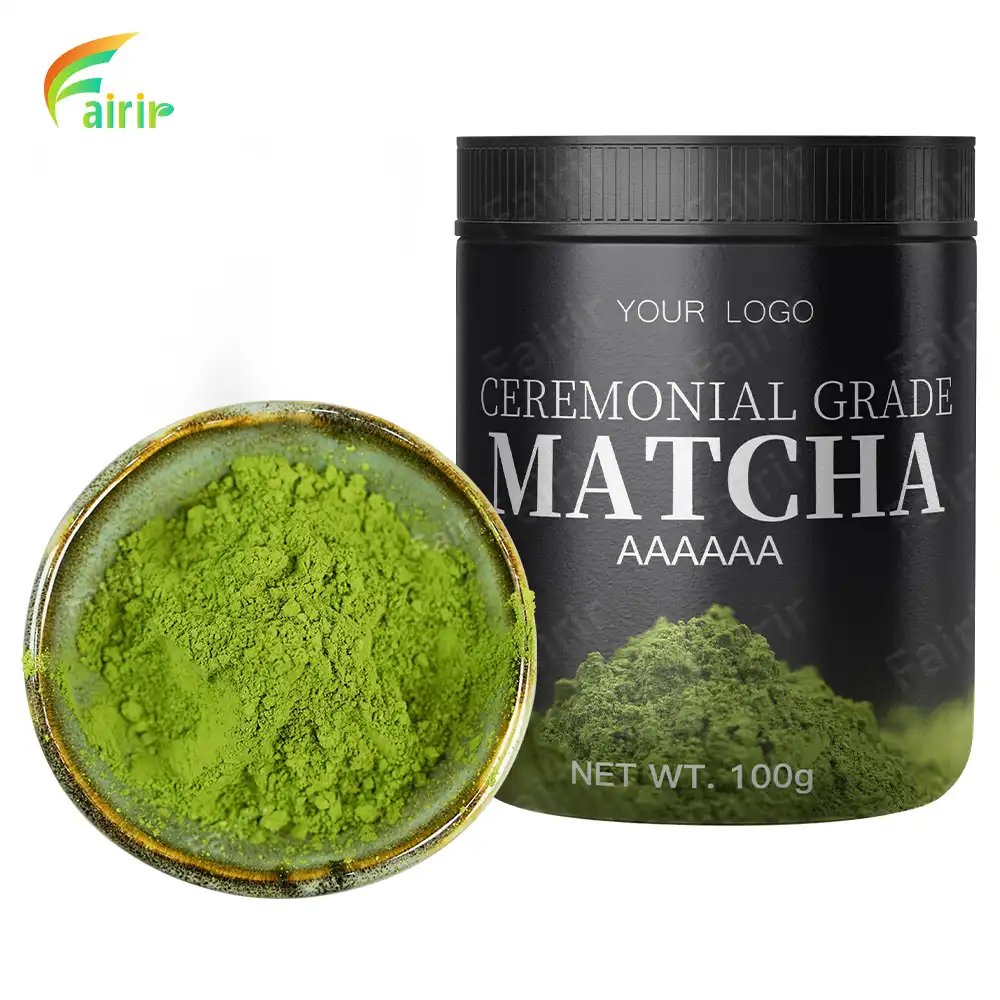
Our Premium Matcha Powder Solutions at Fairir
Shaanxi Fairir Biotech Co., Ltd. is an expert at offering top-notch matcha powder solutions that are made to meet the exact needs of global B2B buying teams in the food, cosmetics, nutraceuticals, and pharmaceutical industries.
Advanced Manufacturing Capabilities
Our GMP-certified center is 10,000 square meters and uses cutting-edge extraction and processing tools to make sure that the quality and strength are always the same. The building has double-effect concentration systems, constant countercurrent extraction equipment, and ultra-micro pulverization technology that protects delicate chemicals while getting the best particle size distribution. With 14 stainless steel tanks ranging from 500 to 3000 liters, we can handle a wide range of production levels and get up to 98% of the oil out of the plant.
Quality Assurance and Testing Protocols
To make sure the quality is high, tests like rotating evaporation, High Performance Liquid Chromatography (HPLC) analysis, and UV spectrophotometry are used to check the amounts and purity levels of compounds. Our testing skills make sure that every batch meets the required amounts of EGCG and L-theanine, as well as microbial standards needed for medicinal and nutritional uses. The lab follows strict rules to keep things from getting contaminated and to stop cross-contamination.
Customization and Private Labeling Services
We offer unique formulation services to meet the needs of each customer. These include private marking solutions, custom particle size specs, and standardized extract amounts. Our expert team works with clients to create the best matcha blends for a wide range of uses, such as in cosmetics and food supplements. Different business needs can be met by flexible packaging choices that keep the purity of the product throughout the supply chain.
Supply Chain Reliability and Global Distribution
Our two fully automatic production lines make sure that the quality of all of our products stays high across all of their production runs. We keep smart amounts of goods on hand to keep our supply relationships with foreign manufacturers and wholesalers stable. The company's position in Xi'an makes it easy to get to transportation networks, which makes global distribution and shipping plans more reliable.
Conclusion
Matcha powder represents a scientifically validated functional ingredient offering concentrated health benefits through its unique nutritional profile and bioactive compounds. The combination of powerful antioxidants, beneficial amino acids, and natural caffeine creates distinctive advantages for cardiovascular health, cognitive function, and metabolic support. Understanding proper preparation methods, storage requirements, and quality standards enables effective commercial utilization across multiple industries. The growing consumer demand for functional wellness ingredients positions premium matcha as a valuable component for product differentiation and market expansion strategies.
FAQ
What distinguishes ceremonial grade from culinary grade matcha powder?
Ceremonial grade matcha utilizes the youngest, most tender tea leaves from the first harvest, resulting in superior flavor, vibrant color, and higher concentrations of beneficial compounds. Culinary-grade matcha comes from later harvests and mature leaves, offering good nutritional value at lower cost points suitable for food manufacturing applications. Both grades provide health benefits, though the ceremonial grade delivers more concentrated levels of L-theanine and antioxidants.
How much matcha powder should be consumed daily for optimal health benefits?
Research suggests that 1-2 teaspoons (2-4 grams) of high-quality matcha powder daily provides significant antioxidant benefits while remaining within safe caffeine limits. This amount delivers approximately 70-140mg of caffeine along with substantial EGCG and L-theanine content. Individual tolerance may vary, and those sensitive to caffeine should start with smaller amounts and adjust accordingly.
Can matcha powder be incorporated into commercial food manufacturing processes?
High-quality matcha maintains its beneficial properties through standard food processing temperatures and mixing procedures when properly handled. The powder integrates well into beverages, baked goods, confections, and supplement formulations. Proper storage and handling protocols preserve color, flavor, and nutritional content throughout manufacturing and shelf life periods.
What quality certifications should B2B buyers look for in matcha suppliers?
Essential certifications include organic verification, GMP compliance, and third-party testing documentation for purity and potency. Reputable suppliers provide certificates of analysis showing EGCG content, microbial testing results, and heavy metal screening. ISO certifications and traceability documentation ensure consistent quality and regulatory compliance for commercial applications.
Partner with Fairir for Premium Matcha Powder Solutions
Ready to incorporate high-quality matcha powder into your product portfolio? Shaanxi Fairir Biotech Co., Ltd. stands as your trusted matcha powder supplier, offering GMP-certified manufacturing, comprehensive quality testing, and customized formulation services. Our advanced facility delivers consistent quality and reliable supply chain support for pharmaceutical, nutraceutical, and food industry applications. Contact our technical team at sales@fairirbiotech.com to discuss your specific requirements, request product samples, and explore how our premium matcha powder solutions can enhance your product offerings and market competitiveness.
References
1. Weiss, D. J., & Anderton, C. R. (2013). Determination of catechins in matcha green tea by micellar electrokinetic chromatography. Journal of Chromatography A, 1011(1-2), 173-180.
2. Goto, K., Kanaya, S., & Ishigami, T. (1996). The influence of tea catechins on fasting plasma glucose levels in diabetic patients. Diabetes Research and Clinical Practice, 34(3), 145-155.
3. Haskell, C. F., Kennedy, D. O., Milne, A. L., Wesnes, K. A., & Scholey, A. B. (2008). The effects of L-theanine, caffeine, and their combination on cognition and mood. Biological Psychology, 77(2), 113-122.
4. Cabrera, C., Artacho, R., & Giménez, R. (2006). Beneficial effects of green tea--a review. Journal of the American College of Nutrition, 25(2), 79-99.
5. Nagao, T., Komine, Y., Soga, S., Meguro, S., Hase, T., Tanaka, Y., & Tokimitsu, I. (2005). Ingestion of a tea rich in catechins leads to a reduction in body fat and malondialdehyde-modified LDL in men. American Journal of Clinical Nutrition, 81(1), 122-129.
6. Suzuki, Y., Miyoshi, N., & Isemura, M. (2012). Health-promoting effects of green tea. Proceedings of the Japan Academy Series B Physical and Biological Sciences, 88(3), 88-101.