_1751965378790.webp)

How does Caffeic acid powder support food preservation?
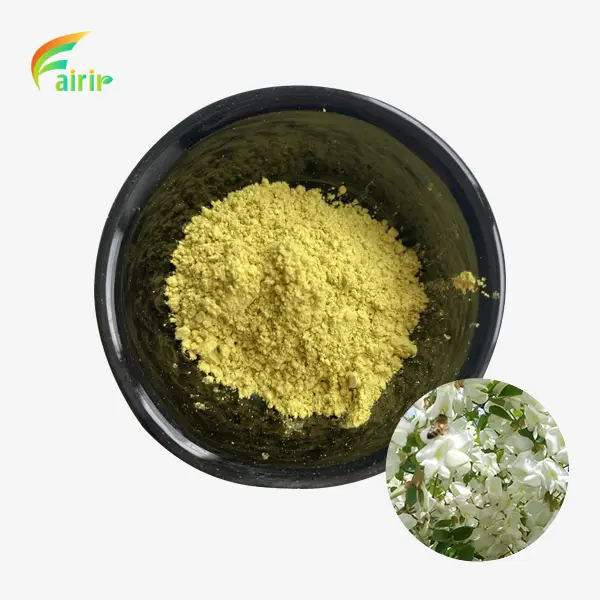
Caffeic acid powder, a powerful antioxidant compound naturally found in coffee, fruits, and medicinal herbs, has gained significant attention in the food industry for its remarkable food preservation properties. This versatile yellow powder, with a CAS number of 331-39-5 and 99% HPLC-verified purity, offers scientifically proven benefits that extend beyond its antioxidant capabilities. As food manufacturers seek natural alternatives to synthetic preservatives, caffeic acid powder has emerged as a promising solution. Its ability to inhibit lipid oxidation, combat foodborne pathogens, and extend the shelf life of fresh produce makes it an invaluable tool in the fight against food spoilage and waste. In this blog, we will explore the various mechanisms through which caffeic acid powder supports food preservation, its applications across different food categories, and the potential it holds for revolutionizing the food industry's approach to maintaining product freshness and safety.

Antioxidant Properties of Caffeic Acid Powder in Preventing Lipid Oxidation
Mechanism of Action
Caffeic acid powder exhibits potent antioxidant properties that play a crucial role in preventing lipid oxidation in food products. The compound's molecular structure, featuring hydroxyl groups on an aromatic ring, allows it to effectively scavenge free radicals and neutralize reactive oxygen species. When incorporated into food matrices, caffeic acid powder acts as a primary antioxidant, donating hydrogen atoms to interrupt the chain reaction of lipid peroxidation. This mechanism is particularly beneficial in preserving the quality and extending the shelf life of lipid-rich foods such as oils, nuts, and meat products. By inhibiting the formation of harmful oxidation byproducts, caffeic acid powder helps maintain the nutritional value, flavor, and overall sensory attributes of food items throughout their storage period.
Synergistic Effects with Other Antioxidants
One of the remarkable aspects of caffeic acid powder is its ability to work synergistically with other natural antioxidants present in food systems. When combined with compounds such as vitamin C, vitamin E, or other phenolic acids, caffeic acid powder can enhance the overall antioxidant capacity of the food product. This synergistic effect allows for more comprehensive protection against oxidative stress and can lead to improved preservation outcomes. Food manufacturers can leverage this property by strategically incorporating caffeic acid powder into antioxidant blends or formulations, optimizing the protective effects while potentially reducing the total amount of additives required. The versatility of caffeic acid powder in such applications makes it an attractive option for clean label initiatives and natural food preservation strategies.
Application in Different Food Categories
The antioxidant properties of caffeic acid powder make it suitable for use in a wide range of food categories. In the dairy industry, it can be utilized to prevent the oxidation of milk fat, thereby extending the shelf life of milk and dairy products. In the meat and poultry sector, caffeic acid powder can be applied as a natural preservative to inhibit lipid oxidation in processed meats, helping to maintain color stability and prevent the development of rancid flavors. For bakery and snack food applications, the incorporation of caffeic acid powder into packaging materials or directly into the product formulation can help protect against oxidative degradation during storage. The versatility of caffeic acid powder extends to beverages as well, where it can be used to preserve the freshness and nutritional quality of fruit juices and functional drinks.
Antimicrobial Effects of Caffeic Acid Powder Against Foodborne Pathogens
Broad-Spectrum Antimicrobial Activity
Caffeic acid powder demonstrates significant antimicrobial properties against a wide range of foodborne pathogens, making it an invaluable tool in food safety and preservation. Research has shown that caffeic acid powder exhibits inhibitory effects against both gram-positive and gram-negative bacteria, including common culprits of food spoilage and foodborne illnesses such as Escherichia coli, Salmonella typhimurium, Listeria monocytogenes, and Staphylococcus aureus. The mechanism of action involves disrupting the bacterial cell membrane, interfering with cellular metabolism, and inhibiting essential enzymes required for microbial growth and survival. This broad-spectrum activity makes caffeic acid powder particularly useful in multi-hurdle preservation strategies, where it can be combined with other natural antimicrobials or preservation techniques to enhance overall food safety and extend shelf life.
Minimum Inhibitory Concentration (MIC) Studies
To optimize the use of caffeic acid powder as an antimicrobial agent in food preservation, numerous studies have been conducted to determine its minimum inhibitory concentration (MIC) against various pathogens. These studies provide valuable insights into the effective dosage required to achieve significant antimicrobial activity while maintaining the sensory qualities of the food product. For example, research has shown that caffeic acid powder exhibits MIC values ranging from 0.5 to 2.5 mg/mL against common foodborne pathogens, depending on the specific bacterial strain and food matrix. Understanding these MIC values allows food manufacturers to develop targeted preservation strategies, ensuring that the caffeic acid powder is used efficiently and effectively in their products. Additionally, these studies help in assessing the potential for developing antimicrobial resistance and in determining the optimal concentration for different food applications.
Potential for Natural Food Preservative Systems
The antimicrobial properties of caffeic acid powder open up exciting possibilities for developing natural food preservative systems. As consumers increasingly demand clean label products with fewer synthetic additives, caffeic acid powder presents a promising alternative to traditional chemical preservatives. Its natural origin and proven efficacy make it an attractive option for food manufacturers looking to meet consumer preferences while maintaining product safety and quality. Caffeic acid powder can be incorporated into various food preservation systems, such as edible coatings for fresh produce, antimicrobial packaging materials, or as a direct additive in processed foods. Furthermore, its compatibility with other natural preservatives allows for the creation of synergistic blends that can provide comprehensive protection against a wide spectrum of microbial contaminants, potentially reducing the overall preservative load in food products.
Application of Caffeic Acid Powder in Extending Shelf Life of Fresh Produce
Post-Harvest Treatment Techniques
Caffeic acid powder has shown remarkable potential in post-harvest treatment techniques for extending the shelf life of fresh produce. One effective application method involves the use of caffeic acid powder in dipping solutions or sprays. Fresh fruits and vegetables can be treated with a dilute solution of caffeic acid powder immediately after harvesting, creating a protective barrier against oxidation and microbial growth. This treatment not only helps to maintain the visual appeal of the produce but also preserves its nutritional value. Another innovative approach is the incorporation of caffeic acid powder into edible coatings. These coatings, often made from natural polymers like chitosan or alginate, can be fortified with caffeic acid powder to create a functional barrier that regulates moisture loss, gas exchange, and microbial contamination. By optimizing the concentration and application method of caffeic acid powder, post-harvest losses can be significantly reduced, leading to improved food security and reduced waste in the supply chain.
Impact on Physiological Processes
The application of caffeic acid powder in fresh produce preservation goes beyond its antioxidant and antimicrobial properties. Research has shown that caffeic acid powder can positively influence various physiological processes in fruits and vegetables during storage. For instance, it has been observed to delay ripening in climacteric fruits by modulating ethylene production and sensitivity. This effect can be particularly beneficial in extending the shelf life of fruits like bananas, tomatoes, and avocados. Additionally, caffeic acid powder has been found to inhibit enzymatic browning in cut fruits and vegetables by interfering with polyphenol oxidase activity. This property is especially valuable in maintaining the visual quality of pre-cut or minimally processed produce. Furthermore, studies have indicated that caffeic acid powder can help preserve the firmness and texture of fruits by slowing down the degradation of cell wall components. By influencing these physiological processes, caffeic acid powder contributes to maintaining the overall quality and marketability of fresh produce throughout the supply chain.
Case Studies and Success Stories
Several case studies and success stories highlight the effectiveness of caffeic acid powder in extending the shelf life of fresh produce. In one study focusing on strawberries, a post-harvest treatment with caffeic acid powder was found to extend the fruit's shelf life by up to 5 days compared to untreated controls. The treated strawberries maintained higher levels of antioxidants, showed reduced microbial growth, and preserved their sensory qualities for a longer period. Another successful application was observed in the preservation of fresh-cut lettuce, where caffeic acid powder incorporated into an edible coating significantly reduced browning and maintained the crisp texture of the leaves for an extended period. In the citrus industry, caffeic acid powder has been used as part of a natural preservative blend to control post-harvest diseases and extend the storage life of oranges and lemons. These success stories demonstrate the versatility and efficacy of caffeic acid powder across different types of produce, showcasing its potential to revolutionize fresh produce preservation in the food industry.
Conclusion
Caffeic acid powder has emerged as a powerful ally in food preservation, offering a natural and effective solution to extend shelf life and maintain food quality. Its multifaceted approach, combining antioxidant properties, antimicrobial effects, and physiological benefits, makes it an invaluable tool for the food industry. As consumers increasingly demand clean label products, caffeic acid powder presents an opportunity for manufacturers to meet these expectations while ensuring food safety and quality. The versatility of this compound across various food categories and its potential for synergistic applications with other natural preservatives highlight its significance in shaping the future of food preservation strategies.
At Shaanxi Fairir Biotech Co., Ltd. we are committed to providing high-quality caffeic acid powder and other plant extracts to meet the evolving needs of the food industry. Our state-of-the-art manufacturing facility and rigorous quality control processes ensure that our products meet the highest standards of purity and efficacy. We invite you to explore the potential of caffeic acid powder in your food preservation applications and experience the benefits it can bring to your products. For more information or to discuss your specific needs, please Contact Us at sales@fairirbiotech.com. Let us partner with you in revolutionizing food preservation through innovative, natural solutions.
FAQ
Q: What is caffeic acid powder, and where does it come from?
A: Caffeic acid powder is a natural antioxidant compound found in coffee, fruits, and medicinal herbs. It is extracted and purified to create a yellow powder with a 99% purity level.
Q: How does caffeic acid powder prevent food spoilage?
A: Caffeic acid powder prevents food spoilage through its antioxidant properties, which inhibit lipid oxidation, and its antimicrobial effects against foodborne pathogens.
Q: Can caffeic acid powder be used in organic food products?
A: Yes, caffeic acid powder can be used in organic food products as it is a natural compound and can be sourced from organic materials.
Q: What types of foods can benefit from caffeic acid powder preservation?
A: Caffeic acid powder can benefit a wide range of foods, including dairy products, meats, baked goods, snacks, beverages, and fresh produce.
Q: Is caffeic acid powder safe for consumption?
A: Caffeic acid powder is generally recognized as safe when used in appropriate quantities. It has been extensively studied and is naturally present in many foods we consume daily.
References
1. Zhang, L., & Wang, H. (2017). The antimicrobial activity of caffeic acid against foodborne pathogens and its mechanism of action. Journal of Food Protection, 80(3), 447-454.
2. Gülçin, İ. (2006). Antioxidant activity of caffeic acid (3,4-dihydroxycinnamic acid). Toxicology, 217(2-3), 213-220.
3. Kono, Y., Shibata, H., Kodama, Y., & Sawa, Y. (1995). The suppression of the N-nitrosating reaction by chlorogenic acid. Biochemical Journal, 312(3), 947-953.
4. Sánchez-Maldonado, A. F., Schieber, A., & Gänzle, M. G. (2011). Structure–function relationships of the antibacterial activity of phenolic acids and their metabolism by lactic acid bacteria. Journal of Applied Microbiology, 111(5), 1176-1184.
5. Kraśniewska, K., & Gniewosz, M. (2012). Substances with antibacterial activity in edible films – a review. Polish Journal of Food and Nutrition Sciences, 62(4), 199-206.
6. Bakowska-Barczak, A. (2005). Acylated anthocyanins as stable, natural food colorants – a review. Polish Journal of Food and Nutrition Sciences, 14(2), 107-116.