_1751965378790.webp)

Matcha Powder for Skincare: What Are the Cosmetic Benefits?
In current skincare items, Matcha Powder has become a powerful element. Its unique molecular makeup makes it very beneficial. It can help with many skin problems at once because it is made of many vitamins, chemicals that reduce inflammation, and nutrients that keep the skin healthy. The special ways that Matcha Powder is grown and processed keep the bioactive catechins and polyphenols at medicinal levels, which is different from other plant products. This makes it a better choice for makeup companies that want products that have been scientifically proven to work and are liked by customers.
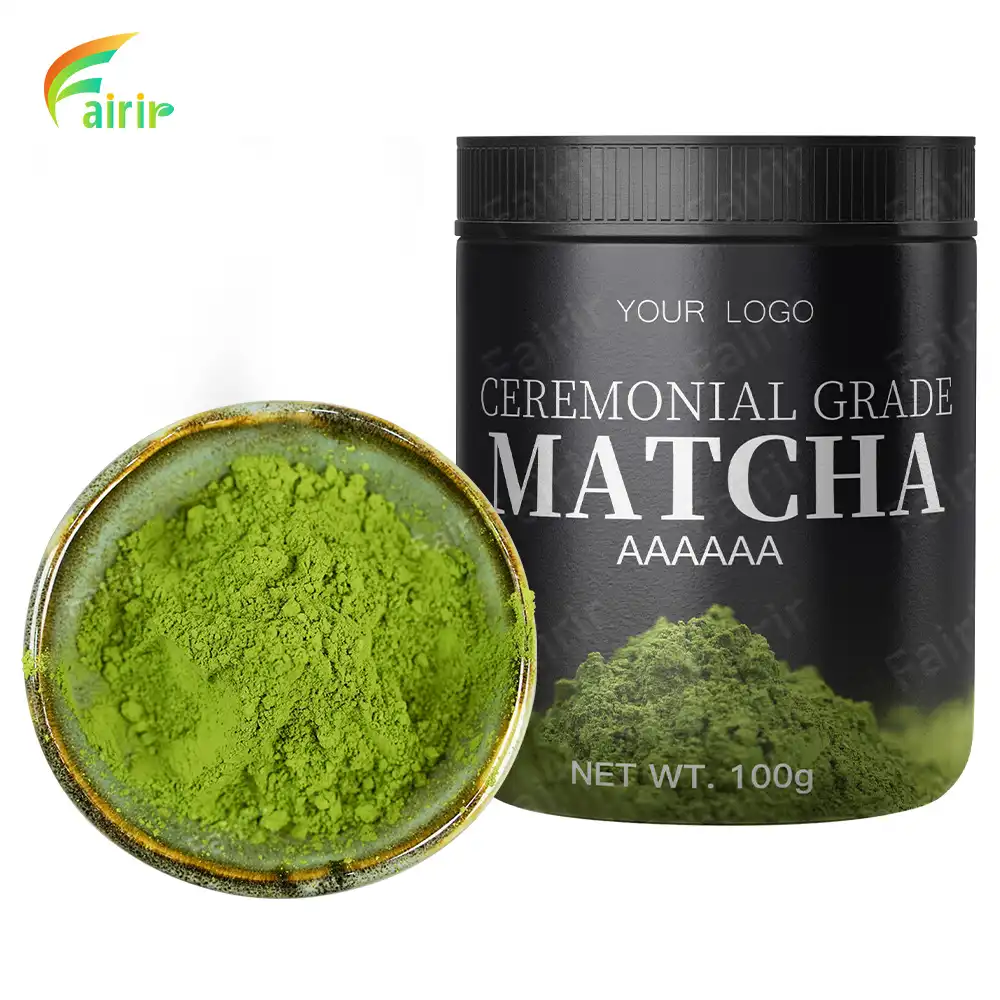
What Is Matcha Powder and Why Is It Valued in Skincare?
Keep in mind that Matcha Powder is more than just a new thing used in makeup these days. This fine powder is made from Camellia sinensis leaves that were grown in the shade using a unique farming method that changes the phytochemical makeup of the plant in a fundamental way. More chlorophyll and amino acids, especially L-theanine, are made during the filtering process, which usually takes 20 to 30 days before harvest. This is what gives Matcha Powder its unique taste.
Compositional Superiority Over Standard Green Tea Extracts
Different steps are used to make cosmetic-grade Matcha Powder and normal green tea powder. Low temperatures used in traditional stone milling keep heat-sensitive chemicals whole that would break down in other methods. Particles that are made with care are 5 to 15 microns across. This makes them easy to mix with makeup bases and makes sure that all recipes get the same amount of active ingredients.
Key Bioactive Compounds for Skin Health
The chemicals that make up Matcha Powder show why people put it at the top of their list. At least 5% of the powder is made up of catechins. The main antioxidant in the powder is epigallocatechin gallate (EGCG). Chlorophyll, vitamins A, C, and E, as well as important minerals, are all found in Matcha Powder. They are also good for your health. With a single raw material, this full nutrition matrix meets many skincare goals. This makes recipes easier to understand and makes the product work better.
Quality Indicators for Cosmetic Applications
If you want to buy something for business, you need to know about some quality factors. The wetness level of high-quality cosmetic-grade Matcha Powder stays well below 4% so that it doesn't get germs or break down naturally while being stored. Using CIELAB color space research to measure the unique emerald green color shows that molecules are still whole and antioxidants are still working. These quality factors have a direct link to how well the product works and how long it is good for.
The Cosmetic Benefits of Matcha Powder: Scientific Insights and Practical Effects
A scientific study has shown that Matcha Powder is good for your face, so don't believe what the ads say. These steps can help formulators and buying teams choose the right ingredients and decide where to put their goods in the market.
Antioxidant Protection Against Premature Aging
It is thought that the catechins in Matcha Powder, especially EGCG, help protect the body from oxidative stress, which is caused by harmful agents in the environment. Cutting down on free radicals keeps cell structures from getting hurt, which can cause fine lines, wrinkles, and a loss of flexibility. It has been shown in the lab that Matcha Powder products lower reactive markers in skin cells. This supports the idea that they can slow down the aging process. If you regularly use products with the right amount of standardized Matcha Powder extract, you may notice changes in how your skin feels and looks.
Anti-Inflammatory Properties for Sensitive Skin
Researchers have found that the polyphenolic chemicals in Matcha Powder can lower inflammation. This makes it a good choice for products that want to help skin defenses that are weak or inflammatory. Inflammatory cytokines are lowered by Matcha Powder ingredients. This helps with face diseases like acne and rosacea that cause redness, itching, and pain. A growing number of people want skin care products that are soft but effective. Matcha Powder is a great ingredient for these products because it heals and soothes.
Sebum Regulation and Detoxification
Matcha Powder is a strong cleanser that helps keep the skin from making too much sebum without making it too dry. There are tannins in the plant that stick to toxins and help the body get rid of them. In the same way, chlorophyll helps the body get rid of toxins. Matcha Powder is great for cleansers, masks, and products for oily or mixed skin because it does these three things. The makers of this item like that it can be used for two different things; it helps with both short-term health problems and long-term skin health.
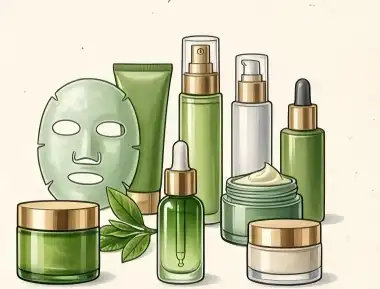
Evidence-Based Versus Marketing Claims
People who buy things for a living can tell the difference between marketing claims that sound too good to be true and benefits that are backed up by science. Matcha Powder has a lot of proof that it can help with antioxidants, inflammation, and controlling oil production. However, claims that it can greatly smooth skin or help with weight loss when applied to the skin need more study. Responsible companies try to get results that are reasonable and can be measured. These results are backed up by studies that test for stability and effectiveness. Customers will believe them more, and they will be sure to follow the rules set by the government.
How to Use Matcha Powder in Skincare Products: Formulation and Application Guide
When making a product, it's important to know about the different kinds of Matcha Powder, how to make it fit better, and how to make it more stable. This advice fixes some of the most common issues that people who make makeup have with their recipes.
Selecting Appropriate Matcha Grades
Matcha Powder that is used in ceremonies is the best for food, but it isn't always needed in makeup. Matcha Powder that is marked as cosmetic-grade or culinary-grade has the same amount of medicinal substances but costs less when it comes to mass production. When a business wants to market its products as natural or clean beauty items, organic approval can help. But regular Matcha Powder that meets safety standards will also do the trick. It comes down to cost, where the product is placed, and what the target market wants.
Common Product Formats and Formulation Approaches
Matcha Powder is good for a lot of different kinds of makeup. Masks for the face often have Matcha Powder amounts of 1% to 3%. They look good and make you feel better right away. Serums and creams need particular ways to be dissolved so that they stay in solution and don't sink to the bottom. You might need binding agents for water-based recipes to stay the same over the life of the product. Anhydrous products, such as creams or oil-based treatments, are harder to mix because they need lipophilic techniques to make them work best.
Technical Considerations for Stability and Efficacy
The hardest part of making recipes with Matcha Powder is still keeping the vitamins safe. Light, heat, and air can all break down the catechins, making the health benefits less strong. The people who make the formula should think About using dark or UV-protective packaging, adding extra protectors like tocopherols, and testing how well the product works over time. Most of the time, doses between 0.5 and 5% work best, but it depends on the product and the effects that are sought. Higher amounts are only used in rinse-off items that don't color as easily.
How to Source High-Quality Matcha Powder for Skincare Manufacturing: A B2B Procurement Guide
Buying decisions have a big impact on the quality of the goods, how well they follow the rules, and how regularly they are made. When you buy strategically, you need to choose a seller based on more than just price.
Essential Certifications and Quality Credentials
Providers who can show a lot of paperwork that they have quality management systems in place should be given more weight by cosmetic companies. If your plant is GMP-approved, you can be sure that the rules you follow will keep your goods clean and the same from batch to batch. Getting organic certification from a well-known group shows that the growing methods don't use chemical or manmade fertilizers. Getting ISO approval shows that the ways you check for quality are organized. High Performance Liquid Chromatography (HPLC), UV spectrophotometers, and spinning evaporators are some of the research tools that Shaanxi Fairir Biotech Co., Ltd. keeps in its GMP-certified labs. We can be sure that quality is checked carefully at every step of the way this way.
Supplier Evaluation Criteria
Buying teams should look at more than just licenses. They should also see how well the product can be extracted, how it is checked, and how clear the supply chain is. Suppliers who have up-to-date extraction tools can give you consistent extracts with known Matcha Powder catechin amounts. This gets rid of the difference that makes the final result work less well. There are 14 stainless steel extraction tanks in our building. Their sizes range from 500 to 3000 liters. These tanks can handle both small-batch precise production for R&D and large-scale business sales. The best compounds are extracted 98% of the time on three fully automatic production lines. This keeps costs low while still getting the most useful compounds back.
Pricing Structures and Long-Term Partnership Value
The way different companies price bulk items depends on how well they know their customers, how quickly they can fill orders, and what standard amounts they offer. Japan's Matcha Powder costs more because it is grown in a way that has been used for a long time. But choices that are cheaper and still work well can be found from foreign sources that use the same analysis standards. When you work with the same sources for a long time, you can usually get big savings, first picks when the harvest changes, and help making new products together. Trustworthy partners are different from transactional sellers because they are open and honest about things like needs, wait times, and legal paperwork.
Supply Chain Reliability and Batch Consistency
People who plan to make makeup need to know when the raw materials will be ready. Production stops happen less often when suppliers have a lot of different ways to get things, keep enough on hand, and can quickly fix transportation problems. With Certificates of Analysis that show important things like catechin content, moisture levels, and bacteria numbers, you can be sure that each batch will be the same. These always make sure that the finished products do what they say on the label. We can give fast shipping times that work with just-in-time production models because we are dedicated to quality control and smart inventory management. We do this without lowering the quality of the materials we use.
Why Choose Matcha Powder Over Other Natural Ingredients in Skincare?
For natural ingredients, there are many plants to choose from. But Matcha Powder is becoming more famous because it has benefits that other plants don't have.
Comparative Antioxidant Performance
Matcha Powder has higher ORAC (Oxygen Radical Absorbance Capacity) numbers than other choices like regular green tea extract, algae, or coffee extracts. This means it is better at getting rid of free radicals. When plants grow in the shade, they make more catechins than would be found in regular green tea. In other words, the tea has more strong antioxidants per unit weight. Because it works better, less of it needs to be used in formulas. This could help cover the higher cost of raw materials by improving dose-response relationships.
Formulation Versatility and Consumer Appeal
Because Matcha Powder is made up of small bits that dissolve in water, it can be added to a lot of different goods without having to make big changes to the base recipes. The target audience, especially millennials and Gen Zers who like natural goods with heritage roots, is drawn to the well-known brand name and culture links to health. If Matcha Powder is the main ingredient in a product, it has a better chance of sticking out in the market and being seen as high-end. This helps shops charge more for those products.
Market Trends and Innovation Opportunities
Organic food brands, like Matcha Powder, will have more chances to make money as more people look for plant-based items that are good for the environment. A new study that looks at Matcha Powder's ability to protect against UV rays, help the body make collagen, and be good for microbiomes says that it could be used to make new things in the future. When makers use an item early on, it puts them at the top of their categories, and it stays interesting until the market is full.
Conclusion
Consumers enjoy using Matcha Powder because it has been scientifically proven to be effective. In addition to making skin look better, it can help makeup brands make their lines stand out. Its many good chemicals protect against free radicals, lower redness, and control sebum production, which all help with a wide range of skin issues. Sources must be solid, formulations stay stable, and buying is done well for execution to go well. As more people choose natural ingredients that have been shown to work, Matcha Powder can be a good ingredient to use because it has both ancient health benefits and current science proof that it works.
FAQ
Is Matcha Powder Safe for All Skin Types?
Any skin type can use cosmetic-grade Matcha Powder as long as they use the right amount. Formulations for sensitive skin should be tried on a small patch of skin while they are being made to make sure they work. Natural tannins have a small drying effect that works well on wet skin. For dry skin, though, they need to be matched with ingredients that keep the skin moist.
What Concentration of Matcha Should Skincare Products Contain?
The form of an object shows how concentrated it is. Keep-on skin care items, like lotions and serums, often contain 0.5 to 2% Matcha Powder to help the face heal without leaving a stain. More than 2% to 5% can be found in masks, cleaners, and other rinse-off products, which makes the bioactives work better during application times.
Are There Specific Certifications Required for Cosmetic-Grade Matcha?
When you buy in bulk, you should give more weight to sellers who can show you Certificates of Analysis that show their products are safe for microbes, heavy metals, and chemical residue. An organic seal of approval can help a product's sales, but it's not strictly needed for cosmetic safety. When a factory is GMP-certified, it has extra safety against contamination and uniform quality, which is important for following the rules in foreign markets.
Partner with Fairir for Premium Matcha Powder Supply
If you want to make makeup, Shaanxi Fairir Biotech Co., Ltd. can help. They make pharmaceutical-grade plant products that meet strict quality standards. The center we work in is 10,000 square meters and is GMP-certified. We use both old-fashioned extraction methods and modern analytical tests to make sure that every batch of Matcha Powder meets the cosmetics industry's standards for purity, strength, and regularity. We have sold Matcha Powder to beauty, nutritional companies for a long time, so we know what the legal and technical requirements are for making a new product work.
Our expert team is here to help you with every step of the buying process, from giving you advice on specs to making unique mixtures. So that you can stick to tight production schedules, we make sure that our communication is clear, our bulk prices are low, and our services are reliable. Just send an email to sales@fairirbiotech.com to talk about your needs, get full product specs, or set up a sample for testing. We would love the chance to show you how our commitment to quality, technical know-how, and customer-focused service model can help you make more money and come up with new health goods more quickly.
References
1. Schneider C, Segre T. Green tea: potential health benefits. American Family Physician, 2009, 79(7): 591-594.
2. Katiyar SK, Elmets CA. Green tea polyphenolic antioxidants and skin photoprotection. International Journal of Oncology, 2001, 18(6): 1307-1313.
3. Hsu S. Green tea and the skin. Journal of the American Academy of Dermatology, 2005, 52(6): 1049-1059.
4. Chiu AE, Chan JL, Kern DG, et al. Double-blinded, placebo-controlled trial of green tea extracts in the clinical and histologic appearance of photoaging skin. Dermatologic Surgery, 2005, 31(7): 855-860.
5. Mahmood T, Akhtar N, Khan BA, et al. Changes in skin mechanical properties due to chronic use of cosmetic emulsions containing green tea extract. Aging Clinical and Experimental Research, 2011, 23(3): 135-138.
6. Pazyar N, Yaghoobi R, Bagherani N, et al. A review of applications of tea tree oil in dermatology. International Journal of Dermatology, 2013, 52(7): 784-790.